European Airlines Cancel Flights Amid Fuel Spike, Airspace Closures

Co-Founder & CEOAviation News Editor delivering trusted coverage across the global aviation industry.
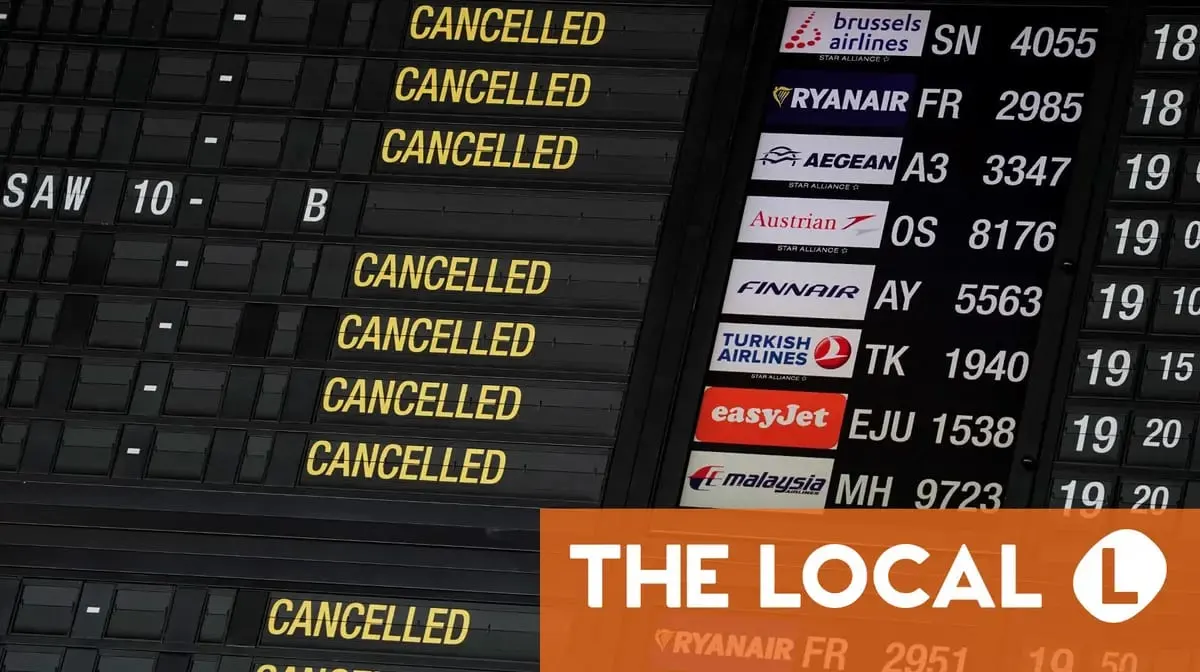
European airlines are canceling hundreds of flights due to Mideast airspace closures and a jet fuel price surge, impacting spring and summer travel.
Key Takeaways
- •Face a 60%+ surge in jet fuel prices, with spot prices exceeding $4.56 per gallon.
- •Cancel hundreds of flights after EASA issued CZIB 2026-03, closing Mideast airspace.
- •Lobby EU regulators to delay the 2030 synthetic sustainable aviation fuel (eSAF) mandate.
- •Anticipate higher airfares and continued disruption as airlines manage increased costs.
European airlines are canceling hundreds of flights this spring, facing a dual shock from widespread Middle East airspace closures and a dramatic surge in jet fuel prices. The disruption follows geopolitical conflict in the region, prompting regulators to issue airspace warnings and sending fuel costs soaring over 60% in under a month. Scandinavian Airlines (SAS) has announced plans to cancel at least 1,000 flights in April 2026 alone, signaling significant operational and financial strain across the sector.
The cancellations are a direct consequence of two compounding factors. First, the European Union Aviation Safety Agency (EASA) issued Conflict Zone Information Bulletin (CZIB) 2026-03, advising operators to avoid all altitudes within high-risk airspace in the Middle East, including the Tehran and Jeddah Flight Information Regions (FIR). This has forced massive rerouting for long-haul flights, increasing flight times and fuel consumption. Second, the conflict triggered a severe spike in global energy markets. According to Airlines for America (A4A) data, the Argus US Jet Fuel Index reached $4.56 per gallon on March 20, 2026, a sharp increase from approximately $2.50 before the conflict began in late February.
Industry Impact
The financial and operational repercussions for European carriers have been immediate and severe. SAS CEO Anko van der Werff described the doubling of jet fuel prices in just 10 days as a "shock that strikes directly at the aviation industry." The rising costs are unsustainable for many carriers, forcing proactive capacity reductions. To illustrate the scale of the cost increase, United Airlines spent $11.4 billion on fuel in 2025 at an average price of $2.44 per gallon, according to its SEC filings. The current prices more than double that core operating expense.
The disruption extends beyond cancellations to widespread airport delays. Frankfurt International Airport recorded an unprecedented 354 flight delays in a single day on March 17, 2026, as cascading operational challenges from rerouting and schedule changes rippled through the European network. Passengers and corporate travel managers are experiencing significant disruption and higher costs, with some summer 2026 airfares to Europe already rising by 20% as carriers pass on the higher fuel expense. Ryanair CEO Michael O'Leary warned that a prolonged conflict would inevitably lead to higher airfares and a bleak outlook for fuel supplies.
Regulatory Pressure and Rerouting
The EASA CZIB forces airlines to plot longer, less efficient routes to Asia and other destinations, bypassing critical airspace. This operational challenge is compounded by regulatory pressure within the EU. The airline lobbying group Airlines for Europe (A4E) is urging the European Commission to postpone the 2030 mandate for Synthetic Sustainable Aviation Fuel (eSAF). easyJet CEO Kenton Jarvis explicitly called for the mandate to be postponed until the fuel is commercially available at scale, arguing the current financial crisis makes the added cost burden untenable, especially compared to non-EU competitors. However, the European Commission has so far rejected calls for a delay. Amid the cancellations, airlines must still adhere to EU Regulation 261/2004, which mandates passenger rights for rerouting, refunds, and care.
Context and Precedent
This situation mirrors the disruption caused by the closure of Ukrainian airspace and the Russian overflight ban in February 2022. That event also resulted in massive rerouting of Europe-Asia flights, significantly increased fuel burn, and the suspension of key routes by European carriers. The 2022 crisis demonstrated how quickly geopolitical events can redraw aviation maps and upend airline operating models. The current crisis, however, is characterized by a more rapid and severe fuel price shock, placing even greater immediate pressure on airline finances. The 2019 drone strikes on Saudi Aramco facilities, which caused a temporary spike in oil prices, also serve as a precedent for how Middle East conflict directly translates to higher airline operating costs.
Technical Analysis
The confluence of a major airspace closure and a rapid, severe jet fuel price shock represents a perfect storm for European airline network planners and financial officers. Unlike previous disruptions, this event combines both a logistical challenge (rerouting) and a severe cost crisis simultaneously. The data suggests that airlines with weak fuel hedging programs or high exposure to long-haul routes requiring passage near the affected FIRs are most vulnerable. This development accelerates the pressure on legacy carrier cost structures and challenges the high-utilization models of low-cost carriers. Historically, similar situations have led to accelerated fleet retirements of older, less fuel-efficient aircraft and a strategic shift toward routes with lower geopolitical risk. The industry's pushback against the eSAF mandate indicates that acute financial pain is forcing a re-evaluation of long-term capital commitments versus short-term survival.
What Comes Next
The immediate future for European air travel remains uncertain and is contingent on geopolitical developments. According to EASA, the current advisory, CZIB 2026-03-R4, is set to expire on March 27, 2026, though it is subject to extension based on security assessments. SAS has confirmed that its peak cancellation period is expected in April 2026. A critical period to watch will be mid-to-late 2026, when the fuel hedges for many European airlines are expected to expire. If spot prices for jet fuel remain elevated, carriers will be fully exposed to the higher costs, likely leading to further capacity cuts or significant fare increases.
Why This Matters
This crisis highlights the extreme vulnerability of the airline industry to geopolitical shocks and volatile energy markets. For passengers, it signals a period of higher costs and reduced network reliability. For the aviation industry, it serves as a severe stress test of financial resilience, forcing carriers to balance immediate operational challenges with long-term strategic goals like fleet renewal and environmental sustainability.
For in-depth airline coverage and commercial aviation news, omniflights.com delivers timely industry insights. Follow aviation sustainability efforts, emissions research, and green initiatives in the Environmental section at omniflights.com/environmental.
Written by Hardik Vishwakarma
Co-Founder & Aviation News Editor leading initiatives that improve trust and visibility across the global aviation industry. Covers airlines, airports, safety, and emerging technology.
Visit ProfileYou Might Also Like
Discover more aviation news based on similar topics

Flydubai Upgrading 21 Boeing 737 MAX 8s to Flat Bed Seats
Flydubai is retrofitting 21 Boeing 737 MAX 8 aircraft with lie-flat business class seats to standardize its premium product by late 2027.
Emirates Winter Booking Momentum Grows Amid Fleet Expansion
Emirates carried 8.6 million passengers this summer and enters winter with strong demand as it accelerates fleet retrofits and network growth.
Air Arabia Consortium Gains AOC for New Dammam Budget Airline
A Saudi GACA-led consortium including Air Arabia has secured an AOC to launch a new budget airline based at Dammam's King Fahd International Airport.
Turkish Airlines Exits Luanda as Angola Hub Struggles
Turkish Airlines dropped its Luanda route as Angola's new airport struggles to attract traffic, handling only 756,028 passengers in 2025.

Red Sea Airlines Leases Two 737 MAX 8s for 2027 Expansion
Red Sea Airlines signed a lease for two Boeing 737 MAX 8 aircraft from SMBC Aviation Capital, arriving in 2027 to support its 14-aircraft fleet goal.
Avelo CEO Warns Airfares May Rise on Jet Fuel Price Spikes
Avelo Airlines CEO Andrew Levy warns that rising fuel costs may force fare increases as global jet fuel prices reach $171.01 per barrel.