Etihad & Qatar Adjust Loyalty Rules Amid Mideast Airspace Closures

Co-Founder & CEOAviation News Editor delivering trusted coverage across the global aviation industry.

Etihad and Qatar Airways relaxed loyalty rules for members impacted by mass flight cancellations during the March 2026 Iran-U.S. conflict.
Key Takeaways
- •Relaxed loyalty program rules for status and cancellations amid mass flight disruptions.
- •Faced severe operational impact, with Qatar Airways canceling over 80% of regional flights on March 18, 2026.
- •Offset costs by imposing heavy fuel surcharges of up to $1,400 on 'free' award tickets.
- •Acted in response to airspace closures mandated by the FAA and EASA over Iran and Iraq.
Major Gulf carriers Etihad Airways and Qatar Airways have adjusted their loyalty program rules in response to widespread flight disruptions caused by the March 2026 Iran-U.S. conflict. The changes to the Etihad Guest and Qatar Airways Privilege Club programs are designed to reduce penalties for frequent flyers unable to travel due to mass cancellations and airspace closures over the Middle East. The crisis led to severe operational challenges, including Qatar Airways canceling more than 80% of its flights departing the region on a single day.
The immediate trigger for the loyalty program adjustments was the unprecedented operational paralysis affecting Gulf hubs. Following the conflict's outbreak, the U.S. FAA (Federal Aviation Administration) and the European Union Aviation Safety Agency (EASA) issued urgent directives and Notices to Air Missions (NOTAMs) restricting civilian air traffic over Iran and Iraq. These restrictions forced carriers to enact mass cancellations and lengthy, costly rerouting of remaining flights.
According to data from Cirium, Qatar Airways canceled over 80% of its Middle East departures on March 18, 2026, while other international carriers like British Airways canceled 65% of their flights from the region on the same day. In an official statement, Qatar Airways Group CEO Badr Mohammed Al-Meer described the situation as "an operational crisis few airlines will ever encounter," noting that at the peak of the disruption, "over 90 Qatar Airways flights carrying more than 20,000 passengers to Doha, were forced to divert immediately."
Impact on Loyalty Members and Operations
In response, both airlines communicated changes to their loyalty members. Etihad's communication acknowledged that "some of our flights have experienced disruption due to recent airspace restrictions." The adjustments primarily focused on implementing flexible airline waiver policies, allowing members to rebook or refund tickets for affected routes without incurring standard cancellation penalties. The carriers also loosened requirements for maintaining elite status levels, recognizing that members would be unable to accumulate the necessary miles or segments due to the grounded flights.
However, the relief for travelers came with a significant new cost. While change fees were waived, airlines began adding massive jet fuel surcharges to award tickets to offset soaring operational expenses. According to a statement from Qantas, which was also affected by the rerouting, airlines saw fuel costs increase by up to 150% over a two-week period. This surge was passed on to loyalty members, with some award tickets now carrying surcharges of up to $1,400, a move that consumer travel advocates argue unfairly burdens loyal customers with the financial fallout of the geopolitical crisis.
Stakeholders across the industry felt the impact. Frequent Flyer Program Members faced a mixed outcome: relief from penalties but hit with exorbitant new surcharges. Gulf hub airports like Doha (DOH) and Abu Dhabi (AUH) experienced severe operational gridlock and significant revenue loss. Meanwhile, aviation fuel suppliers saw a sharp spike in demand and prices due to the longer flight paths required to circumvent the conflict zone.
Context from Historical Precedents
This is not the first time geopolitical events have forced Gulf carriers to adapt. In June 2017, the Qatar Diplomatic Crisis led to a multi-year blockade where Qatar Airways was banned from the airspace of Saudi Arabia, the UAE, Bahrain, and Egypt. This precedent demonstrates the airline's resilience but also the severe financial and operational strain caused by sudden airspace closures, which forced it into costly rerouting over Iran.
Similarly, the downing of Ukraine International Airlines Flight 752 in January 2020 prompted the FAA to ban U.S. carriers from airspace over Iraq and Iran. That event also led to widespread rerouting by regional carriers, highlighting the recurring vulnerability of Middle Eastern hubs to regional instability. The current crisis accelerates the trend of airlines using their loyalty programs as a key tool for customer retention during operational meltdowns.
What Comes Next
With operations still hampered, the industry is looking toward de-escalation. Both the FAA and EASA are expected to review their conflict zone NOTAMs, with the earliest potential lifting of airspace restrictions anticipated in Q2 2026. However, this timeline remains contingent on a sustained reduction in military activity and is subject to change. Until then, airlines will continue to operate on altered schedules with longer routes, and passengers should expect continued flexibility in booking policies, albeit with potentially high surcharges on award travel.
Why This Matters
This development signals a strategic shift in how airlines leverage loyalty programs during geopolitical crises. Beyond simple customer service, these programs are now critical instruments for managing operational chaos and mitigating brand damage. For the aviation industry, it underscores the growing need to build financial and operational resilience against regional conflicts that can instantly cripple major international air corridors.
Access up-to-date commercial aviation news and airline industry developments via omniflights.com. Get the latest updates on major hubs, regional terminals, and airport operations via the Airports section at omniflights.com/airports.
Written by Hardik Vishwakarma
Co-Founder & Aviation News Editor leading initiatives that improve trust and visibility across the global aviation industry. Covers airlines, airports, safety, and emerging technology.
Visit ProfileYou Might Also Like
Discover more aviation news based on similar topics
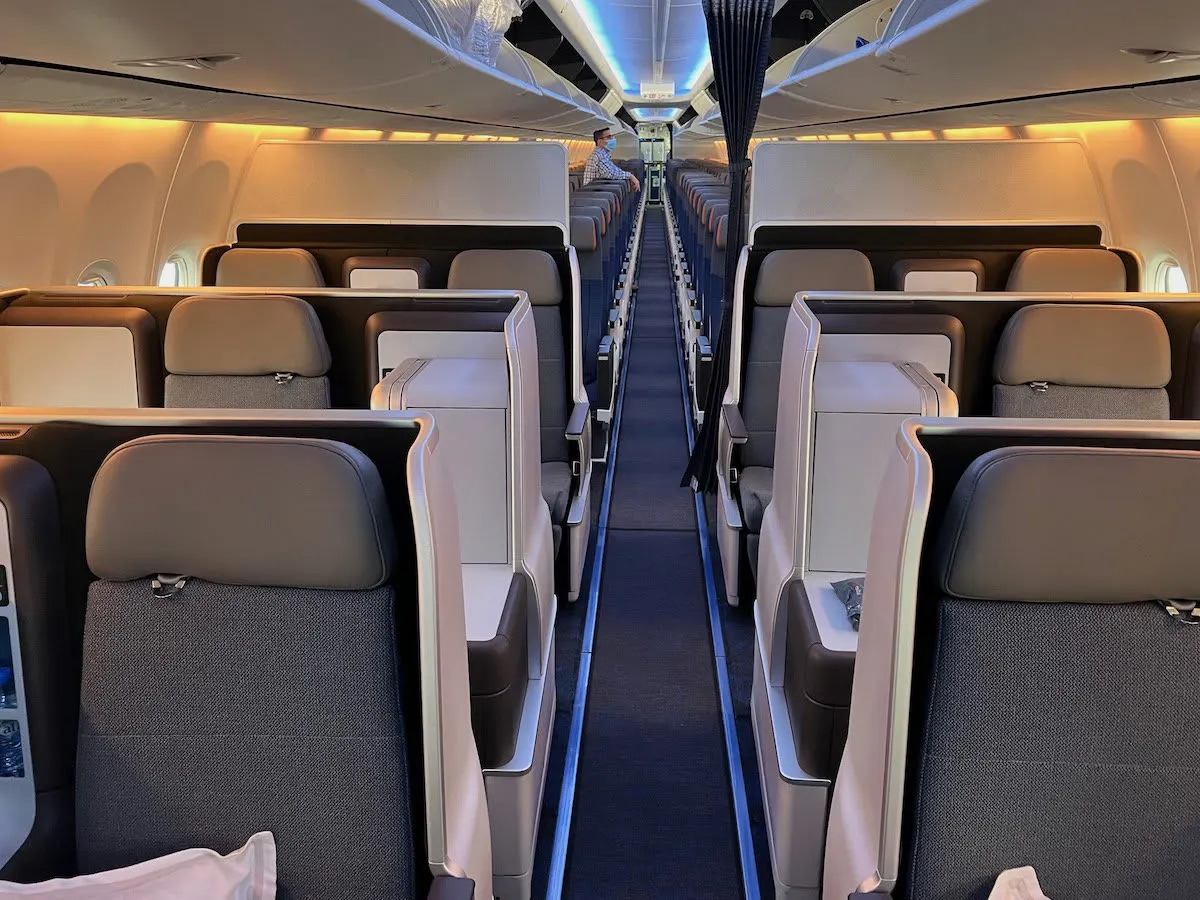
Flydubai Upgrading 21 Boeing 737 MAX 8s to Flat Bed Seats
Flydubai is retrofitting 21 Boeing 737 MAX 8 aircraft with lie-flat business class seats to standardize its premium product by late 2027.
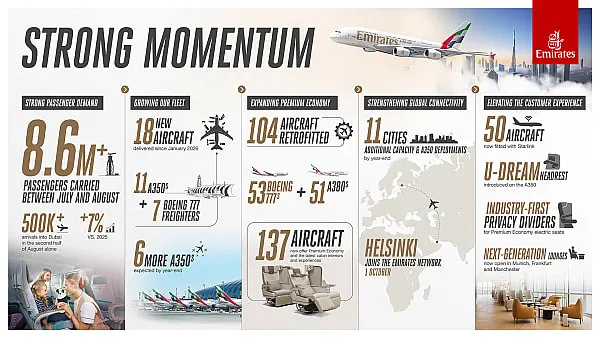
Emirates Winter Booking Momentum Grows Amid Fleet Expansion
Emirates carried 8.6 million passengers this summer and enters winter with strong demand as it accelerates fleet retrofits and network growth.
Air Arabia Consortium Gains AOC for New Dammam Budget Airline
A Saudi GACA-led consortium including Air Arabia has secured an AOC to launch a new budget airline based at Dammam's King Fahd International Airport.
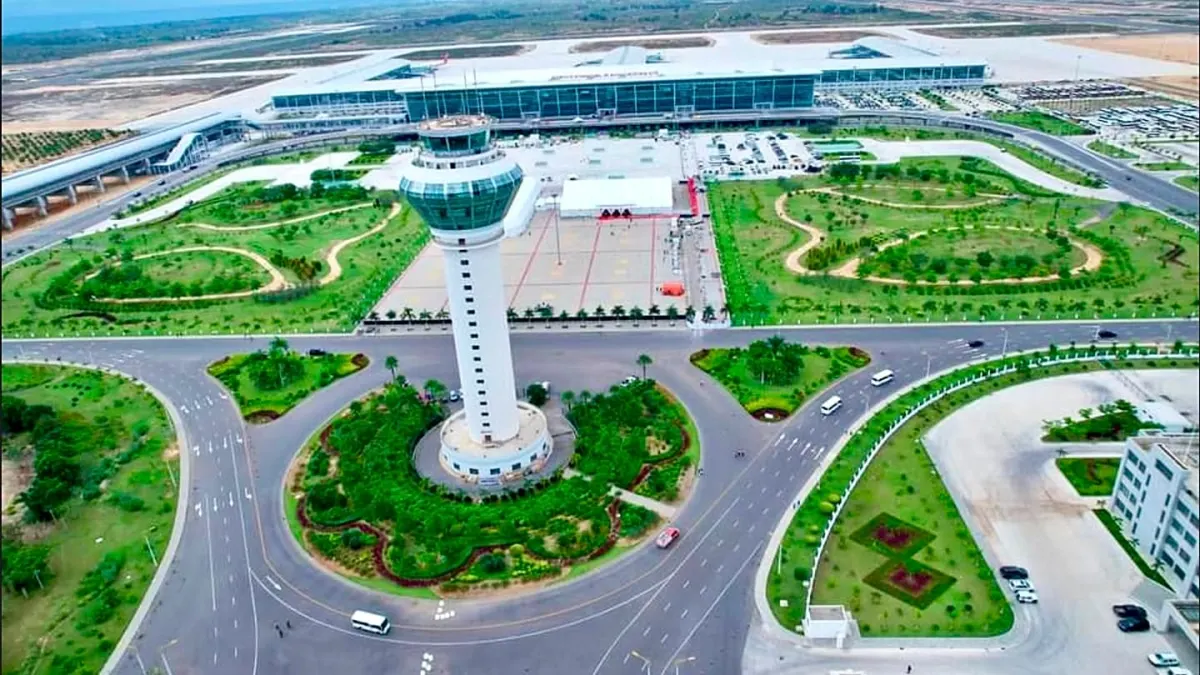
Turkish Airlines Exits Luanda as Angola Hub Struggles
Turkish Airlines dropped its Luanda route as Angola's new airport struggles to attract traffic, handling only 756,028 passengers in 2025.

Red Sea Airlines Leases Two 737 MAX 8s for 2027 Expansion
Red Sea Airlines signed a lease for two Boeing 737 MAX 8 aircraft from SMBC Aviation Capital, arriving in 2027 to support its 14-aircraft fleet goal.
Avelo CEO Warns Airfares May Rise on Jet Fuel Price Spikes
Avelo Airlines CEO Andrew Levy warns that rising fuel costs may force fare increases as global jet fuel prices reach $171.01 per barrel.