Etihad Airways Doubles Abu Dhabi to Kabul Service

Co-Founder & CEOAviation News Editor delivering trusted coverage across the global aviation industry.
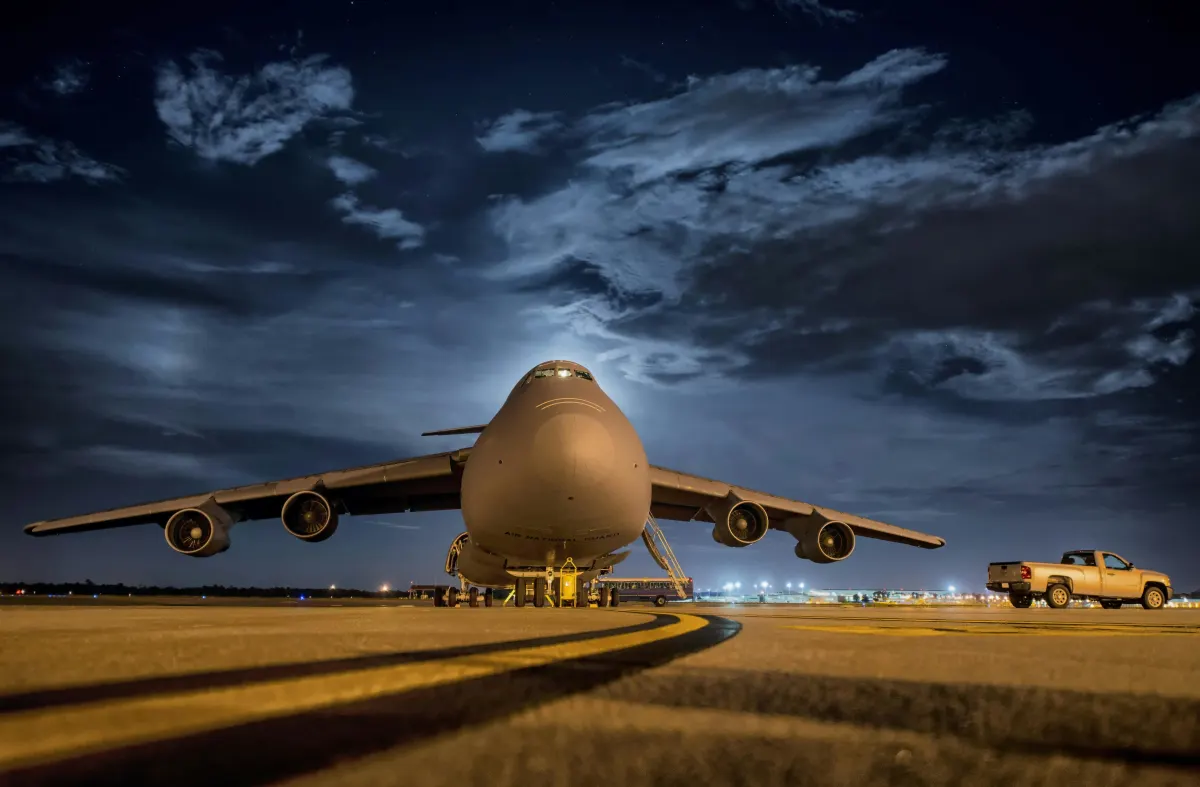
Etihad Airways will increase its Abu Dhabi to Kabul route to twice-daily flights starting July 15, 2026, to meet high demand for connecting travel.
Key Takeaways
- •Etihad Airways increases Kabul route to twice-daily flights from July 15, 2026.
- •Airbus A320 aircraft used on the route feature 158 total seats.
- •Expansion follows strong demand since the route's launch in March 2026.
- •New schedule provides 14 weekly flights between Abu Dhabi and Kabul.
Expanding Connectivity to Kabul
Etihad Airways has announced a significant expansion of its Abu Dhabi to Kabul route, moving to a twice-daily flight frequency effective July 15, 2026. This decision follows strong passenger demand observed since the carrier first launched the service in March 2026 with an initial frequency of four flights per week. The increased capacity is designed to strengthen Aviation network expansion efforts and bolster the airline's role in connecting the Afghan market to its broader global network.
Operational Details and Fleet
The route is serviced by the Airbus A320 aircraft, a narrow-body workhorse well-suited for this corridor. Each aircraft is configured with 158 total seats, featuring 8 seats in Business Class and 150 in Economy Class. By transitioning to 14 weekly flights, Etihad Airways aims to provide greater schedule flexibility for both business travelers and the Afghan diaspora. This operational growth aligns with broader industry trends where Gulf carriers are actively rebuilding hub-and-spoke connectivity to regions that have seen a reduction in direct long-haul services.
Stakeholder Impact and Regional Trends
The expansion provides a critical link for connecting passengers who rely on Zayed International Airport (AUH) as a gateway to destinations in Europe and North America. For travelers, the increased frequency reduces layover times and offers more robust options for transit. According to the UAE General Civil Aviation Authority, which oversees the regulatory compliance of UAE-based carriers, airlines must maintain rigorous safety coordination with the Afghanistan Civil Aviation Authority to manage operations in an airspace environment that has undergone significant changes since 2021.
Technical Analysis: The Gulf-Afghanistan Corridor
The resurgence of air links between the Gulf and Afghanistan follows precedents set by carriers such as Flydubai in 2023 and Turkish Airlines in 2024. These examples demonstrate that network carriers can sustain operations to Kabul by effectively leveraging connecting traffic. The deployment of the Airbus A320 on this route is a strategic choice, balancing capacity with demand volatility. While some international aviation security analysts suggest that operating in Afghan airspace still carries elevated risks due to limited ground-based air traffic control infrastructure, the commercial momentum remains strong. The current trajectory indicates that as long as the demand for transit remains high, the frequency and capacity on this route are likely to remain stable or grow.
What Comes Next: July 15 Milestone
The airline is moving forward with the following key milestones:
- July 15, 2026: Commencement of twice-daily service between Zayed International Airport and Kabul International Airport.
- Ongoing: Continued coordination with the Afghanistan Civil Aviation Authority and the UAE General Civil Aviation Authority to ensure operational security and compliance.
Why This Matters for the Region
This development signals the continued normalization of air travel links to Afghanistan, positioning Abu Dhabi as a primary transit hub for the region. For competitors, the increased frequency by Etihad Airways creates pressure on the UAE-Afghanistan corridor, potentially influencing market yields. For the local aviation ecosystem at Kabul International Airport, the return of major network carriers provides essential connectivity to the global economy, supporting both humanitarian and commercial transit needs.
Frequently Asked Questions
- What aircraft does Etihad Airways use for its Kabul flights?
- Etihad Airways operates its Abu Dhabi to Kabul route using the Airbus A320, which is configured with 158 seats, including 8 in Business Class and 150 in Economy Class.
- When does the twice-daily service to Kabul begin?
- Etihad Airways is scheduled to commence its twice-daily flight service between Abu Dhabi and Kabul on July 15, 2026.
Get breaking commercial aviation news and expert airline analysis at omniflights.com. From aircraft production to supply chains, commercial aviation manufacturing news is covered at omniflights.com/manufacturing.
Written by Hardik Vishwakarma
Co-Founder & Aviation News Editor leading initiatives that improve trust and visibility across the global aviation industry. Covers airlines, airports, safety, and emerging technology.
Visit ProfileYou Might Also Like
Discover more aviation news based on similar topics
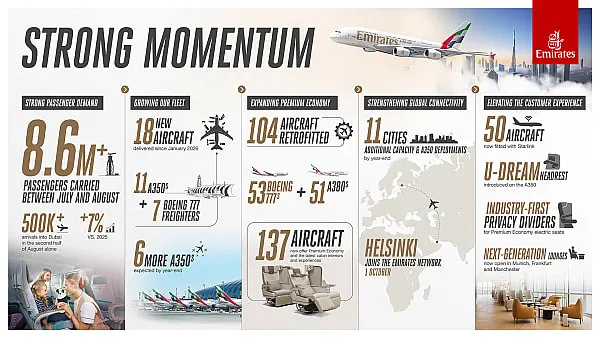
Emirates Winter Booking Momentum Grows Amid Fleet Expansion
Emirates carried 8.6 million passengers this summer and enters winter with strong demand as it accelerates fleet retrofits and network growth.
Air Arabia Consortium Gains AOC for New Dammam Budget Airline
A Saudi GACA-led consortium including Air Arabia has secured an AOC to launch a new budget airline based at Dammam's King Fahd International Airport.
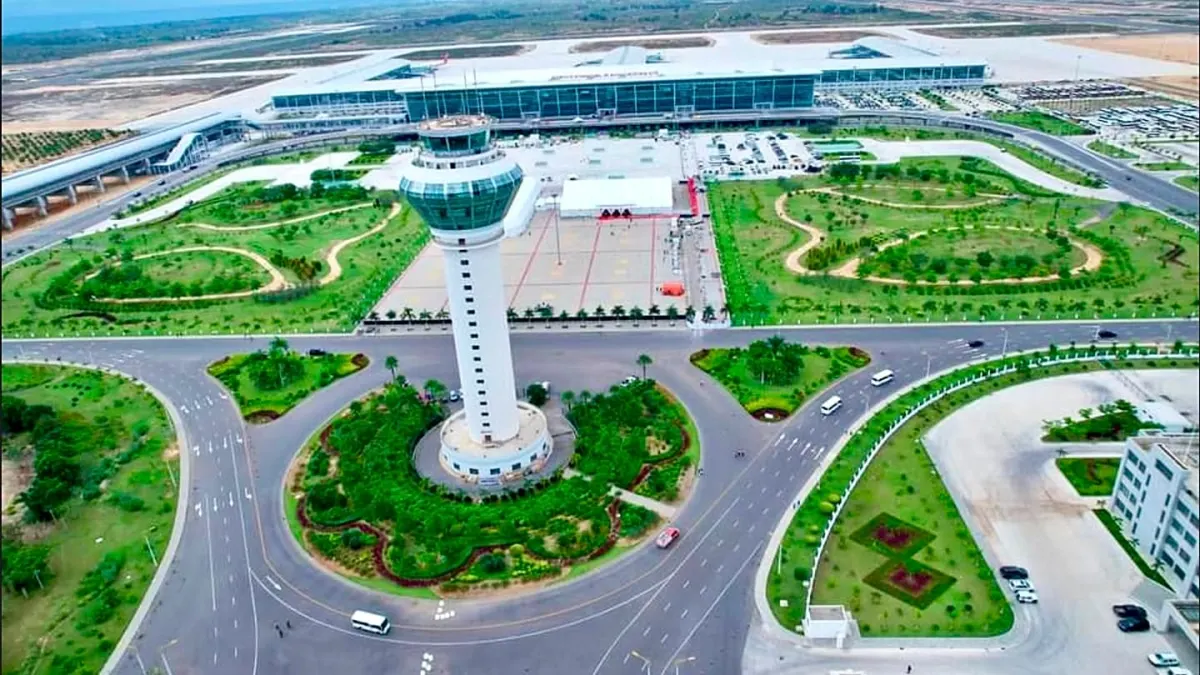
Turkish Airlines Exits Luanda as Angola Hub Struggles
Turkish Airlines dropped its Luanda route as Angola's new airport struggles to attract traffic, handling only 756,028 passengers in 2025.

Red Sea Airlines Leases Two 737 MAX 8s for 2027 Expansion
Red Sea Airlines signed a lease for two Boeing 737 MAX 8 aircraft from SMBC Aviation Capital, arriving in 2027 to support its 14-aircraft fleet goal.
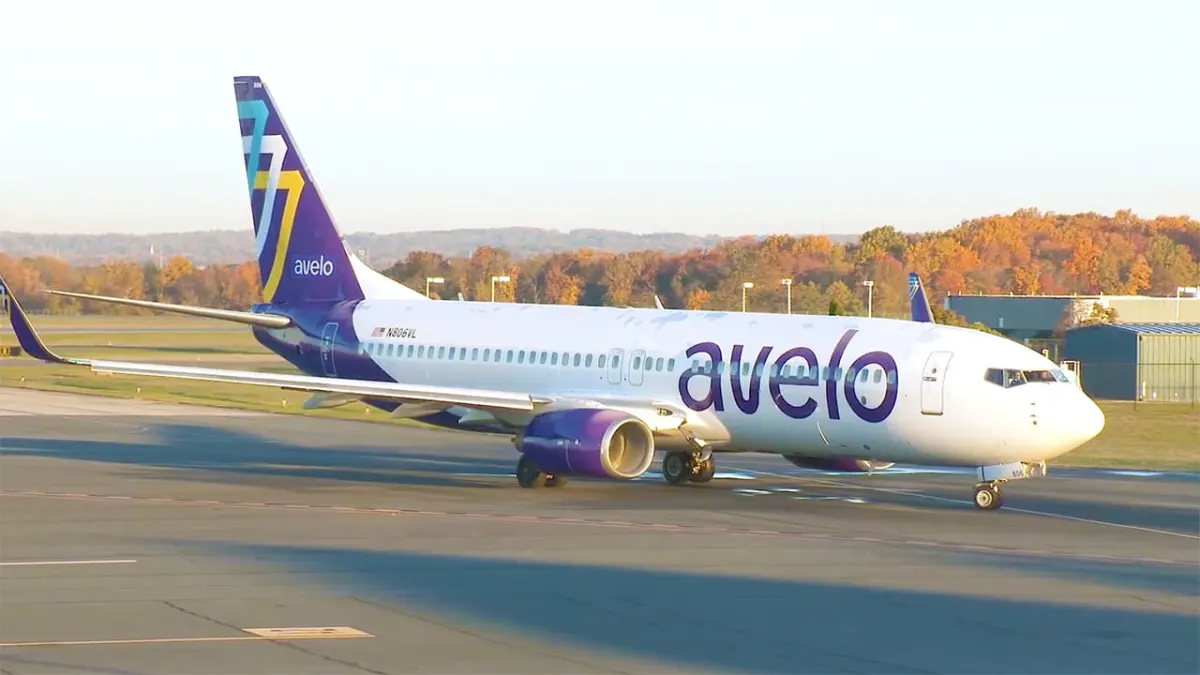
Avelo CEO Warns Airfares May Rise on Jet Fuel Price Spikes
Avelo Airlines CEO Andrew Levy warns that rising fuel costs may force fare increases as global jet fuel prices reach $171.01 per barrel.
IndiGo, Air India Battle for Mumbai-Delhi Route Dominance
IndiGo and the Air India group are competing for dominance on the Mumbai-Delhi air route, which saw 13.9 percent capacity growth this September.