Ethiopian Airlines Nears 10-Plane Boeing Freighter Order

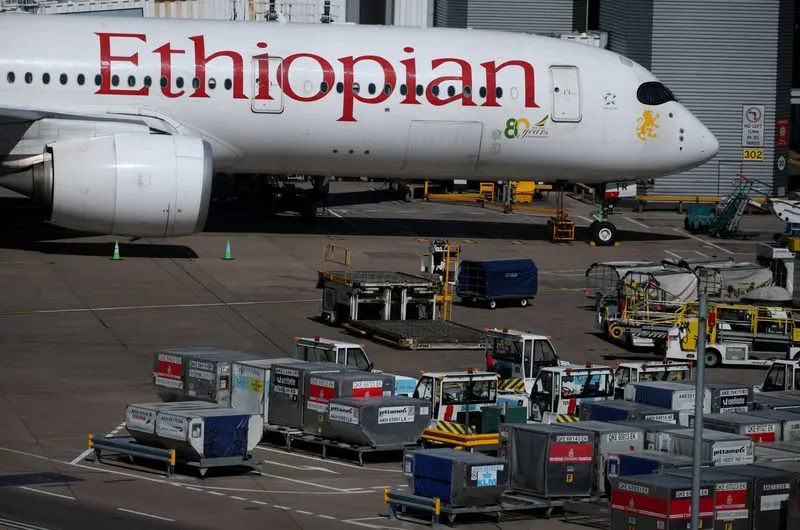
Ethiopian Airlines is nearing a deal for 10 additional Boeing freighters to expand its hub capacity as Boeing navigates production transitions.
Key Takeaways
- •Ethiopian Airlines eyes 10 additional Boeing freighters for hub growth.
- •Order includes both current 777F and upcoming 777-8F models.
- •Boeing seeks FAA waiver to produce 35 777Fs past 2028.
- •777-8F offers 30% lower emissions than current freighter models.
Ethiopian Airlines Cargo Expansion
Ethiopian Airlines is reportedly close to finalizing a procurement agreement for up to 10 additional cargo aircraft from Boeing. The potential order includes both the current-generation Boeing 777F (Boeing 777 Freighter) and the next-generation Boeing 777-8F (Boeing 777-8 Freighter). This acquisition is intended to bolster the airline's Addis Ababa cargo hub, strengthening its position as a primary logistics node between Africa, the Middle East, and global markets.
The Production Transition Challenge
The rumored order comes as Boeing manages a complex transition in its widebody freighter portfolio. The manufacturer is currently seeking an FAA emissions waiver (Docket FAA-2025-5699) to continue producing the current 777F beyond the 2028 emissions certification cutoff date. This regulatory relief is necessary to bridge the production gap until the Boeing 777-8F is ready for entry into service. According to Boeing, the requested relief will allow the manufacturer to meet anticipated customer demand and support the substantial public interest in the sustained transportation of air cargo prior to the 777-8F entering service.
777-8F vs 777F: Key Specifications
| Metric | Boeing 777F | Boeing 777-8F |
|---|---|---|
| Gross Structural Payload | 107 tonnes | 118 tonnes |
| Range at Max Payload | 5,000 nmi | 5,000 nmi |
Regulatory Context and Emissions
Under 14 CFR § 38.1 and 40 CFR § 1030.1, the FAA (Federal Aviation Administration) prohibits the certification of new 777Fs after January 1, 2028. Boeing has requested an exemption to produce 35 additional 777F aircraft to satisfy existing and incoming demand. While the 777-8F offers a 30% reduction in fuel and CO2 emissions compared to the aircraft it will replace, the delay of the program into the late 2020s has necessitated this regulatory intervention. Environmental advocates have argued that granting such waivers undermines international CO2 certification standards and delays the industry’s transition to more efficient, lower-emission operations.
Strategic Implications for Stakeholders
For Boeing Commercial Airplanes, this order serves as a critical bridge to maintain production line stability. For GE Aerospace, the mixed order secures a long-term engine backlog, as the 777F is powered by GE90 engines, while the 777-8F utilizes the next-generation GE9X. Furthermore, the expansion of the Ethiopian cargo operation creates increased competition for established carriers in the Gulf region, which currently dominate the Africa-Middle East logistics corridor.
Anticipating the 777-8F Entry
Historically, Ethiopian Airlines has demonstrated a strong commitment to the 777X freighter program. In March 2022, the carrier signed a Memorandum of Understanding for five 777-8Fs, positioning itself as an early adopter of the technology. The FAA is expected to issue a decision on the emissions waiver request between late 2026 and 2027. Following regulatory clearance, the 777-8F is expected to enter service between 2028 and 2029, marking a significant milestone in the airline's fleet modernization strategy.
Why This Matters for Cargo Logistics
The global air freight market is projected to grow by 67% over the next 20 years, necessitating a consistent supply of widebody capacity. By securing a mix of current and future freighter models, Ethiopian Airlines is positioning itself to capture shifting trade flows, particularly as African manufacturing and export volumes increase. This development signals a broader trend of airlines utilizing regulatory bridge-mechanisms to ensure network continuity during periods of technological transition in the aerospace manufacturing sector.
Frequently Asked Questions
- What is the primary difference between the Boeing 777F and the 777-8F?
- The 777-8F is a next-generation freighter that offers a 30% reduction in fuel and CO2 emissions compared to the current 777F. Additionally, the 777-8F features a higher gross structural payload capacity of 118 tonnes compared to the 107 tonnes of the 777F.
- Why is Boeing seeking an FAA emissions waiver for the 777F?
- Boeing is seeking an exemption because current FAA and international regulations prohibit the certification of new 777F aircraft after January 1, 2028. The waiver is intended to allow Boeing to continue producing the 777F to meet global cargo demand until the 777-8F enters service.
omniflights.com provides comprehensive commercial aviation news covering airlines, aircraft, and airports. For reporting on UAP sightings, investigations, and aviation-related encounters, see the UAPs section at omniflights.com/uaps.

Written by Ujjwal Sukhwani
Aviation News Editor & Industry Analyst delivering clear coverage for a worldwide audience. Covers flight operations, safety regulations, and market trends with expert analysis.
Visit ProfileYou Might Also Like

Turkish Airlines Signs Deal for 300+ LEAP-1B Engines

Lufthansa A350-1000 to Debut on Munich-Haneda Route

Cathay Pacific Weighs Widebody Fleet Expansion Plans

American Airlines Drops 3 Routes Amid Network Optimization
JAL Orders 16 Embraer E190-E2 Jets for Regional Fleet