Ethiopia Breaks Ground on $12.5B Bishoftu Airport Mega-Hub

Co-Founder & CEOAviation News Editor delivering trusted coverage across the global aviation industry.
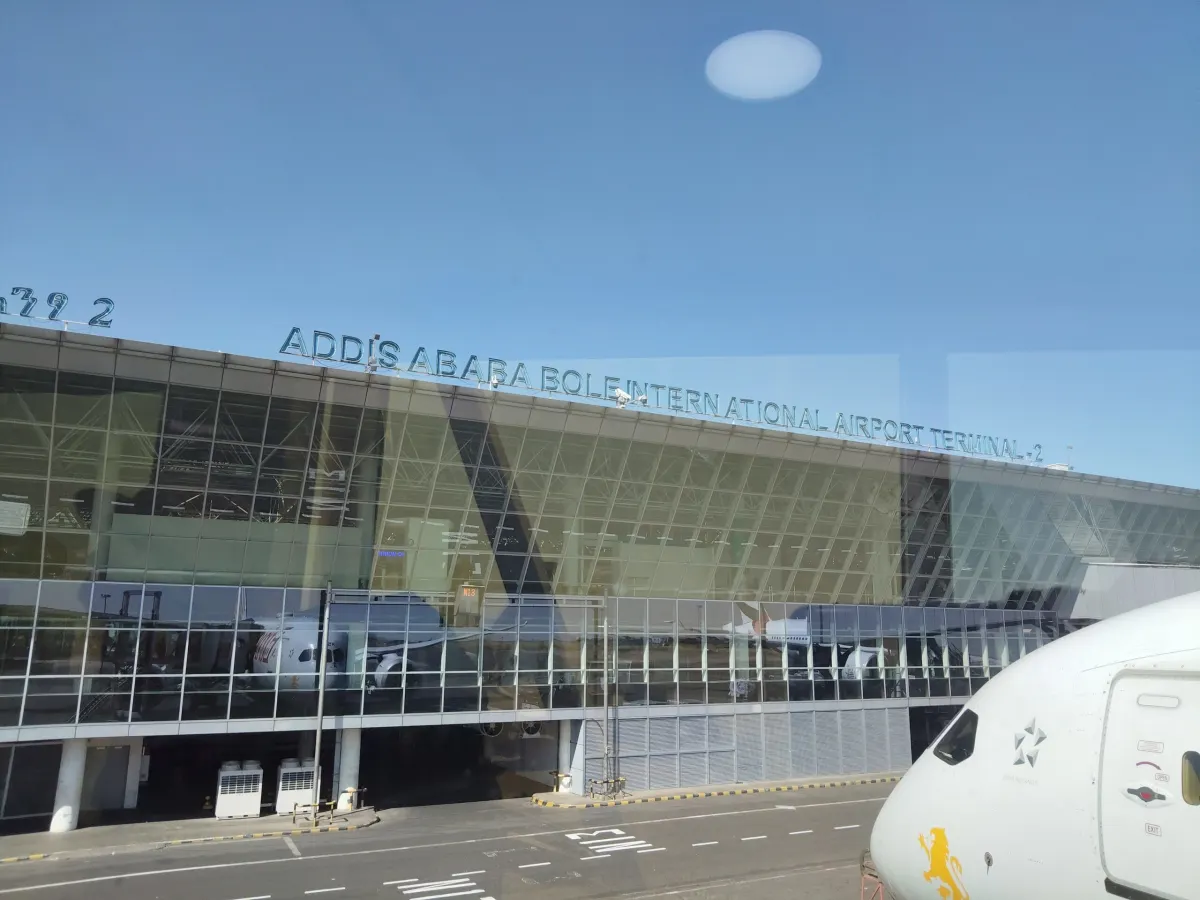
Ethiopia has begun construction on the $12.5 billion Bishoftu International Airport to expand capacity to 110 million annual passengers.
Key Takeaways
- •Ethiopia breaks ground on $12.5 billion Bishoftu International Airport.
- •Phase one targets 60 million annual passengers by 2030.
- •Ultimate capacity is designed to reach 110 million passengers.
- •African Development Bank acts as the project's mandated lead arranger.
Ethiopia Launches Africa’s Largest Airport Project
Ethiopia has officially commenced construction on the Bishoftu International Airport (BIA), a $12.5 billion mega-hub designed to position the nation as the primary aviation gateway for the continent. The groundbreaking ceremony, held on January 10, 2026, marks the start of a project intended to alleviate the severe capacity constraints currently facing Addis Ababa Bole International Airport (ADD). According to Ethiopian Airlines corporate press releases, the new facility will be located approximately 40 kilometers southeast of the capital.
Addressing Capacity Constraints at Bole
Addis Ababa Bole International Airport currently operates at a capacity of approximately 25 million passengers annually. With traffic growth projections indicating that the existing infrastructure will reach its technical limit within two to three years, the Bishoftu project is essential for the future of the Ethiopian Airlines Group. Prime Minister Abiy Ahmed emphasized that the new hub will provide more than four times the capacity of the current airport, ensuring the flag carrier can sustain its rapid fleet and network expansion through 2035.
Financing and Strategic Scope
The project is being structured with the African Development Bank (AfDB) acting as the mandated lead arranger. Official African Development Bank procurement documentation outlines the scale of the financial undertaking, which involves mobilizing roughly $8 billion from a syndicate of international lenders. The development is subject to rigorous Environmental and Social Impact Assessment (ESIA) protocols mandated by the Ethiopian Environmental Protection Authority and the AfDB to manage land acquisition and resettlement requirements.
BIA vs. Bole: Capacity Comparison
| Metric | Bishoftu (Final Phase) | Addis Ababa Bole |
|---|---|---|
| Annual Capacity | 110 million | ~25 million |
| Runways | 4 | 2 |
The Strategic Shift in African Aviation
The development of BIA represents a broader trend of African nations moving toward dual-airport systems to capture intercontinental transit traffic. This strategy seeks to reduce the historical reliance of African travelers on transit hubs in the Middle East and Europe. By creating a modern, high-capacity greenfield hub, Ethiopia aims to support the African Continental Free Trade Area (AfCFTA) by enhancing regional logistics and connectivity. Similar to the opening of the Istanbul New Airport (IST) in 2018, which enabled the growth of Turkish Airlines, the Bishoftu project is intended to facilitate a massive increase in global transit volume.
However, the project faces scrutiny regarding its economic and social impact. Some financial analysts have noted that the $12.5 billion price tag creates a significant debt burden for the country. Furthermore, local communities in the Oromia region have expressed concerns regarding land acquisition and livelihood disruptions, necessitating the strict oversight of the ESIA restoration programs.
Project Timeline and Operational Milestones
The development is scheduled to proceed in phases. Phase one is expected to reach completion by 2030, providing an initial capacity of 60 million passengers annually. Following the initial launch, the project is slated to scale to its ultimate capacity of 110 million passengers by 2035.
Why This Matters for African Transit
For Ethiopian Airlines, this infrastructure investment is the cornerstone of its 'Vision 2035' strategy, allowing the carrier to expand without the physical limitations of its current base. For the broader aviation industry, the success of this hub will likely dictate the competitive landscape for intra-African and intercontinental traffic, directly challenging established hubs like OR Tambo and JKIA. The successful delivery of this project would solidify Ethiopia's role as the primary connector for African trade and tourism.
Frequently Asked Questions
- What is the planned passenger capacity of the new Bishoftu International Airport?
- The Bishoftu International Airport is designed to handle 60 million passengers annually by 2030 in its first phase, eventually scaling to a total capacity of 110 million passengers.
- Why is Ethiopia building a new airport near Addis Ababa?
- The current Addis Ababa Bole International Airport is nearing its maximum capacity of 25 million passengers and is expected to reach its limit within two to three years. The new Bishoftu hub will provide the necessary infrastructure to support Ethiopian Airlines' long-term expansion strategy.
Stay ahead of the airline industry with commercial aviation news from omniflights.com. Discover how innovation is shaping aviation through aircraft systems, avionics, and digital tools at omniflights.com/technology.

Written by Hardik Vishwakarma
Co-Founder & Aviation News Editor leading initiatives that improve trust and visibility across the global aviation industry. Covers airlines, airports, safety, and emerging technology.
Visit ProfileYou Might Also Like
Discover more aviation news based on similar topics

KLM Receives First A350-900 De Nachtwacht for Fleet Renewal
KLM Royal Dutch Airlines has received its first Airbus A350-900, named De Nachtwacht, to begin replacing its aging Boeing 777 and Airbus A330 fleet.

Flydubai Upgrading 21 Boeing 737 MAX 8s to Flat Bed Seats
Flydubai is retrofitting 21 Boeing 737 MAX 8 aircraft with lie-flat business class seats to standardize its premium product by late 2027.
Emirates Winter Booking Momentum Grows Amid Fleet Expansion
Emirates carried 8.6 million passengers this summer and enters winter with strong demand as it accelerates fleet retrofits and network growth.

Air Arabia Consortium Gains AOC for New Dammam Budget Airline
A Saudi GACA-led consortium including Air Arabia has secured an AOC to launch a new budget airline based at Dammam's King Fahd International Airport.
Turkish Airlines Exits Luanda as Angola Hub Struggles
Turkish Airlines dropped its Luanda route as Angola's new airport struggles to attract traffic, handling only 756,028 passengers in 2025.

Red Sea Airlines Leases Two 737 MAX 8s for 2027 Expansion
Red Sea Airlines signed a lease for two Boeing 737 MAX 8 aircraft from SMBC Aviation Capital, arriving in 2027 to support its 14-aircraft fleet goal.