American Airlines Brings Back Seatback Screens to Narrowbodies

Aviation News Editor & Industry AnalystAviation News Editor & Industry Analyst delivering clear coverage for a worldwide audience.
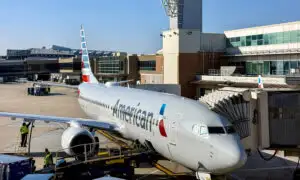
American Airlines will reintroduce seatback screens to its fleet of over 870 narrowbodies starting in 2028 to close the amenity gap with rivals.
Key Takeaways
- •American Airlines will return 4K seatback screens to narrowbodies starting in 2028.
- •Premium seating will expand across Airbus A319, A320, and A321neo fleets.
- •Upcoming Boeing 737 MAX 10 aircraft will feature 24 first-class seats.
- •Upgrade aims to close profit gap after Q2 2026 net income of $71 million.
On August 18, 2026, American Airlines announced a major shift in its cabin strategy by bringing back American Airlines seatback screens featuring American Airlines 4K displays to its narrowbody fleet starting in 2028. This narrowbody fleet retrofit and new delivery program represents a significant turnaround for the carrier. Alongside the entertainment upgrades, the carrier will expand its Main Cabin Extra seating product to capture higher-yield domestic travelers.
The decision reverses a long-standing strategy that prioritized cost savings over built-in passenger amenities. By abandoning its previous "Bring Your Own Device" (BYOD) model, American Airlines aims to close a persistent product and profitability gap with its primary legacy competitors, Delta Air Lines and United Airlines, both of which maintained and upgraded their seatback entertainment options.
Next-Generation Inflight Entertainment Systems
The carrier plans to deploy the new high-definition screens on newly delivered Airbus and Boeing narrowbody aircraft starting in 2028. The technology will also be rolled out as a retrofit for existing aircraft, bringing modern inflight entertainment to a fleet of more than 870 single-aisle planes. The next-generation platform will feature larger screens, USB-C charging ports, Bluetooth audio pairing for personal headphones, and personalized viewing recommendations. This initiative expands seatback entertainment beyond the 140 long-haul widebody aircraft that currently feature the technology, according to American Airlines' official announcement.
Alongside the entertainment upgrades, the airline is executing a major premium cabin expansion. American will add an extra row of first-class seats to its Airbus A319 and Airbus A320 fleets, while reconfiguring its Airbus A321neo fleet for more premium capacity. Its upcoming Boeing 737 MAX 10 aircraft will be delivered with 24 first-class seats. For economy passengers, the airline will retrofit the majority of its narrowbody fleet to expand its Main Cabin Extra product, which offers extra legroom, dedicated overhead bins, and complimentary alcoholic beverages.
737 MAX 10 vs Legacy Narrowbody Configurations
To accommodate changing travel preferences, American Airlines is shifting its narrowbody cabin layouts toward premium-heavy configurations. The upcoming Boeing 737 MAX 10 will feature a higher baseline of first-class seats compared to older narrowbody standards.
| Metric | Boeing 737 MAX 10 | Older 737/A321 configurations |
|---|---|---|
| First-Class Seats | 24 First-Class seats | Typically 16-20 First-Class seats |
Reversing the BYOD Strategy
In 2017, American Airlines made the controversial decision to remove seatback screens from its domestic narrowbody fleet. The carrier argued that the weight and maintenance costs of built-in screens were unjustifiable given that most passengers traveled with personal devices like smartphones and tablets. While American transitioned to a streaming-only model, Delta Air Lines and United Airlines doubled down on seatback screens, investing heavily in next-generation systems. This divergence created a notable service gap in the highly competitive US domestic market.
According to environmental analysts and cost-efficiency advocates, the return to physical screens presents trade-offs. While screens improve the passenger experience, the added weight and power consumption inevitably increase fuel burn and carbon emissions. This presents a challenge for airlines balancing consumer expectations with industry-wide decarbonization goals.
The Financial Imperative Behind the Upgrade
The product overhaul comes as American Airlines faces pressure to improve its financial performance relative to its peers. For the second quarter of 2026, American reported record revenue of $16.7 billion but a net income of just $71 million. In contrast, United Airlines reported a Q2 2026 net income of $805 million, while Delta Air Lines posted a net income of $1.6 billion for the same period. While American continues to see positive trends in passenger, cargo, and premium revenue, rising fuel costs and operating margin pressures led the carrier to lower its third-quarter profit outlook.
Key Stakeholder Impacts
The fleet-wide retrofit will have a high impact on inflight entertainment hardware providers, who stand to secure lucrative contracts to supply 4K screens, Bluetooth modules, and USB-C hardware for over 800 narrowbody aircraft. For premium and corporate travelers, the expansion of first class and Main Cabin Extra seating will increase upgrade availability and overall domestic comfort. Meanwhile, competing legacy carriers will face intensified competition as American closes the product gap.
Retrofit and Delivery Timeline
According to the airline's rollout plan, the first newly delivered Airbus and Boeing narrowbodies featuring the 4K screens will enter service in 2028. The broader retrofitting process for existing aircraft is expected to continue into the early 2030s, eventually covering the majority of the narrowbody fleet.
Closing the Premium Gap
This development signals American's recognition that hardware-free cabins are no longer competitive in the premium-dominated post-pandemic market. By committing to a multi-year, capital-intensive upgrade, the carrier is positioning itself to better compete for high-yield business and leisure travelers who demand seamless connectivity and entertainment.
Frequently Asked Questions
- When will American Airlines reintroduce seatback screens?
- American Airlines will begin installing next-generation 4K seatback screens on newly delivered Boeing and Airbus narrowbody aircraft starting in 2028, with retrofits on existing aircraft to follow.
- Which aircraft will receive the premium cabin upgrades?
- American Airlines will add an extra row of first-class seats to its Airbus A319 and A320 fleets, reconfigure its Airbus A321neo fleet, and deliver its upcoming Boeing 737 MAX 10 with 24 first-class seats.
- Why did American Airlines previously remove seatback screens?
- In 2017, American Airlines removed seatback screens from its domestic fleet to reduce aircraft weight and fuel costs, expecting passengers to stream entertainment on their personal devices.
Access up-to-date commercial aviation news and airline industry developments via omniflights.com. Stay informed on aviation incidents, investigations, and best practices in the Safety category at omniflights.com/safety.

Written by Ujjwal Sukhwani
Aviation News Editor & Industry Analyst delivering clear coverage for a worldwide audience. Covers flight operations, safety regulations, and market trends with expert analysis.
Visit ProfileYou Might Also Like
Discover more aviation news based on similar topics
KLM Receives First A350-900 De Nachtwacht for Fleet Renewal
KLM Royal Dutch Airlines has received its first Airbus A350-900, named De Nachtwacht, to begin replacing its aging Boeing 777 and Airbus A330 fleet.
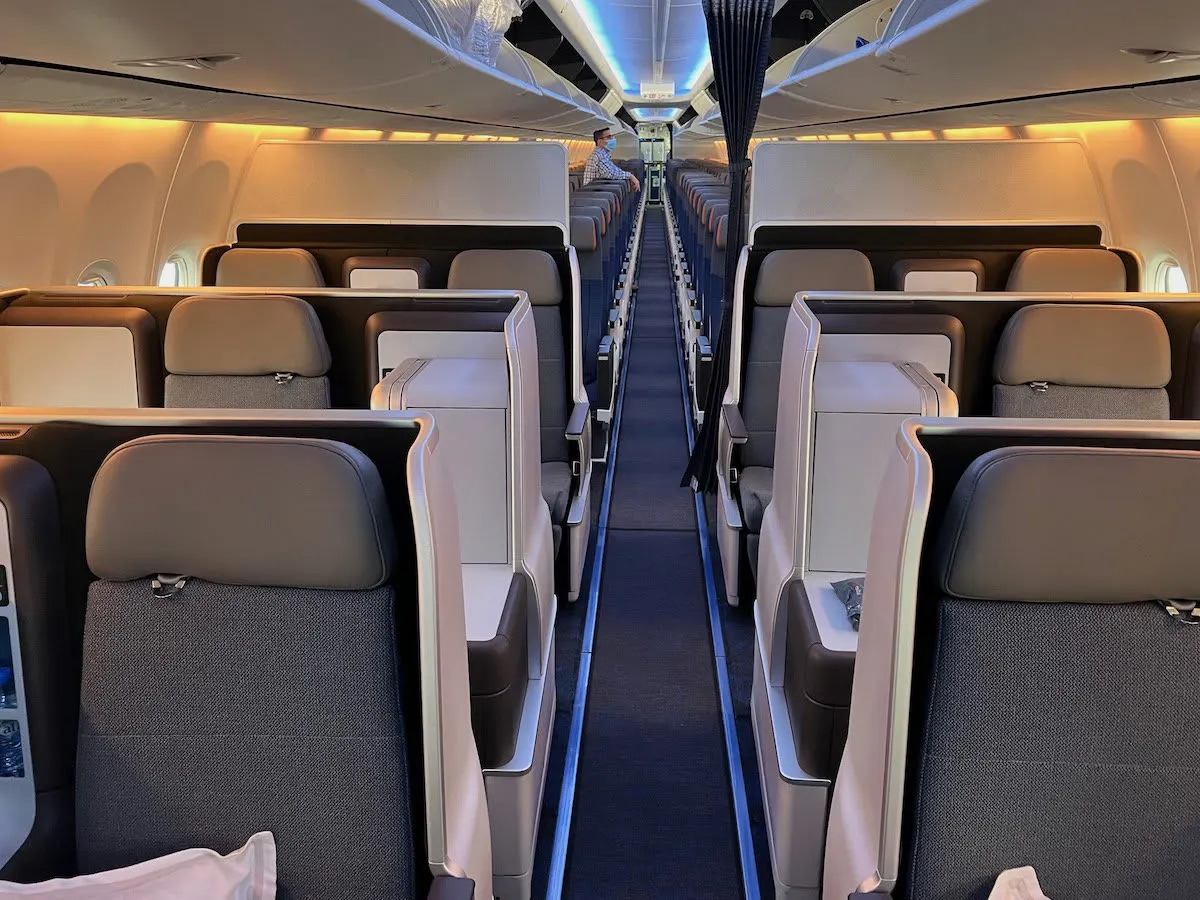
Flydubai Upgrading 21 Boeing 737 MAX 8s to Flat Bed Seats
Flydubai is retrofitting 21 Boeing 737 MAX 8 aircraft with lie-flat business class seats to standardize its premium product by late 2027.
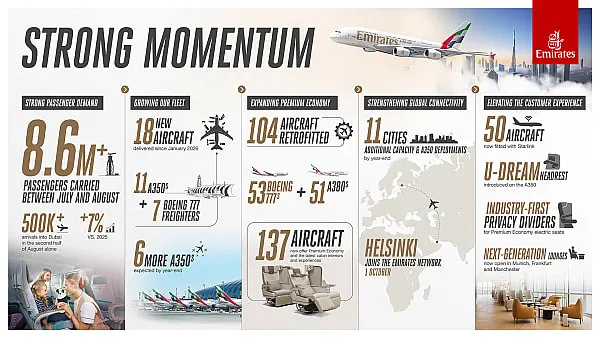
Emirates Winter Booking Momentum Grows Amid Fleet Expansion
Emirates carried 8.6 million passengers this summer and enters winter with strong demand as it accelerates fleet retrofits and network growth.

Air Arabia Consortium Gains AOC for New Dammam Budget Airline
A Saudi GACA-led consortium including Air Arabia has secured an AOC to launch a new budget airline based at Dammam's King Fahd International Airport.

Turkish Airlines Exits Luanda as Angola Hub Struggles
Turkish Airlines dropped its Luanda route as Angola's new airport struggles to attract traffic, handling only 756,028 passengers in 2025.

Red Sea Airlines Leases Two 737 MAX 8s for 2027 Expansion
Red Sea Airlines signed a lease for two Boeing 737 MAX 8 aircraft from SMBC Aviation Capital, arriving in 2027 to support its 14-aircraft fleet goal.