Lufthansa City Airlines A220 to Debut in November 2026

Aviation News Editor & Industry AnalystAviation News Editor & Industry Analyst delivering clear coverage for a worldwide audience.
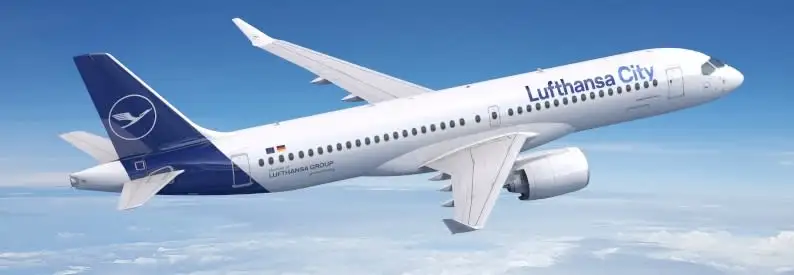
Lufthansa City Airlines will receive its first Airbus A220-300 in November 2026, marking the start of a 40-aircraft fleet modernization program.
Key Takeaways
- •Lufthansa City Airlines will receive its first Airbus A220-300 in November 2026.
- •The carrier has 40 Airbus A220-300 aircraft on firm order for fleet renewal.
- •The A220-300 reduces fuel burn and carbon emissions by 25 percent.
- •Labor unions raise concerns over the growth of the new subsidiary.
The upcoming Lufthansa City Airlines A220 fleet expansion has reached a key milestone. The carrier confirmed that its first Airbus A220-300 delivery is scheduled for November 2026, initiating a major phase of the broader Lufthansa fleet modernization strategy. This delivery stems from a firm Airbus A220 order for 40 aircraft.
The introduction of the Airbus A220-300 (originally developed by Bombardier as the CSeries) is designed to optimize the Lufthansa Group's regional operations. By deploying these highly efficient narrowbody aircraft, Lufthansa City Airlines aims to lower unit costs, reduce emissions, and streamline its feeder network into the group's primary German hubs in Frankfurt and Munich. The fleet transition will directly impact passenger capacity, offering a more modern cabin experience on short- and medium-haul routes.
Fleet Modernization and Environmental Commitments
According to the Lufthansa Group's order announcement finalized in December 2023, the firm contract includes 40 A220-300 aircraft destined for the newly launched subsidiary. The aircraft offers 25% lower fuel burn and carbon dioxide emissions per seat compared to previous-generation regional jets. To operate these aircraft commercially within European airspace, the airline is working toward the necessary Type Certification and Operational Approval from the EASA (European Union Aviation Safety Agency).
The selection of the A220 family represents a significant win for Pratt & Whitney, which will supply its PW1500G geared turbofan engines to power the entire 40-aircraft fleet, securing long-term maintenance and service agreements. Conversely, the decision represents a competitive setback for Embraer, which had pitched its E-Jets E2 family for the regional renewal program.
However, the fleet expansion does face domestic headwinds. Labor unions, including Vereinigung Cockpit (VC) and the Unabhängige Flugbegleiter Organisation (UFO), have expressed concerns regarding the growth of Lufthansa City Airlines. Union representatives argue that the subsidiary is being utilized to bypass mainline labor agreements and establish lower wage structures for flight crews.
Historical Precedents and Fleet Comparisons
The Lufthansa Group has a long history with this aircraft family. In July 2016, subsidiary SWISS became the global launch operator of the A220-100, successfully utilizing the type to replace its aging Avro RJ100 fleet. The proven operational efficiency of the platform at SWISS heavily influenced the group's decision to commit to the A220-300 for its German regional operations. Globally, other major carriers have executed similar strategies; in July 2018, JetBlue ordered 60 A220-300s to systematically replace its Embraer E190 fleet, seeking to capture lower seat-mile costs.
Airbus A220-300 vs Embraer E195-E2
The choice of the A220-300 over the Embraer E195-E2 highlights a preference for greater capacity and range in the crossover narrowbody segment. The table below outlines the technical differences between the two competing models:
| Metric | Airbus A220-300 | Embraer E195-E2 |
|---|---|---|
| Maximum Capacity | 160 passengers | 146 passengers |
| Maximum Range | 3,400 nm | 3,000 nm |
| Maximum Takeoff Weight (MTOW) | 70.9 tonnes | 62.5 tonnes |
The Economics of the Crossover Narrowbody Segment
The transition to the A220-300 reflects a broader industry trend toward up-gauging regional routes. As pilot shortages persist and airport slot constraints tighten, airlines are moving away from traditional 70-to-100-seat regional jets in favor of larger 130-to-160-seat crossover aircraft. The A220-300 provides the economics of a mainline narrowbody with the flexibility required for lower-density feeder routes. This development indicates that the Lufthansa Group is prioritizing unit-cost reduction and environmental compliance in its European short-haul network. By utilizing a clean-sheet design specifically optimized for this seat category, the airline can achieve significant fuel savings while maintaining the range capability to connect secondary European cities to its primary hubs.
Delivery and Operational Milestones
The rollout of the new fleet will follow a structured timeline of regulatory and operational milestones:
- November 2026: Delivery of the first Airbus A220-300 to Lufthansa City Airlines is confirmed.
- Early 2027: Commercial entry into service of the A220-300 is expected on select European short-haul routes.
Subsequent deliveries of the remaining 39 aircraft on order will be phased over the following years to systematically replace older regional airframes.
Why Hub Connectivity Matters
For the Lufthansa Group, the successful integration of the A220-300 is critical to securing its long-term hub-and-spoke model. By lowering operating costs on feeder flights, the airline can maintain viable connections from smaller European markets into Frankfurt and Munich. This strategy ensures a steady flow of transfer passengers to support its highly profitable long-haul network while meeting strict European environmental mandates.
Frequently Asked Questions
- When will Lufthansa City Airlines receive its first Airbus A220?
- Lufthansa City Airlines is scheduled to take delivery of its first Airbus A220-300 in November 2026.
- How many Airbus A220 aircraft does Lufthansa City Airlines have on order?
- The Lufthansa Group has a firm order for 40 Airbus A220-300 aircraft dedicated to the Lufthansa City Airlines fleet.
- What are the key technical differences between the A220-300 and the E195-E2?
- The Airbus A220-300 carries up to 160 passengers with a range of 3,400 nautical miles, whereas the Embraer E195-E2 carries up to 146 passengers with a range of 3,000 nautical miles.
Get breaking commercial aviation news and expert airline analysis at omniflights.com. For airline finances, mergers, and industry strategy, visit the Business category at omniflights.com/business.
Written by Ujjwal Sukhwani
Aviation News Editor & Industry Analyst delivering clear coverage for a worldwide audience. Covers flight operations, safety regulations, and market trends with expert analysis.
Visit ProfileYou Might Also Like
Discover more aviation news based on similar topics
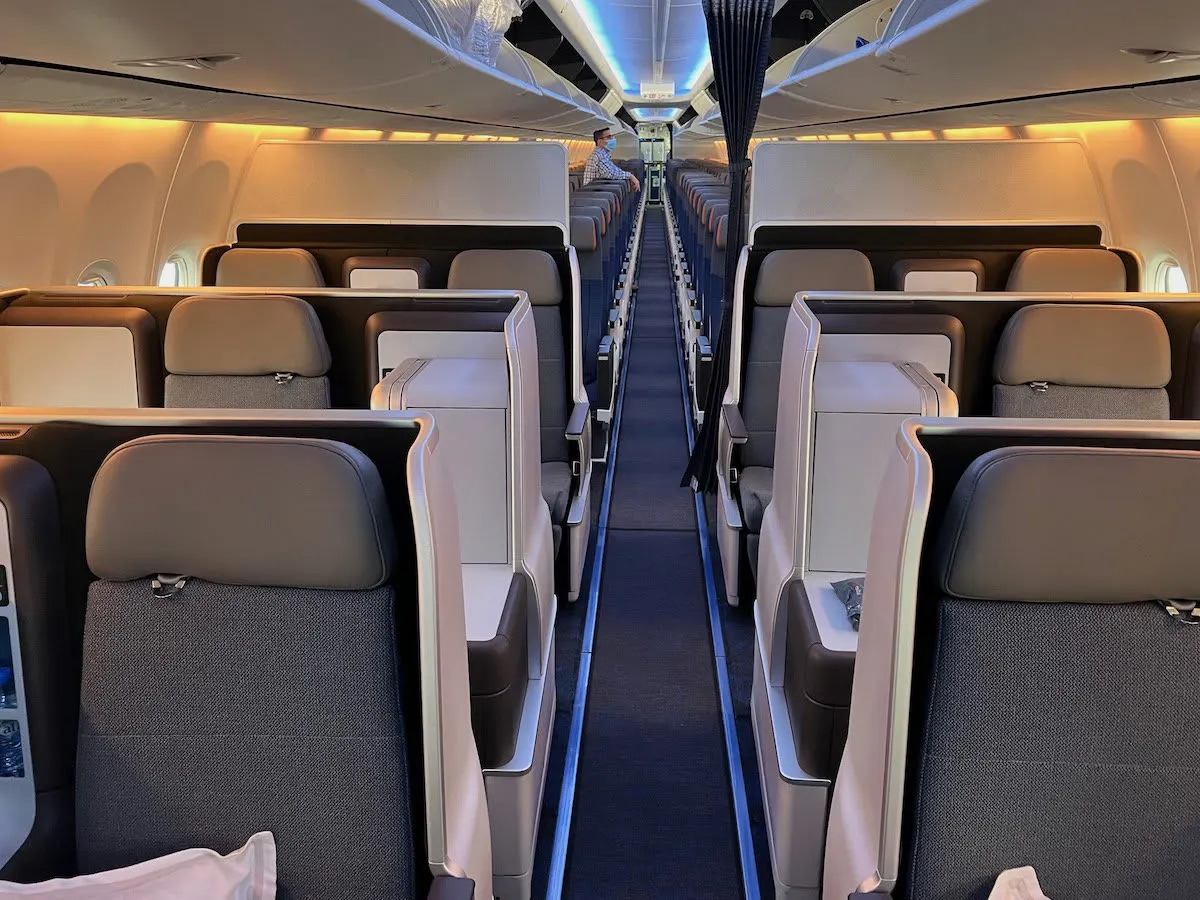
Flydubai Upgrading 21 Boeing 737 MAX 8s to Flat Bed Seats
Flydubai is retrofitting 21 Boeing 737 MAX 8 aircraft with lie-flat business class seats to standardize its premium product by late 2027.
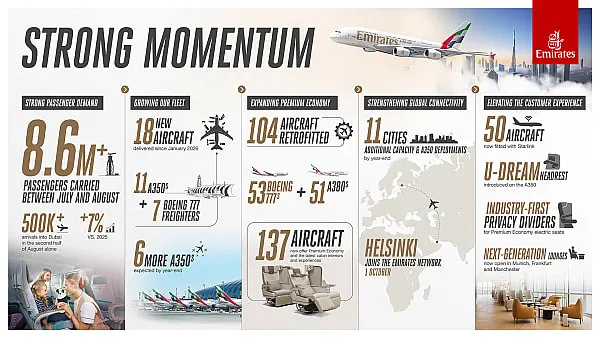
Emirates Winter Booking Momentum Grows Amid Fleet Expansion
Emirates carried 8.6 million passengers this summer and enters winter with strong demand as it accelerates fleet retrofits and network growth.
Air Arabia Consortium Gains AOC for New Dammam Budget Airline
A Saudi GACA-led consortium including Air Arabia has secured an AOC to launch a new budget airline based at Dammam's King Fahd International Airport.

Turkish Airlines Exits Luanda as Angola Hub Struggles
Turkish Airlines dropped its Luanda route as Angola's new airport struggles to attract traffic, handling only 756,028 passengers in 2025.
Red Sea Airlines Leases Two 737 MAX 8s for 2027 Expansion
Red Sea Airlines signed a lease for two Boeing 737 MAX 8 aircraft from SMBC Aviation Capital, arriving in 2027 to support its 14-aircraft fleet goal.
Avelo CEO Warns Airfares May Rise on Jet Fuel Price Spikes
Avelo Airlines CEO Andrew Levy warns that rising fuel costs may force fare increases as global jet fuel prices reach $171.01 per barrel.