Emirates Expands Free Starlink WiFi to 232 Aircraft

Co-Founder & CEOAviation News Editor delivering trusted coverage across the global aviation industry.
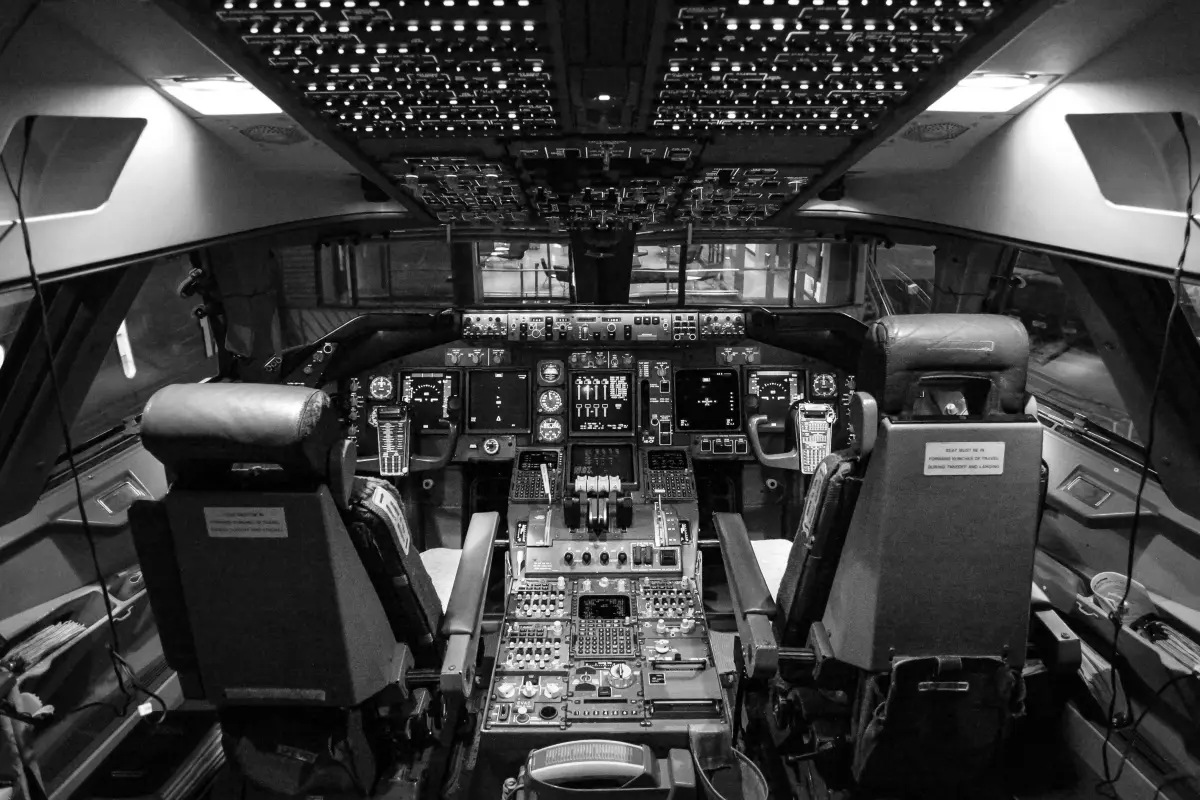
Emirates is expanding its free Starlink WiFi service to more aircraft, with 33 now equipped and a total of 232 planned for the high-speed upgrade.
Key Takeaways
- •Emirates is equipping 232 aircraft with free Starlink WiFi.
- •The system offers >2 Gbps bandwidth, a major upgrade from <1 Mbps.
- •33 aircraft, including A380s and 777s, are already equipped.
- •The move follows competitors like Qatar Airways in adopting LEO internet.
Emirates is accelerating the rollout of its Emirates Starlink WiFi service, bringing high-speed, complimentary inflight internet service to more of its global fleet. The airline confirmed that 33 aircraft are now equipped with the technology, including newly certified Airbus A380 aircraft. This expansion is part of a broader plan to outfit a total of 232 aircraft with the SpaceX-powered connectivity solution, fundamentally upgrading the passenger experience on long-haul routes.
The initiative marks a significant investment in In-Flight Connectivity (IFC) and positions Emirates as a leader in offering free, high-bandwidth internet across all cabin classes. The current equipped fleet includes 25 Boeing 777-300ERs and a growing number of A380s, with installations proceeding across the airline's widebody fleet. This move directly addresses a long-standing passenger pain point: slow and expensive onboard internet.
A New Standard in Connectivity
According to an official announcement from the Emirates Media Centre, the Starlink system represents a paradigm shift in performance. On the Airbus A380, the system delivers over 2 Gbps of bandwidth to the aircraft. This is a dramatic increase compared to legacy geostationary satellite systems, which often provided less than 1 Mbps of total bandwidth for hundreds of passengers to share. This upgrade allows travelers to stream high-definition video, participate in video calls, and transfer large files seamlessly at 40,000 feet.
Sir Tim Clark, President of Emirates Airline, described the partnership as a pivotal moment for the airline's service commitment. Chad Gibbs, Vice President of Starlink Business Operations at SpaceX, noted that the technology will transform the travel experience by enabling uninterrupted digital connectivity. The system utilizes a Low Earth Orbit (LEO) satellite constellation, which provides significantly lower latency and higher speeds than traditional satellite networks.
Regulatory and Technical Hurdles
The installation of Starlink antennas on commercial aircraft is a complex process requiring regulatory approval. Emirates has been working with authorities to secure a Supplemental Type Certificate (STC) for both its Boeing 777 and Airbus A380 fleets. An STC, issued by bodies like the General Civil Aviation Authority (GCAA) in the UAE or the Federal Aviation Administration (FAA) in the U.S., is required to modify an aircraft's original design. For the A380, this involved certifying the installation of three phased-array antennas on its large fuselage without compromising aerodynamic performance.
Industry analysts have noted that securing an STC for a complex, double-decker aircraft like the A380 can present significant engineering challenges, potentially affecting rollout timelines. However, Emirates' progress indicates these hurdles are being successfully managed.
Emirates Starlink System vs Legacy Onboard Wi-Fi
| Metric | Emirates Starlink System (A380) | Legacy Onboard Wi-Fi Systems |
|---|---|---|
| Total Aircraft Bandwidth | >2 Gbps | <1 Mbps |
| Antennas Required | 3 phased-array antennas | 1 standard dome |
Industry Impact and Competitive Landscape
Emirates' move is part of a broader industry trend toward adopting LEO-based IFC solutions. The decision follows similar rollouts by competitors, most notably Qatar Airways, which began equipping its Boeing 777 fleet with Starlink in 2024. This established a new competitive benchmark for premium carriers in the Middle East. The trend also reflects a shift away from paid, tiered Wi-Fi access toward offering high-speed connectivity as a complimentary amenity for all passengers.
The decision has a significant impact on stakeholders. For legacy IFC providers like Panasonic Avionics and Viasat, it represents the loss of a major contract with one of the world's largest widebody operators. Conversely, it is a landmark win for SpaceX, cementing Starlink Aviation's dominant position in the commercial aviation market. For passengers, the benefit is clear: a more productive and entertaining inflight experience without additional cost.
Technical Analysis
This fleet-wide upgrade is more than an amenity; it is a strategic response to the technological disruption brought by LEO satellite networks. By committing to a 232-aircraft rollout, Emirates is betting that high-quality, free internet is becoming a fundamental expectation for long-haul travelers, not a luxury add-on. The data suggests this move accelerates the obsolescence of older geostationary satellite systems, which cannot compete on speed, latency, or cost-effectiveness. This development forces other global carriers to re-evaluate their own IFC strategies, likely triggering a new wave of fleet upgrades across the industry to maintain competitive parity. The historical precedent set by early adopters like Qatar Airways shows that once a regional leader offers a superior service for free, it quickly becomes the expected standard.
What Comes Next
Emirates has outlined an aggressive timeline for the fleet-wide installation. The completion of the Starlink rollout across all targeted 232 aircraft is expected by mid-2027. While not officially confirmed, it is also rumored that the airline's incoming fleet of Airbus A350 aircraft will be equipped with the technology as they enter service between 2026 and 2027. This would ensure a consistent connectivity experience across Emirates' next-generation fleet.
Why This Matters
Emirates' fleet-wide adoption of Starlink redefines the baseline for inflight passenger experience in long-haul travel. By making high-speed, streaming-capable internet a free, standard amenity, the airline pressures global competitors to abandon outdated and unpopular paid Wi-Fi models. This development signals a major shift in the IFC market, solidifying the dominance of LEO satellite providers and promising a new era of seamless connectivity for air travelers worldwide.
Frequently Asked Questions
- How many Emirates aircraft will have Starlink WiFi?
- Emirates plans to install Starlink on a total of 232 aircraft, including its Boeing 777 and Airbus A380 fleets. As of mid-May 2026, 33 aircraft are already equipped with the high-speed internet service.
- How much faster is Emirates' new Starlink WiFi?
- The Starlink system provides a significant speed increase, delivering over 2 Gbps of total bandwidth on the Airbus A380. This is a substantial upgrade from legacy systems, which offered less than 1 Mbps for the entire aircraft.
- Is Starlink WiFi free on Emirates flights?
- Yes, Emirates offers the Starlink-powered high-speed internet service for free to all passengers, regardless of their cabin class.
From airline operations to fleet updates, commercial aviation news lives at omniflights.com. Get the latest updates on major hubs, regional terminals, and airport operations via the Airports section at omniflights.com/airports.
Written by Hardik Vishwakarma
Co-Founder & Aviation News Editor leading initiatives that improve trust and visibility across the global aviation industry. Covers airlines, airports, safety, and emerging technology.
Visit ProfileYou Might Also Like
Discover more aviation news based on similar topics
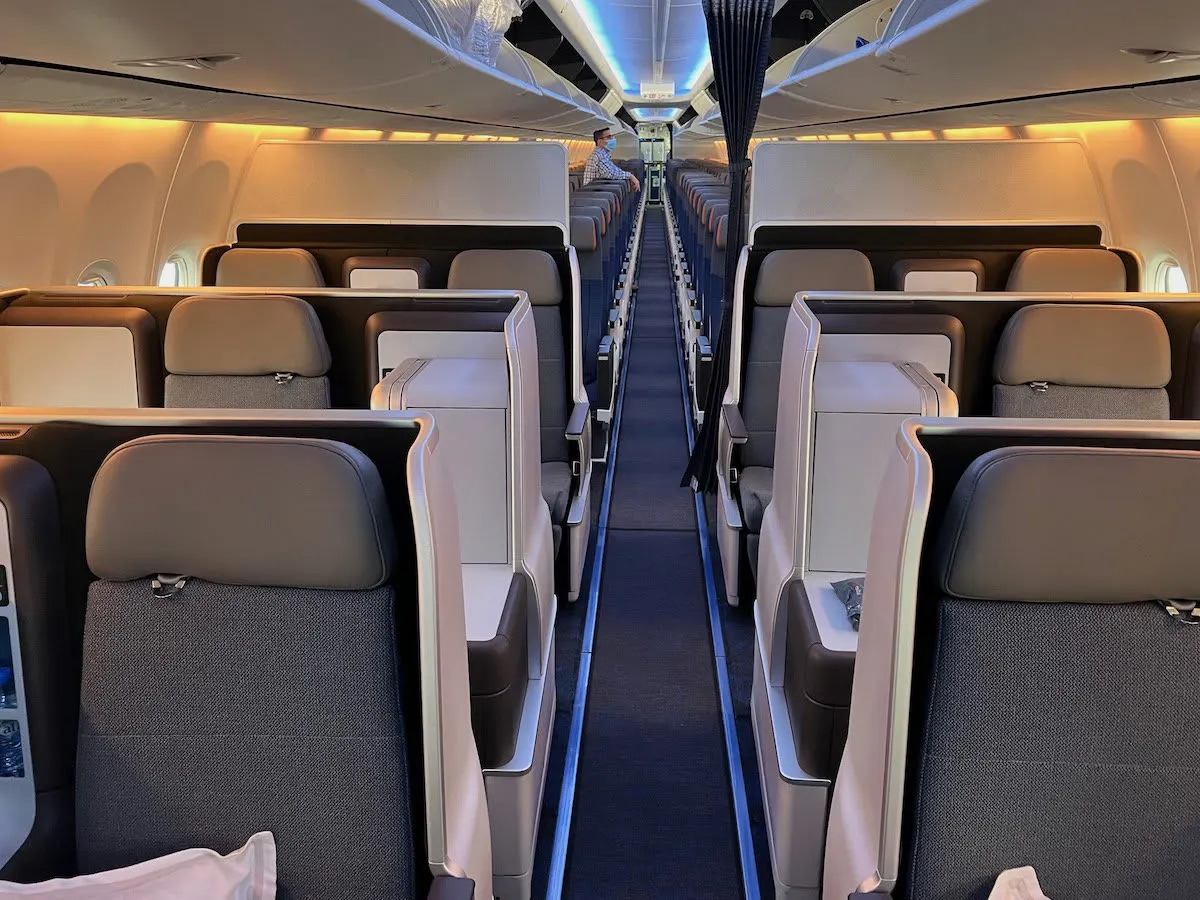
Flydubai Upgrading 21 Boeing 737 MAX 8s to Flat Bed Seats
Flydubai is retrofitting 21 Boeing 737 MAX 8 aircraft with lie-flat business class seats to standardize its premium product by late 2027.
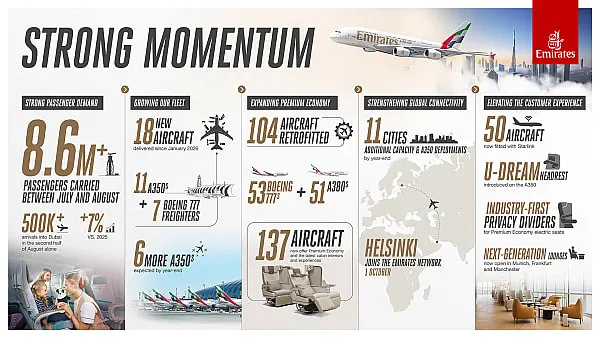
Emirates Winter Booking Momentum Grows Amid Fleet Expansion
Emirates carried 8.6 million passengers this summer and enters winter with strong demand as it accelerates fleet retrofits and network growth.
Air Arabia Consortium Gains AOC for New Dammam Budget Airline
A Saudi GACA-led consortium including Air Arabia has secured an AOC to launch a new budget airline based at Dammam's King Fahd International Airport.
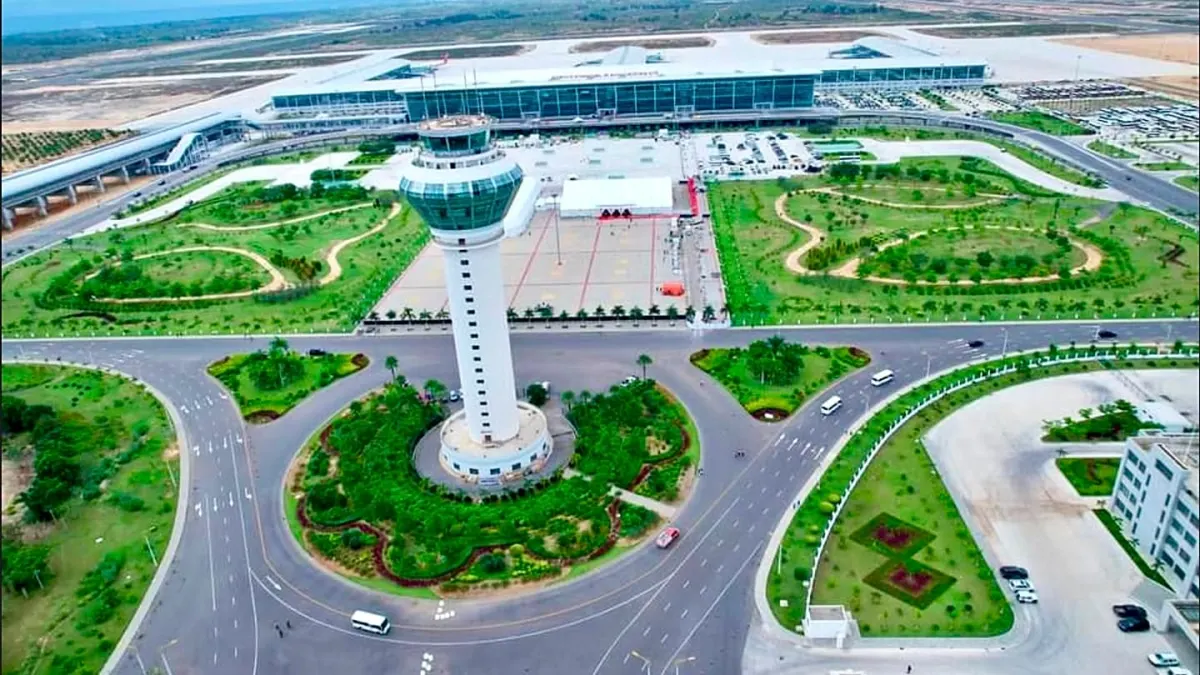
Turkish Airlines Exits Luanda as Angola Hub Struggles
Turkish Airlines dropped its Luanda route as Angola's new airport struggles to attract traffic, handling only 756,028 passengers in 2025.

Red Sea Airlines Leases Two 737 MAX 8s for 2027 Expansion
Red Sea Airlines signed a lease for two Boeing 737 MAX 8 aircraft from SMBC Aviation Capital, arriving in 2027 to support its 14-aircraft fleet goal.
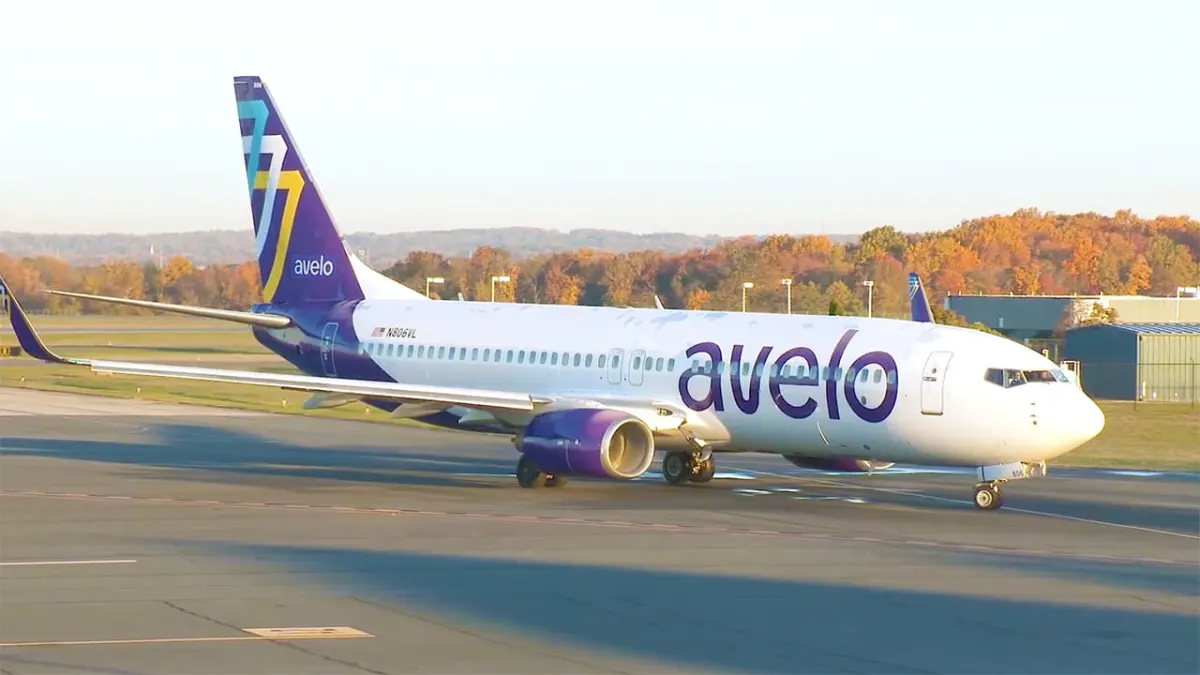
Avelo CEO Warns Airfares May Rise on Jet Fuel Price Spikes
Avelo Airlines CEO Andrew Levy warns that rising fuel costs may force fare increases as global jet fuel prices reach $171.01 per barrel.