El Al Orders More Boeing 787s, Faces Excessive Pricing Fine

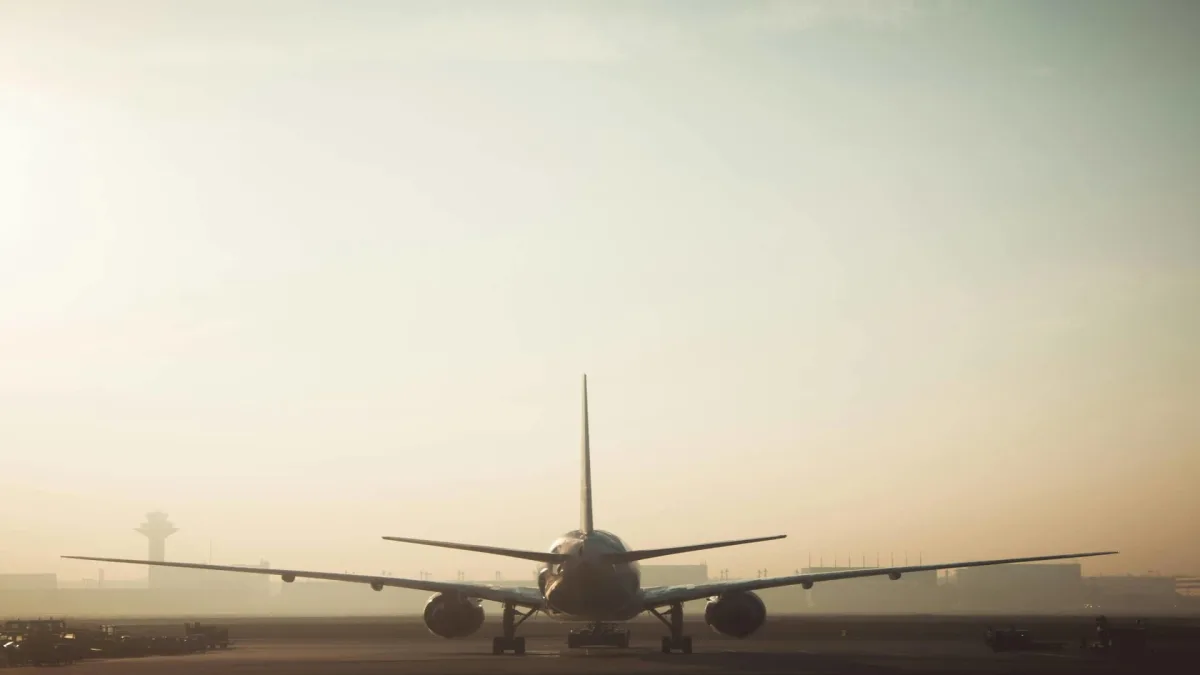
El Al ordered more Boeing 787s to expand its long-haul fleet while facing a proposed $39M fine for excessive pricing amid reduced competition.
Key Takeaways
- •Orders three new Boeing 787 Dreamliners, with options for six more and four converted to the larger 787-10.
- •Faces a proposed $39 million fine from Israel's Competition Authority for alleged excessive pricing on 38 routes.
- •Increased market share at Tel Aviv's Ben Gurion Airport from approximately 20% to over 70% amid conflict.
- •Aims to expand its Dreamliner fleet from a current 17 aircraft to a total of 28 by 2030.
El Al Israel Airlines has placed a new order for three Boeing 787 Dreamliners, a move that includes exercising options for six 787-9s and converting four to the larger 787-10 variant. This fleet expansion, valued at approximately $1.5 billion at list prices, comes as the airline navigates a period of unprecedented market dominance and faces a proposed NIS 121 million ($39 million) fine from the Israel Competition Authority for alleged excessive pricing.
The strategic procurement aims to modernize and grow El Al's long-haul capabilities, building on its initial Dreamliner order from 2015. The airline's current fleet of 17 Boeing 787s is now set to reach 28 aircraft by 2030. However, the expansion coincides with intense regulatory scrutiny stemming from the airline's operational environment since late 2023.
Market Dominance and Regulatory Scrutiny
Following the suspension of services by most foreign carriers, El Al's market position at its hub, Tel Aviv Ben Gurion International Airport (TLV), shifted dramatically. According to the Israel Competition Authority, the airline's market share surged from approximately 20% to over 70% on international routes. This near-monopoly status on 38 key routes allegedly led to significant fare increases.
Data from the competition authority indicates that average ticket prices on El Al rose by 16% between October 2023 and May 2024, with some routes seeing increases as high as 31%. In response, the authority announced its intent to fine the carrier for charging what it deems excessive prices, a violation of Israeli competition law. The regulatory body asserts that El Al capitalized on its monopoly position to the detriment of consumers.
El Al has defended its pricing strategy. In a statement, the airline argued it "acted responsibly to ensure continued connectivity for Israel under extremely challenging circumstances." The company cited substantially higher operational costs, including increased expenses for fuel, security, and insurance, as the primary drivers for the fare adjustments.
Fleet Strategy and Upgauging
El Al's decision to convert four orders from the 787-9 to the larger 787-10 reflects a strategy of upgauging to maximize capacity. This approach is common for airlines operating out of slot-constrained airports like TLV, allowing for an increase in Available Seat Kilometers (ASK), a key industry metric for passenger capacity, without requiring additional takeoff and landing slots. The move is part of a broader fleet renewal effort, detailed in Boeing's announcements regarding El Al's long-term procurement plans, including its commitment to the 737 MAX family for its short-haul network.
In an April 2026 statement, El Al CEO Levi HaLevi commented on the order: "Expanding the 787 fleet allows us to increase capacity and improve efficiency. This is a key step in our strategy to build a modern, profitable and market-leading airline."
Boeing 787-9 vs. Boeing 787-10
| Metric | 787-9 | 787-10 |
|---|---|---|
| Length | 63 m | 68 m |
| Typical 2-class capacity | 296 | 336 |
| Range | 7,565 nmi | 6,330 nmi |
The trade-off for the higher capacity of the 787-10 is a reduction in range compared to the 787-9. This suggests El Al is prioritizing higher-density routes where the additional seats will generate more revenue over ultra-long-haul missions.
Technical Analysis
This dual development—a strategic long-term fleet investment juxtaposed with a significant regulatory penalty—illustrates a classic wartime aviation scenario. El Al is leveraging a temporary, conflict-induced market monopoly to generate record profits, which are then reinvested into long-term capital expenditures that will strengthen its competitive position for decades. The 2015 decision to replace aging 747s and 767s with the Dreamliner established the foundation for this strategy. The current order accelerates that precedent, ensuring El Al operates one of the youngest and most efficient widebody fleets in the region.
The upgauging to the 787-10 is a direct response to operational realities at TLV and the need to serve high-demand Visiting Friends and Relatives (VFR) and business routes more efficiently. While the airline faces a potential financial penalty, the long-term strategic advantage gained from fleet modernization and increased capacity may be viewed internally as a calculated cost of doing business in a volatile geopolitical landscape.
What Comes Next
The Israel Competition Authority is expected to hold a formal hearing on the proposed NIS 121 million fine in late 2026, where El Al will have the opportunity to present its full defense. On the fleet side, the newly ordered Boeing 787 aircraft are scheduled for delivery between 2030 and 2032, subject to Boeing's production timelines.
Why This Matters
El Al's situation provides a critical case study on the intersection of airline economics, geopolitical events, and regulatory oversight. For other national carriers, it highlights the strategic opportunities and significant risks of operating in conflict zones. For passengers and regulators, it underscores the direct impact of reduced airline competition on ticket prices and the challenge of balancing a carrier's viability with consumer protection.
Frequently Asked Questions
- Why is El Al being fined by the Israel Competition Authority?
- The Israel Competition Authority has proposed a $39 million fine, alleging that El Al charged excessive fares on 38 monopoly routes. This occurred after many foreign airlines suspended flights, increasing El Al's market share from around 20% to over 70%.
- What new aircraft did El Al order from Boeing?
- El Al ordered three new Boeing 787 Dreamliners. The deal includes exercising options for six 787-9s and converting four of those to the larger 787-10 variant to increase seat capacity.
- How many Dreamliners will El Al have in its fleet?
- El Al currently operates 17 Boeing 787 Dreamliners. With the new orders, the airline expects its Dreamliner fleet to grow to 28 aircraft by the year 2030.
omniflights.com provides comprehensive commercial aviation news covering airlines, aircraft, and airports. Stay informed on aviation incidents, investigations, and best practices in the Safety category at omniflights.com/safety.

Written by Hardik Vishwakarma
Co-Founder & Aviation News Editor leading initiatives that improve trust and visibility across the global aviation industry. Covers airlines, airports, safety, and emerging technology.
Visit ProfileYou Might Also Like
Dubai Aerospace Enterprise Completes United Airlines Lease

RTX Reports Record $340B Backlog and Strong Q3 2026 Growth
Boeing 737 MAX Litigation Nears Resolution in Chicago
Qatar Airways Enters Japanese JOLCO Financing Market
United Nigeria Airlines Plans N20bn Commercial Paper Debt