EasyJet Flight Diverts to Rome After Power Bank Incident

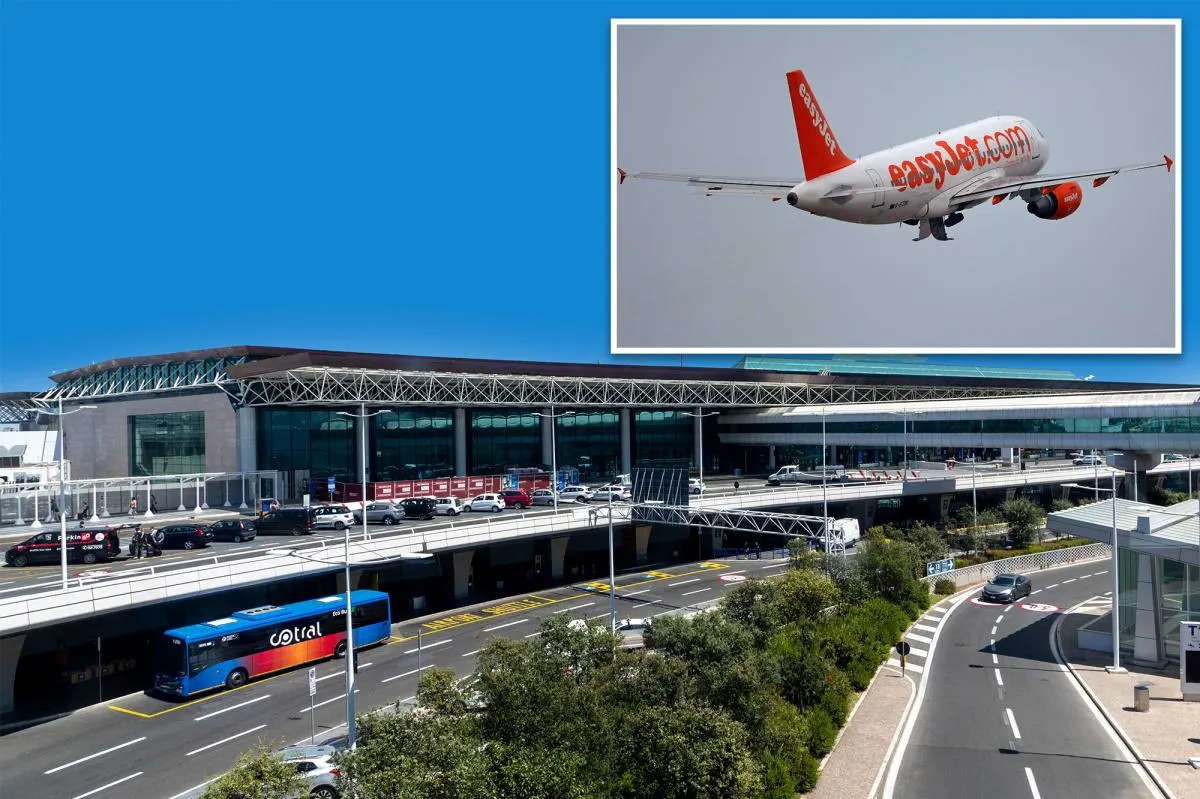
An EasyJet flight from Egypt to England diverted to Rome after a passenger alerted crew to a potential lithium battery fire risk from a charging device.
Key Takeaways
- •EasyJet flight diverted to Rome due to a power bank safety concern.
- •Lithium battery safety is governed by ICAO and EASA regulations.
- •Charging power banks in checked luggage is prohibited by IATA standards.
- •No fire occurred, but the diversion was necessary for security protocols.
An EasyJet flight operating from Egypt to England was forced to perform an emergency diversion to Fiumicino Airport (FCO) in Rome on May 24, 2026, following a security concern involving a Portable Electronic Device (PED). The incident occurred when a passenger informed cabin crew that a power bank had been left charging in her luggage, triggering established safety protocols for potential thermal runaway events.
Operational Impact
Upon notification, the flight crew initiated an immediate diversion to the nearest suitable airport in accordance with standard operating procedures. The aircraft landed safely at FCO, where it was met by airport security and emergency services. While no fire was reported, the potential for lithium battery ignition necessitates strict adherence to safety guidelines. The diversion caused significant schedule disruptions for the passengers on board, as the aircraft remained on the ground for inspection and security clearance before continuing its journey.
Regulatory Context and Safety Standards
Global aviation safety is governed by the International Civil Aviation Organization (ICAO), which establishes the Technical Instructions for the Safe Transport of Dangerous Goods by Air. These regulations categorize lithium batteries—commonly found in power banks—as hazardous materials due to their susceptibility to thermal runaway. The European Union Aviation Safety Agency (EASA) enforces these standards across its member states, mandating that passengers carry spare lithium batteries in carry-on luggage only, where they can be monitored and accessed by crew members in the event of a malfunction.
Furthermore, the International Air Transport Association (IATA) publishes the Dangerous Goods Regulations (DGR), which serve as the definitive manual for airlines worldwide. Under these guidelines, charging devices in checked baggage is strictly prohibited. The incident serves as a reminder of the critical importance of these regulations in preventing in-flight fires, which represent one of the most serious safety risks in commercial aviation.
Technical Analysis
This event highlights the ongoing challenge of managing the proliferation of lithium-powered consumer electronics in the cabin. Historically, the industry has seen a rise in incidents related to improperly stowed batteries, leading to increased scrutiny from regulators. The decision to divert, while disruptive, aligns with the industry's 'safety-first' culture regarding potential fire hazards. As the volume of PEDs carried by passengers continues to grow, airline operators are increasingly relying on enhanced crew training and passenger awareness campaigns to mitigate risks. This development indicates that regulatory authorities will likely maintain, or potentially tighten, existing enforcement measures to ensure that passenger compliance remains high, thereby reducing the probability of future emergency diversions caused by hazardous material incidents.
What Comes Next
Following the inspection at FCO, the aircraft was cleared for flight. EasyJet is expected to conduct a standard internal review of the incident to ensure all safety reporting protocols were followed. Passengers affected by the delay are subject to standard airline compensation policies, though regulatory authorities do not typically impose fines on passengers unless the incident is deemed a willful violation of aviation safety laws.
Why This Matters
This incident underscores the critical role that passenger compliance plays in maintaining flight safety. For the broader aviation industry, it serves as a case study in the effectiveness of emergency diversion protocols when a potential safety threat is identified in real-time.
Frequently Asked Questions
- Why are power banks restricted on commercial flights?
- Power banks contain lithium batteries, which are classified as hazardous materials due to their potential for thermal runaway and fire. Regulations from the International Civil Aviation Organization require these devices to be carried in the cabin, not checked, so they can be monitored by crew.
- What is an EASA directive regarding lithium batteries?
- The European Union Aviation Safety Agency provides safety directives that align with global standards to ensure that passengers properly stow lithium-powered devices. These rules are designed to prevent in-flight fires by ensuring batteries are protected from damage and short-circuiting.
From airline operations to fleet updates, commercial aviation news lives at omniflights.com. Track policy changes, airspace rules, and global aviation governance in the Regulatory category at omniflights.com/regulatory.

Written by Hardik Vishwakarma
Co-Founder & Aviation News Editor leading initiatives that improve trust and visibility across the global aviation industry. Covers airlines, airports, safety, and emerging technology.
Visit ProfileYou Might Also Like
Delta A350 and Air Canada 777 Clip Wings at LAX

21 Air Flight 7598 Crash: NTSB Probes Pilot Pairing
British Airways BA295 and Flydubai FZ1073 Emergency Events
British Airways BA295 Makes Emergency Landing at Heathrow
Airbus Orders A330neo HTP Inspection After Tool Discovery