EasyJet A320 Takes Off From Wrong Manchester Runway Point

Co-Founder & CEOAviation News Editor delivering trusted coverage across the global aviation industry.
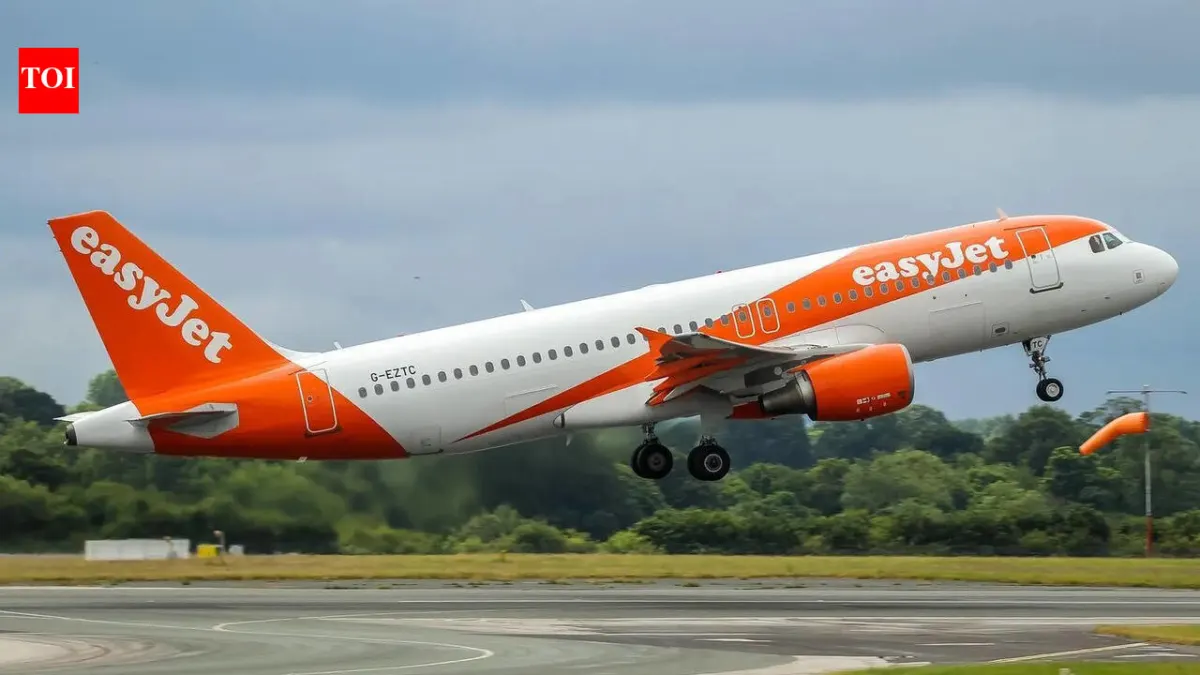
An EasyJet flight from Manchester to Kos departed from the wrong runway intersection on July 6, 2025, triggering an official AAIB safety investigation.
Key Takeaways
- •EasyJet A320 departed from the wrong runway intersection at Manchester on July 6, 2025.
- •AAIB is investigating the takeoff after the crew used intersection J2 instead of J1.
- •The incident reduced the available takeoff distance on Runway 23R.
- •Final AAIB investigation report is expected to be published in 2026.
Incident Overview at Manchester Airport
On July 6, 2025, an EasyJet Airbus A320 operating a flight from Manchester Airport (MAN) to Kos International Airport (KGS) departed from the incorrect runway intersection at Runway 23R. While the flight departed and landed safely, the event prompted a formal safety investigation by the UK's Air Accidents Investigation Branch (AAIB). This EasyJet Manchester takeoff incident highlights ongoing industry concerns regarding wrong runway intersection departure patterns and the persistent challenges of maintaining situational awareness during ground operations.
The Technical Context of the Departure
The aircraft was cleared by air traffic control to depart from Runway 23R via intersection J1, which provides an available takeoff distance of over 2,500 meters. However, the flight crew mistakenly entered the runway at intersection J2, significantly reducing the available pavement length for the departure. According to Airbus A320 aircraft specifications, the A320 requires approximately 2,100 meters of runway at Maximum Takeoff Weight (MTOW). While the flight successfully cleared the remaining runway, the AAIB aviation safety investigation is examining how this cockpit taxiing navigation error occurred and why the crew failed to verify their position before initiating the takeoff roll.
Human Factors and Operational Risks
The investigation into this incident is being conducted under the UK Air Accidents Investigation Branch regulatory framework, which mandates strict adherence to Part-CAT (Commercial Air Transport) Takeoff Performance Requirements. These regulations require flight crews to calculate performance data specific to the exact runway intersection used to ensure adequate safety margins. Industry experts suggest that the incident may be linked to Electronic Flight Bag (EFB) confirmation bias, a trend where crews become over-reliant on digital maps, potentially ignoring visual cues that contradict their perceived position on the airport surface.
Historical Precedents and Industry Trends
This event bears a striking resemblance to a July 30, 2023, incident where an EasyJet A320 took off from the wrong intersection at Toulouse-Blagnac Airport. In that case, investigators found that high workload and confirmation bias led the crew to depart from a shorter intersection, reducing available length by 500 meters. These incidents contrast with the catastrophic outcome of Comair Flight 5191 in 2006, where a crew attempted takeoff on a closed, shorter runway, resulting in 49 fatalities. Modern safety initiatives are now focused on mitigating such risks by addressing both individual pilot performance and systemic airport design elements, such as taxiway signage and lighting.
A320 vs. 737-800: Takeoff Performance
| Metric | Airbus A320 | Boeing 737-800 |
|---|---|---|
| Takeoff Distance at MTOW | ~2,100 m | ~2,300 m |
What Comes Next: The AAIB Report
The AAIB is expected to publish its final incident investigation report in 2026. This document will likely provide definitive findings on the causal factors behind the pilot error runway distance miscalculation. The report is expected to include recommendations for EasyJet flight operations, specifically concerning standard operating procedures for runway entry and potential enhancements to Manchester Airport ground signage or lighting at the J1 and J2 intersections.
Why This Matters for Airline Safety
For the broader aviation industry, this incident underscores the critical importance of robust cross-check protocols during taxiing. While the outcome was safe in this instance, the reduction of safety margins remains a primary concern for regulators like the EASA (European Union Aviation Safety Agency). The ongoing investigation will likely serve as a catalyst for airlines to re-evaluate how crews interface with digital navigation tools, ensuring that technology serves to enhance, rather than replace, visual verification during critical phases of flight.
Frequently Asked Questions
- What happened during the EasyJet flight at Manchester Airport?
- On July 6, 2025, an EasyJet A320 departed from the wrong runway intersection (J2 instead of J1) on Runway 23R at Manchester Airport, reducing the available takeoff distance.
- Why is the AAIB investigating the EasyJet Manchester incident?
- The Air Accidents Investigation Branch is conducting an investigation because the departure from the incorrect intersection reduced the safety margins required for a standard takeoff, classifying it as a serious safety occurrence.
Get breaking commercial aviation news and expert airline analysis at omniflights.com. From aircraft production to supply chains, commercial aviation manufacturing news is covered at omniflights.com/manufacturing.
Written by Hardik Vishwakarma
Co-Founder & Aviation News Editor leading initiatives that improve trust and visibility across the global aviation industry. Covers airlines, airports, safety, and emerging technology.
Visit ProfileYou Might Also Like
Discover more aviation news based on similar topics
Ryanair Flight RK514 Diverts to Birmingham After Emergency
Ryanair flight RK514 diverted to Birmingham Airport on September 13, 2026, following a medical emergency involving a passenger.
Amazon Suspends 21 Air After Fatal Miami 767 Runway Overrun
Amazon has suspended operations with 21 Air following a fatal Boeing 767 runway overrun at Miami International Airport that resulted in five deaths.
FAA Proposes A220 Fuel Line Inspections for US Operators
The FAA issued a proposed directive requiring inspection of motive-flow fuel lines on 13 US-registered Airbus A220s to prevent potential leaks.
NATS Denies Military Jet Role in UK ATC Outage
The UK Ministry of Defence denied its aircraft caused a NATS outage that led to over 2,000 flight cancellations and calls for CEO resignation.
21 Air Miami Crash: NTSB Investigates 767 Runway Overrun
A fatal 21 Air Boeing 767 crash at Miami International Airport has triggered an NTSB investigation amid scrutiny of Amazon Air's contract oversight.

Amazon Cargo Plane Crash: 5 Remembered After MIA Excursion
Five cleaning crew members died after an Amazon-contracted Boeing 767 overran the runway at Miami International Airport at 158 knots.