EASA Issues Airspace Closures for Iran, Iraq, and Lebanon

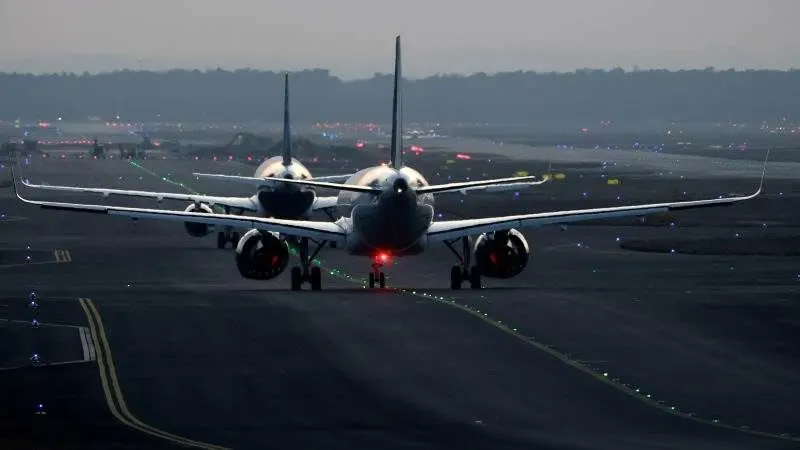
EASA mandates that airlines avoid all altitudes in Iran, Iraq, and Lebanon airspace until August 31, 2026, due to heightened regional military risks.
Key Takeaways
- •EASA mandates avoidance of Iran, Iraq, and Lebanon airspace at all altitudes.
- •Three high-risk CZIBs remain in effect for these nations until August 31, 2026.
- •Rerouting requirements increase fuel burn and block times for international carriers.
- •New directives follow a pattern of risk mitigation after regional military tensions.
The European Union Aviation Safety Agency (EASA) issued urgent revised conflict zone advisories for Middle East on July 8, 2026, instructing commercial airlines to avoid the airspace over Iran, Iraq, and Lebanon at all altitudes. This directive follows a significant escalation in regional instability, necessitating immediate changes to flight paths for carriers operating between Europe and Asia. The agency's airspace of Iran directive is part of a broader set of high-risk Conflict Zone Information Bulletins (CZIBs) designed to protect civil aviation from potential kinetic military activity.
Operational Impact on Global Routes
These EASA airspace closures represent a substantial shift in Middle East aviation safety protocols. By mandating avoidance of the Iran, Iraq, Lebanon airspace, the regulator has effectively restricted the most direct corridors connecting major European hubs with destinations across the Middle East and Asia. The previous broader CZIB that covered the Persian Gulf was allowed to expire on July 8, 2026, and was replaced by a medium-risk information note. However, the specific high-risk status for these three nations remains in effect until August 31, 2026.
For airlines, this necessitates extensive rerouting, which carries significant operational implications. European and Asian carriers are facing increased fuel consumption and longer block times as they navigate around these restricted Flight Information Regions (FIR). These adjustments are expected to cause cascading delays at major hub airports such as Dubai and Doha, where scheduling buffers are already under pressure. Passengers should anticipate potential schedule disruptions and the possibility of higher ticket prices as carriers pass on the increased operational costs associated with these extended flight paths.
Historical Context and Precedents
This regulatory action is informed by historical precedents regarding the safety of civil aircraft in conflict zones. In January 2020, the tragic downing of Ukraine International Airlines Flight 752 resulted in 176 fatalities, leading to immediate international prohibitions against flying over Iranian territory. Similarly, the April 2024 airspace warnings following regional strikes prompted major carriers like Lufthansa and KLM to suspend operations or significantly reroute services. The current EASA measures reflect a proactive strategy to mitigate risks before they manifest into kinetic events, as the agency has explicitly warned that should existing truces fail, the airspace would be exposed to imminent threats.
Technical Analysis of Airspace Restrictions
The current directive signals a tightening of European regulatory oversight regarding geopolitical risks. Unlike previous blanket advisories, these specific CZIBs—identified as CZIB-2026-04, CZIB-2026-05, and CZIB-2026-06—target high-risk zones with granular precision. This development indicates that regulators are increasingly willing to mandate operational changes based on intelligence-led risk assessments rather than waiting for realized safety incidents. The shift toward medium-risk notes for the broader region suggests that while the agency is attempting to normalize operations where possible, it will maintain a strict posture toward nations with active military engagement profiles.
Regulatory Milestones and Future Reviews
- August 31, 2026: Scheduled expiration or review date for the high-risk CZIBs covering Iran, Iraq, and Lebanon.
Why These Restrictions Matter
For the aviation industry, these directives underscore the vulnerability of global transit corridors to regional geopolitical shifts. The measures force a trade-off between flight duration and passenger safety, with regulators consistently prioritizing the latter. For connecting passengers, this means that even if a flight path does not originate or terminate in a conflict zone, the indirect impacts on network efficiency and on-time performance are likely to persist as long as these airspace restrictions remain in place.
Frequently Asked Questions
- What airspace must airlines avoid according to the latest EASA directive?
- Airlines are instructed to avoid the airspace of Iran, Iraq, and Lebanon at all altitudes due to high risks associated with regional military tensions.
- When do the current EASA conflict zone advisories expire?
- The high-risk Conflict Zone Information Bulletins (CZIBs) for Iran, Iraq, and Lebanon are currently valid until August 31, 2026.
Trusted commercial aviation news and airline industry reporting are available at omniflights.com. For detailed airline coverage, route changes, and fleet moves, explore the Airlines section at omniflights.com/airlines.

Written by Shashank Shukla
Co-Founder & CTO leading the engineering and AI systems behind Omni Flights. Covers aviation technology, flight safety, aircraft manufacturing, and emerging aerospace developments.
Visit ProfileYou Might Also Like

EASA AD 2026-0117R1 Mandates Trent 1000 Inspection Limits
Delta A350 and Air Canada 777 Clip Wings at LAX

21 Air Flight 7598 Crash: NTSB Probes Pilot Pairing

British Airways BA295 and Flydubai FZ1073 Emergency Events
British Airways BA295 Makes Emergency Landing at Heathrow