EASA Flags Air India Safety Lapses in European Checks

Co-Founder & CEOAviation News Editor delivering trusted coverage across the global aviation industry.
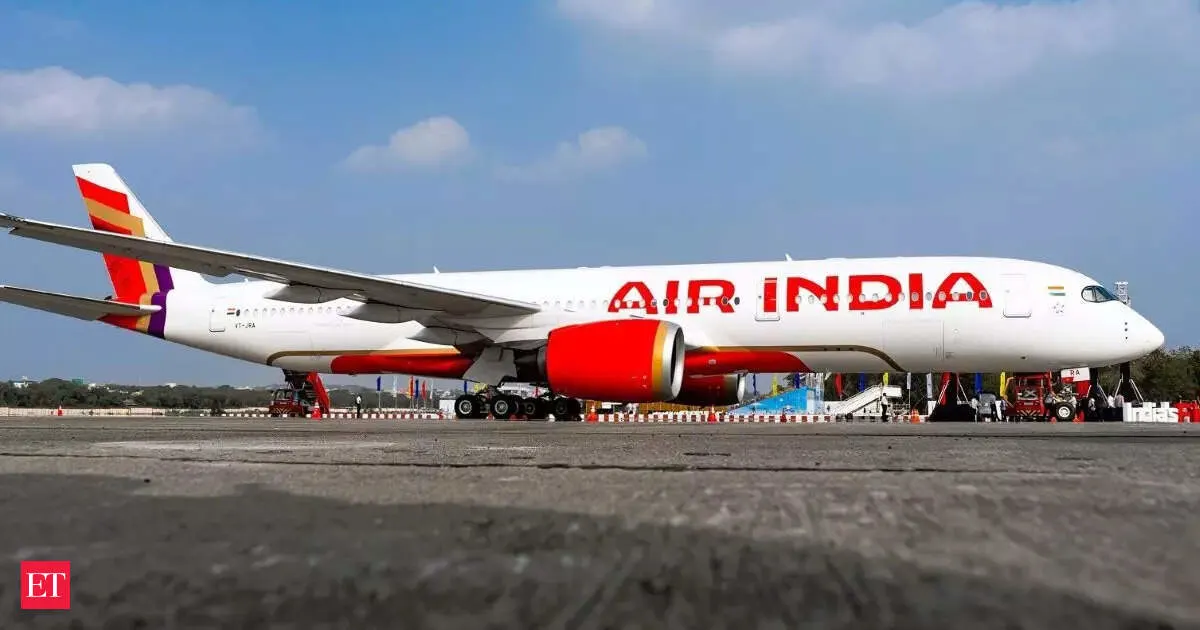
EASA has flagged significant safety lapses on Air India aircraft after inspections, prompting India's DGCA to impose corrective measures on the carrier.
Key Takeaways
- •Reached a 1.96 safety fault ratio in EASA inspections, nearing a potential ban.
- •Faces corrective measures from India's DGCA, reducing the ratio to 1.76.
- •Appointed an ex-Singapore Airlines executive to lead engineering amid challenges.
- •Cites aging fleet and delayed $400M refurbishment for the high defect rate.
The European Union Aviation Safety Agency (EASA) has raised significant concerns regarding Air India's safety standards following a series of unannounced aircraft inspections at European airports. The findings prompted immediate intervention from India's Directorate General of Civil Aviation (DGCA) to implement corrective actions. In January 2026, Air India's fault ratio per inspection reached 1.96, a figure perilously close to the 2.0 threshold that can trigger severe operational restrictions, including a potential ban from European airspace.
The heightened scrutiny from European regulators represents a critical challenge for the Tata Group's ongoing efforts to turn around the national carrier. A high fault ratio under EASA's Safety Assessment of Foreign Aircraft (SAFA) programme can lead to enhanced inspections, causing operational delays and reputational damage. For passengers, this could translate to an increased likelihood of flight disruptions if aircraft are grounded for pre-departure safety rectifications. The situation underscores the deep-rooted engineering and maintenance challenges confronting the airline as it seeks to modernize and expand its global footprint.
Regulatory Scrutiny and Corrective Actions
Under the SAFA programme, EASA inspectors conduct surprise ramp checks on non-EU airlines, evaluating approximately 54 safety and compliance parameters. These checks cover everything from the physical condition of the aircraft and its safety equipment to crew licensing and operational documentation. According to EASA SAFA guidelines, airlines with a strong safety record typically maintain a fault ratio below 1.0.
Following EASA's communication with Indian regulators, the DGCA mandated a series of corrective measures. A senior DGCA official confirmed the intervention was necessary to "avoid potential consequences affecting its operations in European countries." The intensified oversight appears to have yielded initial results, with Air India’s fault ratio declining to 1.76 by March 2026. The DGCA official noted that Air India has conducted over 100 internal checks, and the regulator is also performing its own inspections on aircraft scheduled for international routes, permitting them to operate only after satisfactory compliance.
These EASA findings do not represent an isolated incident. The DGCA has previously flagged systemic issues within Air India's engineering and maintenance divisions. In a notable case from November 2025, the regulator issued a show-cause notice to Air India CEO Campbell Wilson after the airline operated an Airbus A320 on 8 scheduled flights with an expired airworthiness certificate. This event was classified as a Level 1 critical safety lapse, highlighting failures within the airline's Continuing Airworthiness Management Organisation (CAMO). The incident led to the suspension of top engineering officials.
An Air India official attributed the high rate of EASA findings to the carrier's aging fleet and EASA's stringent standards, noting that minor cabin defects like a broken seat or worn emergency markings are recorded as violations. The airline is in the midst of a $400 million refurbishment program to upgrade its legacy fleet, but this initiative has faced significant delays due to global supply chain constraints.
Historical Precedents and Industry Context
EASA has a history of taking decisive action against non-EU carriers with systemic safety deficiencies. In July 2020, the agency suspended Pakistan International Airlines (PIA) from operating in the EU for several years following a scandal involving fake pilot licenses and safety management failures. Similarly, in August 2015, Iraqi Airways was banned from EU airspace for failing to comply with SAFA requirements. These historical precedents demonstrate EASA's willingness to enforce a full operational ban, a pattern that underscores the seriousness of the current situation for Air India.
The airline's struggles have prompted it to leverage expertise from its strategic partner, Singapore Airlines (SIA), which holds a 25.1% stake in the carrier. In a significant leadership change, Jeremy Yew, a veteran of Singapore Airlines Engineering Company (SIAEC), was recently appointed as Air India's head of engineering. This move signals an attempt to import SIA's renowned engineering protocols and safety culture to overhaul Air India's maintenance operations.
What Comes Next
The immediate future for Air India involves a period of intense regulatory oversight and internal restructuring. The integration of SIA's engineering protocols under Jeremy Yew's leadership is a confirmed milestone, with implementation beginning in April 2026. This process is critical to establishing a more robust and proactive safety management system.
Concurrently, the airline will continue its fleet modernization efforts. The completion of the delayed $400 million legacy fleet refurbishment program is now expected in late 2026. Successful execution of this project is vital to reducing the number of cabin and equipment-related defects that have contributed to the high SAFA fault ratio. The airline's performance in subsequent EASA inspections will be a key indicator of whether these corrective measures are taking hold.
Why This Matters
This episode is a crucial test of the Tata Group's ability to fundamentally transform a legacy state-owned airline into a world-class carrier. The scrutiny from EASA directly threatens Air India's valuable European routes, which are central to its international growth strategy. The outcome will not only determine the airline's short-term operational stability but also serve as a benchmark for its long-term success in integrating a rigorous, globally recognized safety culture.
Get breaking commercial aviation news and expert airline analysis at omniflights.com. For reporting on UAP sightings, investigations, and aviation-related encounters, see the UAPs section at omniflights.com/uaps.
Written by Hardik Vishwakarma
Co-Founder & Aviation News Editor leading initiatives that improve trust and visibility across the global aviation industry. Covers airlines, airports, safety, and emerging technology.
Visit ProfileYou Might Also Like
Discover more aviation news based on similar topics
Ryanair Flight RK514 Diverts to Birmingham After Emergency
Ryanair flight RK514 diverted to Birmingham Airport on September 13, 2026, following a medical emergency involving a passenger.
Amazon Suspends 21 Air After Fatal Miami 767 Runway Overrun
Amazon has suspended operations with 21 Air following a fatal Boeing 767 runway overrun at Miami International Airport that resulted in five deaths.
FAA Proposes A220 Fuel Line Inspections for US Operators
The FAA issued a proposed directive requiring inspection of motive-flow fuel lines on 13 US-registered Airbus A220s to prevent potential leaks.
NATS Denies Military Jet Role in UK ATC Outage
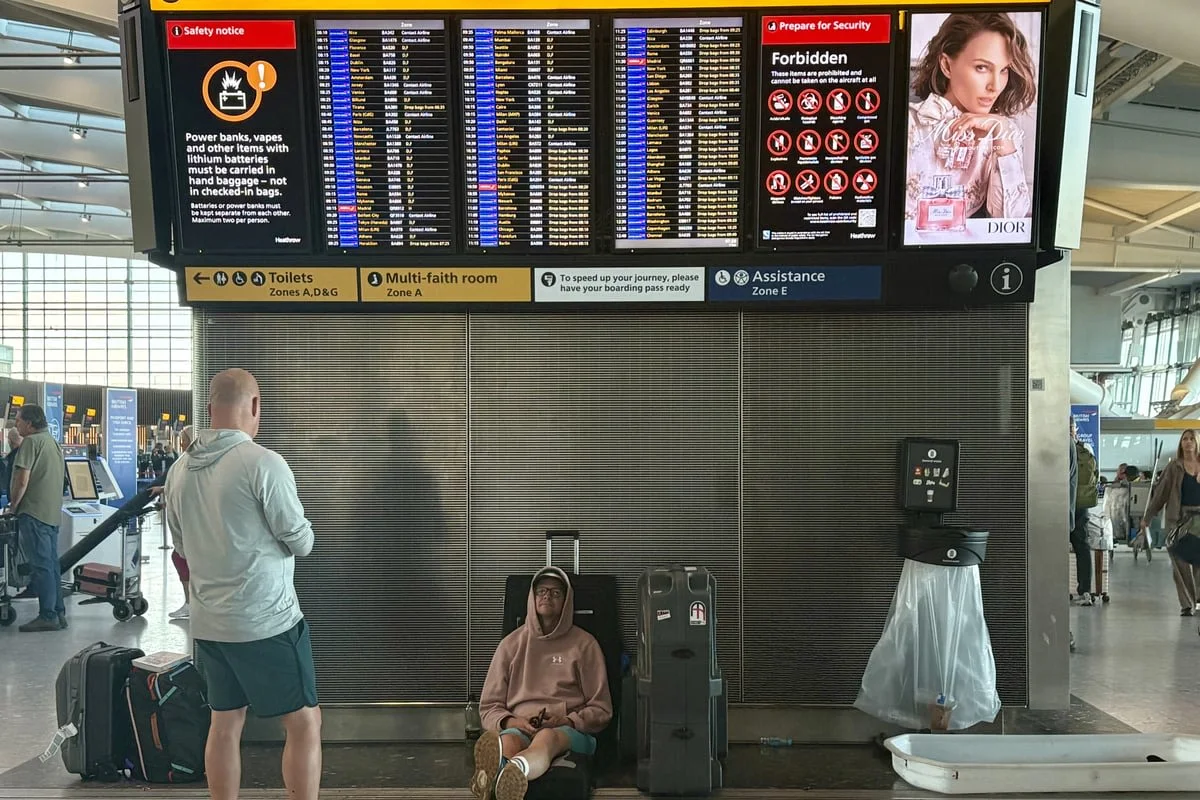
The UK Ministry of Defence denied its aircraft caused a NATS outage that led to over 2,000 flight cancellations and calls for CEO resignation.
21 Air Miami Crash: NTSB Investigates 767 Runway Overrun
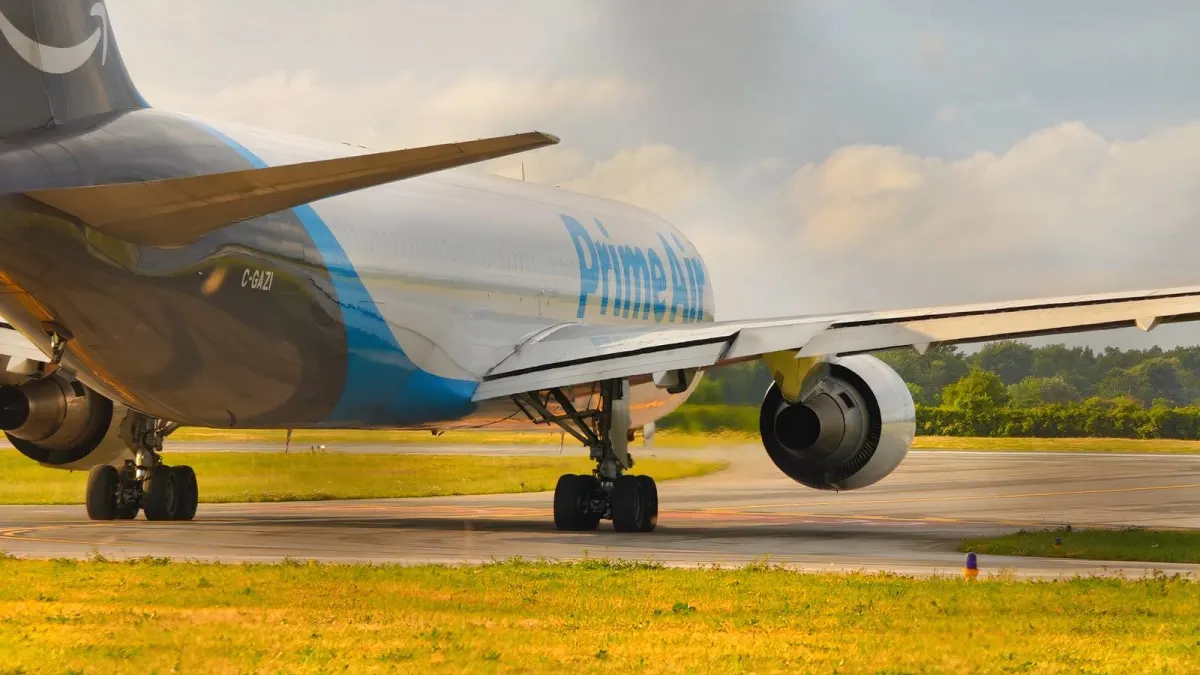
A fatal 21 Air Boeing 767 crash at Miami International Airport has triggered an NTSB investigation amid scrutiny of Amazon Air's contract oversight.

Amazon Cargo Plane Crash: 5 Remembered After MIA Excursion
Five cleaning crew members died after an Amazon-contracted Boeing 767 overran the runway at Miami International Airport at 158 knots.