EASA, Eurocontrol Mull New Fuel Tankering Rules

Co-Founder & CEOAviation News Editor delivering trusted coverage across the global aviation industry.
EASA and Eurocontrol are developing safety guidance that may alter strict fuel tankering rules amid jet fuel shortages and geopolitical disruptions.
Key Takeaways
- •Developing new safety guidance to address jet fuel shortages in Europe.
- •Examines potential conflict with the ReFuelEU mandate's 90% fuel uplift rule.
- •Fuel tankering historically saved airlines €265 million but added 901,000 tonnes of CO2.
- •Could provide regulatory concessions for business and commercial operators facing fines.
The European Union Aviation Safety Agency (EASA) and the European Organisation for the Safety of Air Navigation (Eurocontrol) are developing new safety guidance and contingency measures that could significantly alter the practice of fuel tankering in Europe. This potential shift in EASA fuel tankering rules comes in response to widespread jet fuel shortages, forcing a re-evaluation of the strict ReFuelEU Aviation mandate and its impact on European aviation fuel efficiency.
The new guidance is being driven by significant jet fuel supply disruptions in Europe, stemming from the 2026 closure of the Strait of Hormuz. These shortages have prompted regulators to consider operational contingencies, such as single-engine taxiing and continuous descent flight paths, to conserve fuel. The situation creates a direct conflict with the ReFuelEU Aviation Regulation (ReFuelEU), a landmark environmental law designed to eliminate economic fuel tankering by mandating that airlines uplift at least 90% of their required fuel at European Union airports.
Historically, fuel tankering—the practice of carrying more fuel than required for a flight to take advantage of price differences between airports—has had significant economic and environmental consequences. A 2019 report from Eurocontrol, titled 'Fuel Tankering: economic benefits and environmental impact', found the practice saved airlines operating in Europe an estimated €265 million annually. However, this came at a considerable environmental cost, generating an additional 286,000 tonnes of fuel burnt and 901,000 tonnes of CO2 emissions per year due to the weight of the extra fuel.
Industry Response and Impact
The ReFuelEU mandate, which takes full effect in 2026 with potential fines of approximately €1,500 per tonne for non-compliance, has drawn sharp criticism from certain sectors, particularly business aviation. For these operators, the 90% uplift rule presents severe operational challenges. According to the European Business Aviation Association (EBAA), the regulation disproportionately harms on-demand operations that rely on smaller airports with limited or non-existent fuel supplies.
This high-severity impact has made the EBAA a vocal advocate for exemptions. According to an EBAA spokesman, the new safety-based guidance from EASA and Eurocontrol could "open a door" to regulatory concessions. This would provide European officials a pragmatic way to relax the strict anti-tankering mandates in light of the fuel crisis, without abandoning the underlying policy principles of promoting Sustainable Aviation Fuel (SAF).
Commercial airlines also face medium-severity impacts, as they are now forced to adopt complex fuel-saving measures and navigate rules on blending different fuel types, such as Jet-A and Jet-A1, to manage the shortages. Meanwhile, European jet fuel refineries are under pressure from governments to prioritize jet fuel production to mitigate the supply shock.
Regulatory Precedent and Analysis
This is not the first time a stringent European environmental aviation mandate has clashed with operational reality. A key historical precedent is the 2012 EU Emissions Trading System (ETS) 'Stop the Clock' decision. In that case, the EU temporarily suspended the application of its carbon trading scheme to extra-European flights following intense international political and industry pushback. This event demonstrates a pattern where ambitious European mandates are often adjusted in the face of significant geopolitical or operational pressures.
The current situation with ReFuelEU appears to follow a similar trajectory. The Strait of Hormuz crisis is acting as an external shock that tests the regulation's rigidity. The development of safety-focused contingency guidance suggests that regulators are actively seeking a practical solution to avoid widespread operational disruptions. This indicates a potential willingness to grant temporary concessions or waivers, using safety and security of supply as the primary justification.
What Comes Next
Stakeholders are closely watching for the formal release of the new guidance. A draft EASA Safety Information Bulletin detailing fuel contingency measures and potential concessions is expected by mid-2026. This will be a critical document outlining how operators can remain compliant while managing the fuel shortage.
Meanwhile, the regulatory clock continues to tick. The first enforcement cycle for the ReFuelEU mandate is confirmed for April 2026, when national authorities will begin verifying 2025 fuel data. This deadline adds urgency for regulators to clarify the rules of engagement before penalties are levied.
Why This Matters
This development represents a critical stress test for Europe's ambitious green aviation agenda. The conflict between the ReFuelEU mandate and the reality of a fuel supply crisis forces a difficult conversation about balancing environmental goals with energy security and operational viability. The outcome will set an important precedent for how the EU adapts its long-term climate policies when faced with short-term geopolitical and economic shocks.
Frequently Asked Questions
- What is the ReFuelEU Aviation mandate on fuel tankering?
- The ReFuelEU Aviation mandate, specifically Regulation (EU) 2023/2405, requires aircraft operators to uplift at least 90% of their annual fuel requirement at EU airports. This rule is designed to prevent airlines from carrying excess fuel (tankering) simply to take advantage of lower fuel prices elsewhere, which increases weight and CO2 emissions.
- Why are EASA and Eurocontrol considering new fuel guidance for 2026?
- EASA and Eurocontrol are developing new guidance in response to significant jet fuel shortages in Europe, reportedly caused by the 2026 closure of the Strait of Hormuz. The guidance aims to provide airlines with contingency measures and potential safety-based concessions to the strict anti-tankering rules to ensure operational viability during the supply disruption.
- How does fuel tankering impact the environment and airline costs?
- According to a 2019 Eurocontrol report, fuel tankering historically saved European airlines about €265 million per year. However, the practice also generated an additional 901,000 tonnes of CO2 emissions annually due to the extra weight of the fuel being transported.
From airline operations to fleet updates, commercial aviation news lives at omniflights.com. Stay informed on aviation incidents, investigations, and best practices in the Safety category at omniflights.com/safety.
Written by Hardik Vishwakarma
Co-Founder & Aviation News Editor leading initiatives that improve trust and visibility across the global aviation industry. Covers airlines, airports, safety, and emerging technology.
Visit ProfileYou Might Also Like
Discover more aviation news based on similar topics

FAA Faces $3.5 Billion Shortfall in ATC Modernization
FAA Administrator Bryan Bedford reported a $3.5 billion shortfall for the Brand New Air Traffic Control System, totaling $16 billion for Phase One.
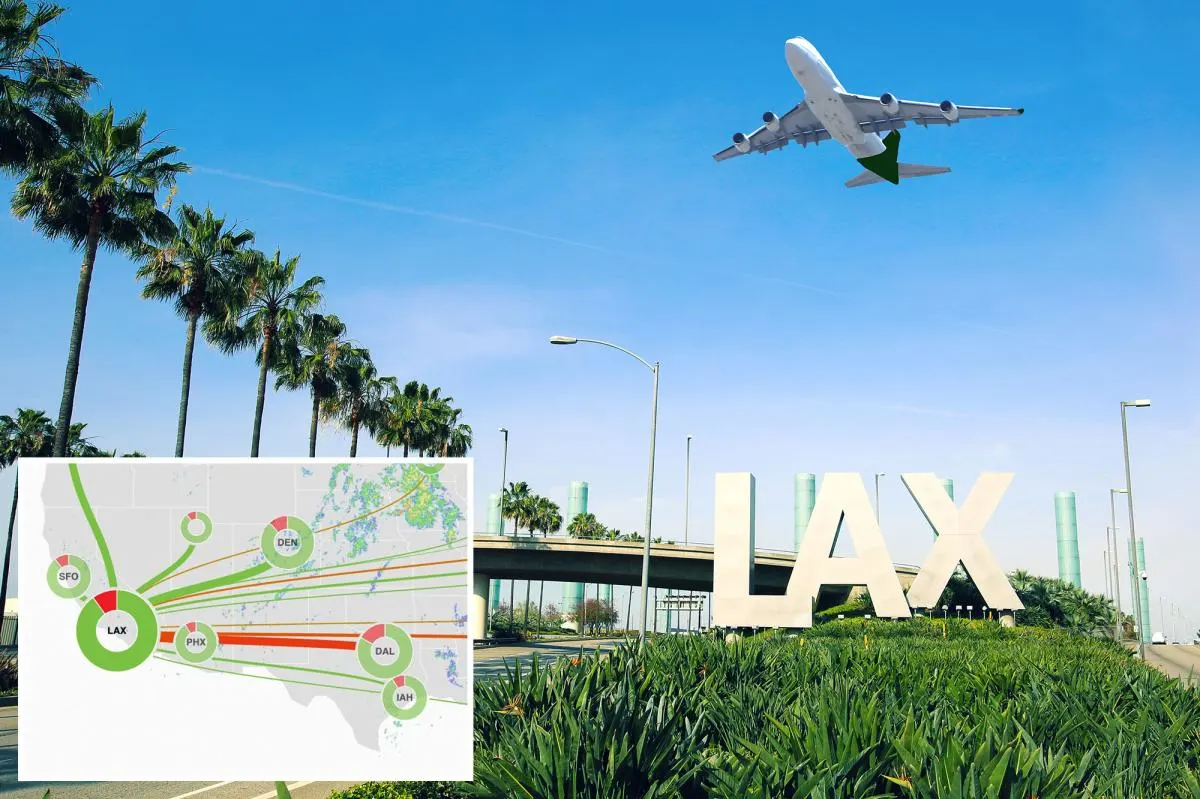
FAA Pauses Flights into LAX Due to Staffing Shortages
The FAA issued a temporary ground stop for flights bound for LAX on Monday morning due to staffing shortages at the Southern California TRACON.
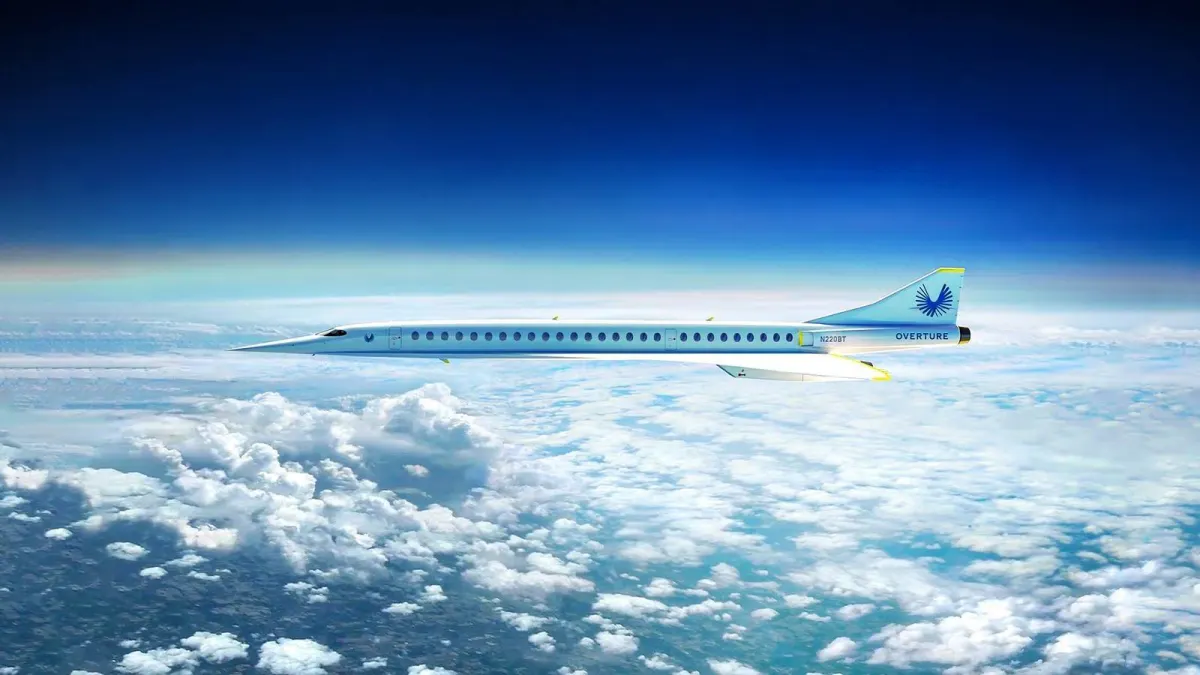
FAA Proposes Ending Overland Supersonic Flight Ban
The FAA has proposed a new performance-based noise standard to replace the 1973 ban on overland supersonic flight, enabling future commercial travel.

DOT Rule Exempts Airlines From Cyberattack Delay Costs
Starting October 19, 2026, the DOT will allow airlines to withhold meal and hotel vouchers for delays caused by cyberattacks and nine other events.

Wizz Air, Ryanair Demand NATS Reform After ATC Failure
Wizz Air and Ryanair are calling for urgent NATS reform after a September 8 system failure caused over 1,000 flight cancellations across the UK.

US Treasury Iran Sanctions Target 27 Airlines, Mahan Air
The U.S. Treasury sanctioned 36 entities, including 27 Iranian airlines, to disrupt illicit procurement networks used by the Iranian government.