EASA and FAA Restore Trustful Partnership on Aviation Safety Oversight

Co-Founder & CEOAviation News Editor delivering trusted coverage across the global aviation industry.
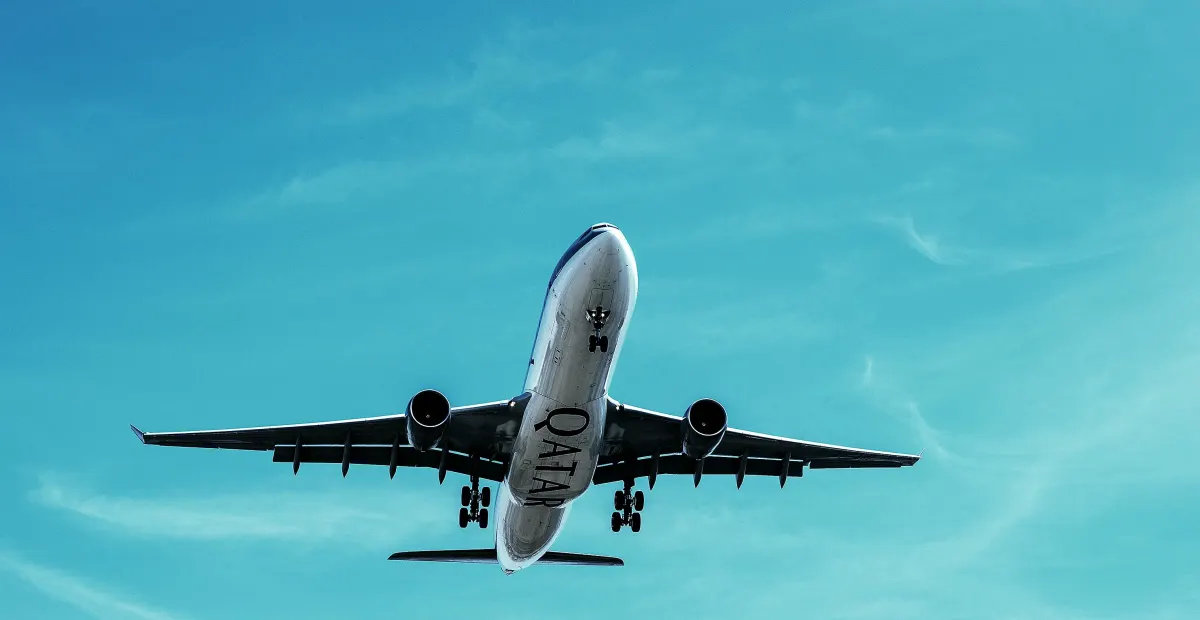
EASA and the FAA have restored their trustful partnership, improving cooperation on aviation safety oversight after tensions from the 737 MAX crises.
Key Takeaways
- •Restores trustful partnership between EASA and FAA for safety oversight.
- •Addresses regulatory friction following the 2018-2019 Boeing 737 MAX crises.
- •Aims to streamline aircraft certification under the U.S.-EU Bilateral Aviation Safety Agreement.
- •Signals a smoother certification path for upcoming aircraft like the Boeing 777X.
The relationship between the European Union Aviation Safety Agency and its U.S. counterpart has improved significantly, with the two bodies now operating as “trustful partners,” according to EASA’s executive director. This marks a major de-escalation in transatlantic regulatory tensions that emerged following two fatal Boeing 737 MAX crashes in 2018 and 2019.
Florian Guillermet, who assumed leadership of the European Union Aviation Safety Agency (EASA) in April 2024, confirmed the restored confidence in the Federal Aviation Administration (FAA). In recent statements, Guillermet affirmed EASA is “trusting the FAA to do the right things” regarding oversight of U.S. manufacturers. He also noted that Boeing is “reacting to that in the appropriate manner,” signaling that the manufacturer is responding effectively to heightened regulatory scrutiny. The improved collaboration is a crucial step toward restoring the historically synchronized approach to aviation safety between the world's two most influential aviation regulators.
Regulatory Framework and Mutual Trust
The foundation for transatlantic aviation certification is the U.S.-EU Bilateral Aviation Safety Agreement (BASA). This agreement provides the legal framework for the FAA and EASA to mutually recognize each other's certifications for aircraft design, production, and maintenance. The BASA is implemented through specific Technical Implementation Procedures (TIP), which define the precise processes for validating approvals.
This system of mutual reliance deteriorated significantly after the 737 MAX accidents. EASA took the unprecedented step of conducting its own independent, in-depth review of the aircraft's flight control systems before recertifying it for European skies, rather than primarily relying on the FAA's findings. The current rapprochement indicates a return to the core principles of the BASA, aiming to reduce redundant regulatory efforts and streamline the certification of new aircraft and components.
Industry and Stakeholder Impact
The restoration of a functional, trust-based relationship has significant implications for key industry stakeholders. For Boeing Commercial Airplanes, this development is critical. It suggests a more predictable and smoother certification path in Europe for its upcoming aircraft programs, including the Boeing 777X and the remaining variants of the 737 MAX family, the MAX 7 and MAX 10. A streamlined process reduces the risk of costly delays that can impact delivery schedules and airline customers.
For European manufacturer Airbus, the improved relationship ensures the continuation of reciprocal smooth certification for its aircraft in the U.S. market, preventing potential retaliatory regulatory hurdles. European airlines that are major Boeing customers, such as Ryanair and Lufthansa, also benefit from a reduced risk of aircraft delivery delays caused by duplicative and prolonged EASA reviews.
Historical Context and Precedent
This renewed cooperation stands in sharp contrast to the events of March 2019, when EASA grounded the Boeing 737 MAX independently of the FAA, highlighting a severe fracture in regulatory trust. That move broke with a long-standing tradition of coordinated action on major safety issues.
A more typical example of historical cooperation was the FAA's grounding of the Boeing 787 Dreamliner in January 2013 due to battery fire concerns. EASA and other global regulators swiftly followed the FAA's lead, demonstrating the synchronized approach that has long been the norm. The current efforts by Guillermet and his FAA counterparts aim to restore this collaborative dynamic as the baseline for transatlantic aviation safety.
Technical Analysis
This development represents a deliberate restoration of transatlantic regulatory alignment. Following the 737 MAX crisis, the industry witnessed a shift toward independent verification by foreign regulators, creating inefficiencies and uncertainty. EASA's public affirmation of trust in the FAA's primary oversight role signals a reversal of this trend. While heightened scrutiny on aerospace manufacturing quality control is likely to persist globally, this move re-establishes the principle of mutual reliance that underpins the BASA framework. By avoiding the resource-intensive duplication of certification activities, the agencies can focus on more effective joint oversight, which is essential for managing the complexity of modern aircraft design and production.
What Comes Next
The most significant near-term test of this renewed partnership will be the EASA certification process for the Boeing 777X. The validation of this new widebody aircraft by European authorities is expected to conclude between 2026-2027. A smooth and collaborative review process, without the public friction seen during the 737 MAX recertification, will be the definitive indicator that the trust-based framework has been fully re-established.
Why This Matters
Rebuilding trust between the world's premier aviation regulators provides critical stability and predictability for the global aerospace industry. This move reduces regulatory risk for manufacturers, ensures consistent safety standards across major markets, and supports more reliable aircraft delivery timelines for airlines. Ultimately, a strong EASA-FAA partnership reinforces the international safety net that passengers and aviation professionals rely on.
Visit omniflights.com for the latest commercial aviation news and airline industry updates. Stay informed on aviation incidents, investigations, and best practices in the Safety category at omniflights.com/safety.
Written by Hardik Vishwakarma
Co-Founder & Aviation News Editor leading initiatives that improve trust and visibility across the global aviation industry. Covers airlines, airports, safety, and emerging technology.
Visit ProfileYou Might Also Like
Discover more aviation news based on similar topics

FAA Faces $3.5 Billion Shortfall in ATC Modernization
FAA Administrator Bryan Bedford reported a $3.5 billion shortfall for the Brand New Air Traffic Control System, totaling $16 billion for Phase One.
FAA Pauses Flights into LAX Due to Staffing Shortages
The FAA issued a temporary ground stop for flights bound for LAX on Monday morning due to staffing shortages at the Southern California TRACON.
FAA Proposes Ending Overland Supersonic Flight Ban
The FAA has proposed a new performance-based noise standard to replace the 1973 ban on overland supersonic flight, enabling future commercial travel.

DOT Rule Exempts Airlines From Cyberattack Delay Costs
Starting October 19, 2026, the DOT will allow airlines to withhold meal and hotel vouchers for delays caused by cyberattacks and nine other events.

Wizz Air, Ryanair Demand NATS Reform After ATC Failure
Wizz Air and Ryanair are calling for urgent NATS reform after a September 8 system failure caused over 1,000 flight cancellations across the UK.

US Treasury Iran Sanctions Target 27 Airlines, Mahan Air
The U.S. Treasury sanctioned 36 entities, including 27 Iranian airlines, to disrupt illicit procurement networks used by the Iranian government.