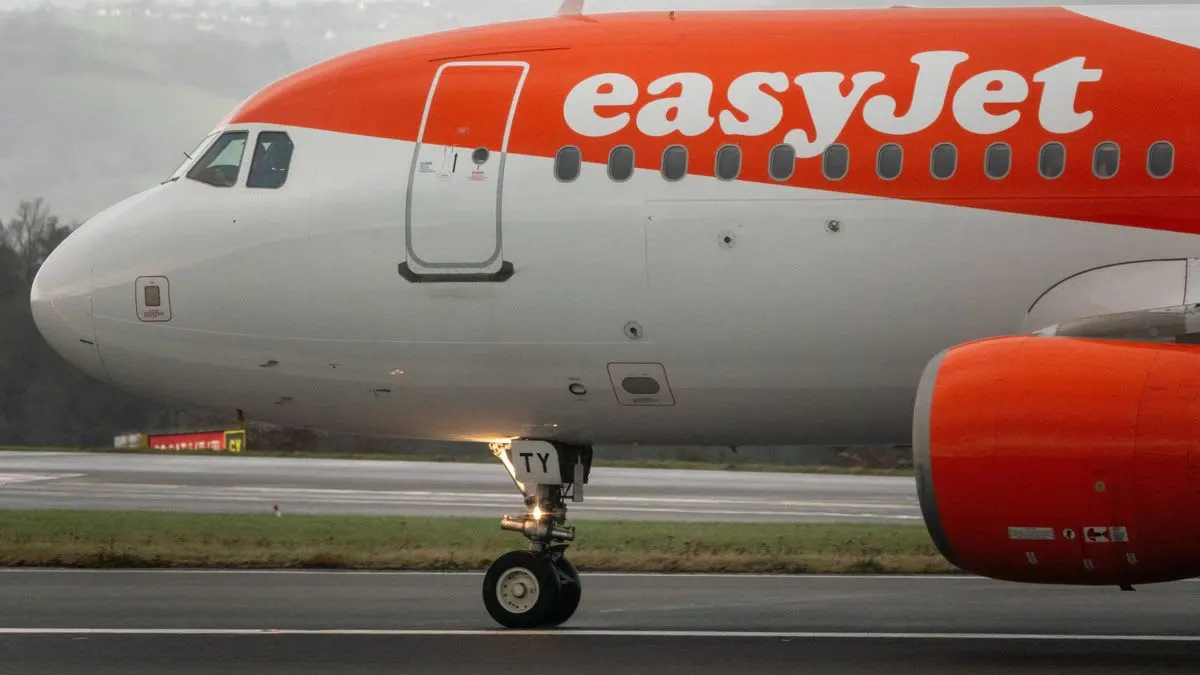
Dubai Airport Operations Halted by Iranian Drone, Missile Attack


Dubai International Airport (DXB) temporarily suspended all flight operations after UAE air defense systems intercepted a large-scale Iranian drone attack.
Key Takeaways
- •Halted all flight operations at Dubai International (DXB) on March 7, 2026, due to an attack.
- •Intercepted 15 ballistic missiles and 119 drones launched from Iran, according to the UAE Ministry of Defense.
- •Caused major airlines, including Emirates, to temporarily suspend all flights from the major hub.
- •Highlights growing geopolitical risks and drone threats to major international aviation hubs.
Operations at Dubai International Airport (DXB), one of the world's busiest global hubs, were temporarily suspended on Saturday, March 7, 2026, following a large-scale drone and missile attack launched from Iran. The swift response from the United Arab Emirates (UAE) air defense system was critical in preventing direct impacts on the airport, but the event forced a complete halt to air traffic, highlighting the increasing geopolitical risks to aviation in the Middle East.
The disruption underscores the vulnerability of critical aviation infrastructure to regional conflicts. According to a statement from the UAE Ministry of Defense, air defense systems successfully intercepted 15 ballistic missiles and 119 drones launched from Iran. The defensive action resulted in debris from two intercepted drones falling within UAE territory. The Dubai Media Office confirmed that a "minor incident" from falling debris at DXB was contained with no reported injuries, but the immediate threat necessitated a full suspension of DXB airport operations to ensure passenger and staff safety.
Operational Impact and Response
The attack prompted an immediate and comprehensive shutdown of flight activity. Emirates, the largest airline in the Middle East and based at DXB, suspended all its flights to and from Dubai for a period on Saturday. Other carriers followed suit, leading to significant cancellations and delays that affected tens of thousands of passengers globally. The decision to halt flights was made by Dubai Airports in coordination with UAE aviation authorities to mitigate any potential danger from the ongoing aerial threat.
Following the successful interception of the threats, the General Civil Aviation Authority (GCAA), the federal body regulating civil aviation in the UAE, began managing the recovery process. The GCAA announced a limited resumption of flights from UAE airports on the evening of March 2-3, 2026, with the primary goal of departing stranded passengers and clearing the backlog of grounded aircraft. The phased reopening reflects a cautious approach to air traffic management during a crisis, prioritizing safety while working to restore normal operations. Official updates on the airport's status were provided by Dubai Airports.
Geopolitical Context and Precedent
This incident is the most significant direct threat to UAE aviation infrastructure in recent years but is not without precedent. It reflects a growing trend of using drones and missiles in asymmetric warfare to target strategic economic assets. A previous attack in January 2022, claimed by Houthi rebels, targeted Abu Dhabi, killing three people and causing a fire at an airport extension. That event, attributed by Abu Dhabi Police, demonstrated the potential for such attacks to cause casualties and disrupt operations.
The March 7 attack represents a major escalation, given the scale and directness of the launch from Iran. In a subsequent televised address, Iranian President Masoud Pezeshkian issued an apology for strikes on neighboring Gulf countries, a move aimed at de-escalating diplomatic tensions following the event. However, the attack has already amplified concerns about regional stability and the safety of critical international air corridors over the Persian Gulf.
Security and Regulatory Framework
The event tests the resilience of airport security procedures and national defense systems. The successful interception of nearly 135 separate projectiles showcases the advanced capabilities of the UAE's air defense network. For aviation regulators like the GCAA, an active member of the International Civil Aviation Organization (ICAO), the incident provides critical data for refining protocols related to airspace closures and crisis management. The coordination between military defense and civil aviation authorities proved essential in preventing a more catastrophic outcome. The challenge of detecting and neutralizing drone threats to aviation remains a top priority for security agencies worldwide, and this large-scale attack will serve as a crucial case study for the industry.
Why This Matters
This attack on Dubai International Airport signals a serious escalation in regional tensions, directly impacting global aviation. It demonstrates the profound vulnerability of even the most modern and secure airports to sophisticated, long-range drone and missile technology. For airlines, insurers, and regulators, the incident fundamentally alters the risk assessment for operating in and over the Middle East, likely leading to changes in routing, insurance premiums, and security protocols.
Get breaking commercial aviation news and expert airline analysis at omniflights.com. For reporting on UAP sightings, investigations, and aviation-related encounters, see the UAPs section at omniflights.com/uaps.

Written by Ujjwal Sukhwani
Aviation News Editor & Industry Analyst delivering clear coverage for a worldwide audience. Covers flight operations, safety regulations, and market trends with expert analysis.
Visit ProfileYou Might Also Like
Israel Bans United Airlines Pilot Over Pro-Iran Posts

Attack on Saudi King Fahd International Airport

LATAM Airlines A320 Engine Fire During Takeoff in Peru
Riyadh Airport Limits Traffic Following Houthi Attacks
FAA Mandates Fuel Valve Inspections for A330 and A340