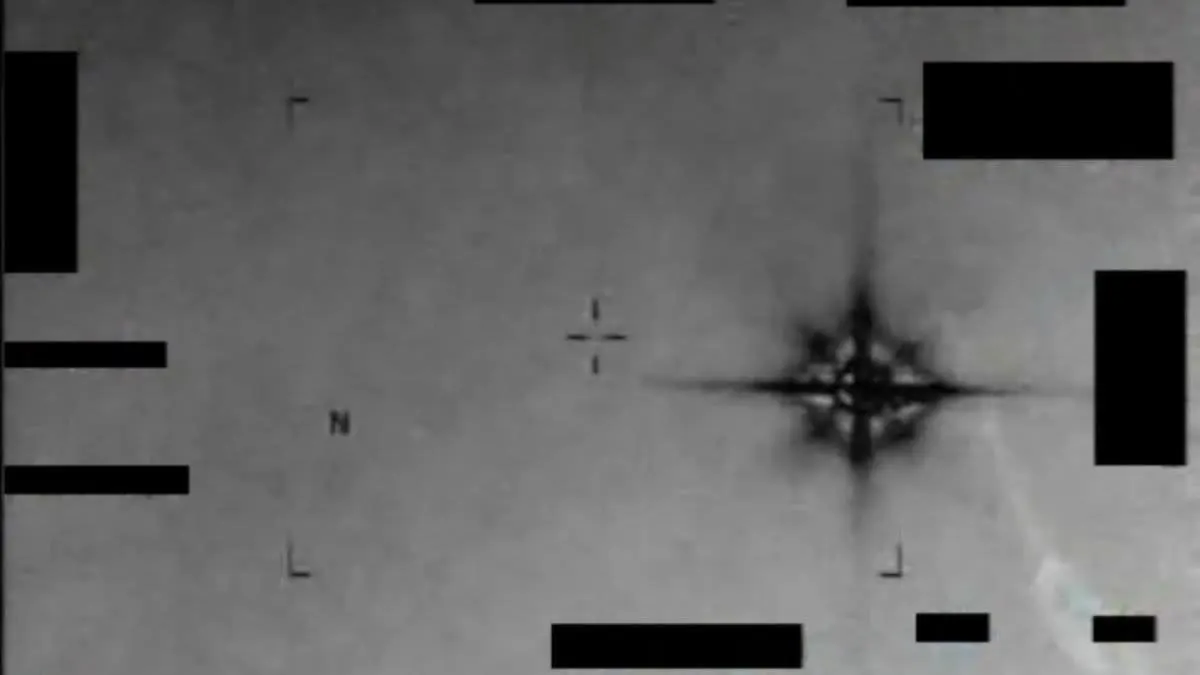
Drone Attack Hits Kuwait International Airport Fuel Depots, Sparks Fire


A drone attack targeting two fuel depots at Kuwait International Airport caused a major fire and material damage, though no casualties were initially reported.
Key Takeaways
- •Targets two fuel depots at Kuwait International Airport in a drone attack.
- •Causes a large fire and significant material damage with no initial casualties.
- •Highlights a growing trend of drone threats to critical aviation infrastructure.
- •Prompts review of counter-drone security measures at international airports.
A drone attack targeted two fuel depots at Kuwait International Airport (KWI) on Saturday night, causing a significant fire at one of the facilities and disrupting airport infrastructure. The incident, which occurred on March 7th, 2026, resulted in material damage but no initial casualties, according to official sources.
Abdullah Al-Rajehi, a spokesman for Kuwait's Public Authority for Civil Aviation (PACA), confirmed the details of the attack to the state-run Kuwait News Agency (KUNA). He stated that emergency services and relevant authorities were dispatched to the scene immediately to combat the blaze and manage the aftermath. While the full extent of the material damage is still under assessment, the event highlights a critical vulnerability for global aviation: the increasing threat of unmanned aerial vehicles (UAVs) to airport operations and infrastructure.
A Growing Threat to Aviation Security
The attack on Kuwait International Airport is not an isolated concern but rather a manifestation of a well-documented industry trend. Airports worldwide are grappling with the challenge of unauthorized drone activity, which ranges from reckless hobbyist flights to deliberate malicious attacks. Data from the U.S. Federal Aviation Administration (FAA) underscores the scale of the problem, with the agency reporting over 100 drone sightings near American airports each month. Since 2021, the FAA has logged more than 2,000 incursions, each posing a potential risk to aircraft during critical phases of flight like takeoff and landing.
The operational and financial consequences of such incursions can be severe. A landmark case occurred in December 2018, when repeated drone sightings near Gatwick Airport (LGW) in the United Kingdom forced a complete shutdown of the airfield for over 36 hours. The disruption directly impacted approximately 140,000 passengers and over 1,000 flights. One airline alone reported losses of £15 million due to the incident. This event served as a wake-up call for the industry, demonstrating how a low-cost, commercially available drone could paralyze a major international hub.
Protecting Critical Infrastructure
Security experts have long identified critical infrastructure, such as airport fuel depots, power stations, and chemical plants, as prime targets for malicious actors using drones. The low cost, high accessibility, and ability to carry payloads make UAVs an attractive weapon for those seeking to cause maximum disruption with minimal personal risk. The attack in Kuwait specifically targeted the airport's fuel supply, a component essential for maintaining flight operations. A successful, sustained attack on such a facility could have cascading effects, leading to widespread flight cancellations and significant economic damage.
In response to this evolving threat landscape, the aviation industry and government agencies are accelerating the development and deployment of counter-drone technologies. These systems are designed to detect, track, identify, and mitigate UAV threats. Solutions range from radar and radio-frequency (RF) scanners that can identify unauthorized drones to sophisticated mitigation platforms. Advanced systems now include high-power microwave technology capable of disrupting a drone's electronic systems, forcing it to land or return to its operator without causing physical destruction that could endanger people on the ground.
What Comes Next
Following the incident at Kuwait International Airport, PACA and other Kuwaiti authorities will conduct a thorough investigation to determine the origin of the drone and the identity of the perpetrators. The findings will likely inform immediate security reviews at KWI and other regional airports. The event will almost certainly accelerate investment in and implementation of comprehensive counter-drone security systems across the Middle East, a region with numerous critical aviation hubs.
For the broader aviation industry, this attack serves as another urgent data point emphasizing that passive security measures are no longer sufficient. Airports must adopt a proactive defense posture against aerial threats. This involves not only deploying new technology but also developing robust emergency response protocols and coordinating closely with national security and law enforcement agencies to neutralize threats swiftly and effectively.
Why This Matters
This drone attack on a major international airport's fuel supply is a significant escalation in aviation security threats. It moves the danger from potential collision risk to a direct assault on critical ground infrastructure. The incident underscores the urgent need for airports globally to invest in sophisticated counter-drone systems and integrated defense strategies to protect against operational paralysis and ensure passenger safety.
From airline operations to fleet updates, commercial aviation news lives at omniflights.com. Discover how innovation is shaping aviation through aircraft systems, avionics, and digital tools at omniflights.com/technology.

Written by Ujjwal Sukhwani
Aviation News Editor & Industry Analyst delivering clear coverage for a worldwide audience. Covers flight operations, safety regulations, and market trends with expert analysis.
Visit ProfileYou Might Also Like

Trump Orders Release of 161 Declassified UAP Files

DOE Agent Death Sparks UAP Whistleblower Questions

Researcher Claims 4 Alien Species Recovered; Pentagon Denies

Declassified FBI Files Detail Nazi Saucer Claims

Apollo 17 UAP Encounter Detailed in Declassified Files