DHL Express Signs 10-Year Deal for Bahrain SAF Production

Co-Founder & CEOAviation News Editor delivering trusted coverage across the global aviation industry.
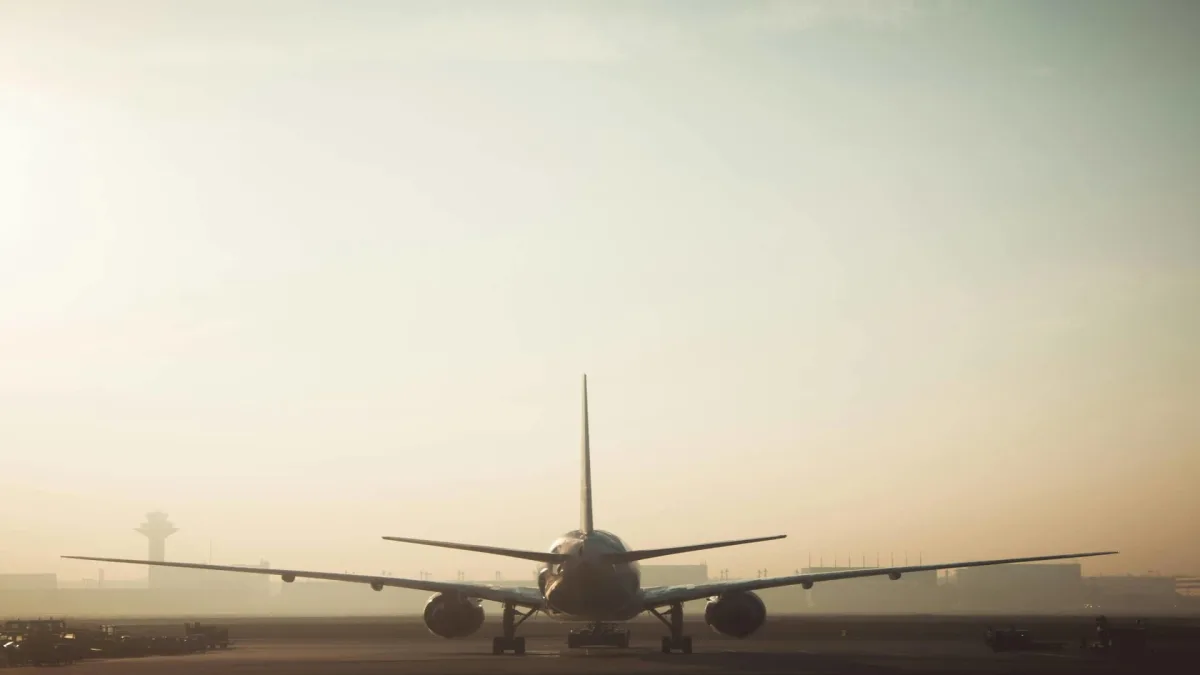
DHL Express has secured a 10-year agreement with SAF One to procure 25,000 metric tonnes of sustainable aviation fuel annually starting in 2028.
Key Takeaways
- •DHL Express secures 250,000 tonnes of SAF over a 10-year period.
- •Bahrain-based SAF One facility expected to begin operations in 2028.
- •Agreement supports DHL's 30% SAF usage target by 2030.
- •Deal utilizes GoGreen Plus model for Scope 3 emissions reporting.
Strategic SAF Offtake Agreement
DHL Express has entered a 10-year offtake agreement with SAF One to procure Sustainable Aviation Fuel (SAF) from the first dedicated production facility in the Middle East. Located in Bahrain, the facility is expected to commence operations in 2028, marking a significant milestone in the regional transition toward aviation decarbonization. Under the terms of the contract, the logistics provider will secure 25,000 metric tonnes of unblended SAF annually, totaling 250,000 tonnes over the course of the decade. This volume is equivalent to approximately 327 million liters of aviation fuel, providing a stable supply chain for the carrier's global network.
Industry Impact and Sustainability Goals
This partnership aligns with DHL Group's broader sustainability roadmap, which aims to increase the use of sustainable aviation fuels to 30% of its total fuel mix by 2030. The agreement utilizes the GoGreen Plus 'book and claim' model, a system that allows corporate shippers to account for Scope 3 emissions reductions regardless of where the physical fuel is uplifted. According to Abdulaziz Busbate, CEO of DHL Express MENA (Middle East and North Africa), the move accelerates regional decarbonization and strengthens local innovation ecosystems. The project is supported by strategic shifts in the Gulf, where state-affiliated entities are investing heavily in renewable energy to diversify from traditional fossil fuel dependencies.
Regulatory Context and Market Dynamics
While the facility is based in Bahrain, the demand for such fuel is heavily influenced by international mandates such as the European Union's ReFuelEU Aviation directive, which requires escalating SAF blending levels reaching 6% by 2030. Furthermore, the CORSIA (Carbon Offsetting and Reduction Scheme for International Aviation) framework provides the international standard allowing operators to claim emissions reductions through verified SAF usage. The SAF One official website outlines the developer's role in bringing this landmark facility to the region. Despite the scale of this agreement, industry analysts maintain that global SAF production capacity remains significantly below the levels required to meet 2030 industry-wide targets, and potential construction delays could impact the timeline for operational readiness.
Stakeholder Perspectives
For SAF One, the deal provides a critical anchor tenant, ensuring the financial viability required to proceed with the 2028 production launch. However, the use of the 'book and claim' model has faced scrutiny from environmental advocates, who argue that such mechanisms allow operators to claim reductions on specific routes while continuing to rely on conventional fuels locally. Travis Cobb, EVP of Global Network Operations & Aviation at DHL Express, noted that integrating this supply chain is a major step toward making sustainable aviation the new standard, emphasizing that the deal strengthens operational resilience by diversifying sourcing regions.
Technical Analysis
This development signals a transition from pilot-scale sustainability initiatives to long-term, high-volume industrial procurement. Historically, DHL has utilized massive offtake agreements to secure supply, such as its 2022 deal with Neste for 320,000 metric tons and a simultaneous partnership with bp. These precedents demonstrate a clear trajectory: logistics giants are acting as the primary financiers of the early SAF market to hedge against future regulatory costs. The reliance on the Middle East for this production indicates a shift in the global energy map, where traditional fuel-producing regions are leveraging existing infrastructure and economic development boards to capture value in the emerging renewable aviation sector. This pattern of forward-purchasing is essential to meet the 2030 sustainability targets while navigating the current supply-demand imbalance in the global fuel market.
What Comes Next
- 2028: Expected commencement of production at the Bahrain facility.
- 2030: Deadline for the European Union's 6% SAF blending mandate and DHL's 30% fuel mix target.
Why This Matters
This agreement marks a pivotal shift in the aviation supply chain by establishing the first major SAF production hub in the Middle East. For the industry, it highlights the increasing role of logistics firms in underwriting the development of renewable fuel infrastructure through long-term, high-volume commitments.
Frequently Asked Questions
- What is the duration and volume of the DHL Express and SAF One agreement?
- The agreement is a 10-year contract under which DHL Express will procure 25,000 metric tonnes of unblended sustainable aviation fuel annually, totaling 250,000 tonnes over the full term.
- When is the SAF One production facility in Bahrain expected to become operational?
- The facility is scheduled to begin production in 2028.
omniflights.com provides comprehensive commercial aviation news covering airlines, aircraft, and airports. Get the latest updates on major hubs, regional terminals, and airport operations via the Airports section at omniflights.com/airports.

Written by Hardik Vishwakarma
Co-Founder & Aviation News Editor leading initiatives that improve trust and visibility across the global aviation industry. Covers airlines, airports, safety, and emerging technology.
Visit ProfileYou Might Also Like
Discover more aviation news based on similar topics
KLM Receives First A350-900 De Nachtwacht for Fleet Renewal
KLM Royal Dutch Airlines has received its first Airbus A350-900, named De Nachtwacht, to begin replacing its aging Boeing 777 and Airbus A330 fleet.
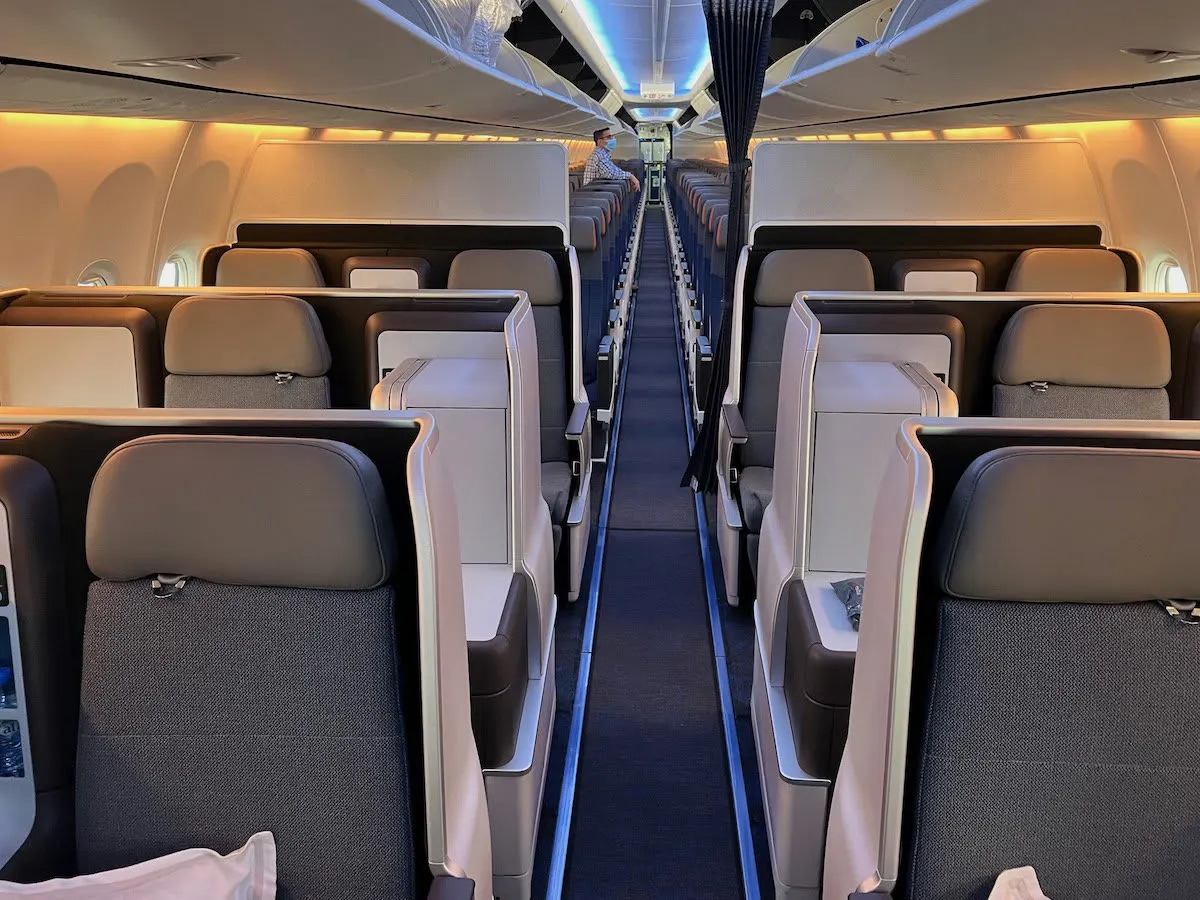
Flydubai Upgrading 21 Boeing 737 MAX 8s to Flat Bed Seats
Flydubai is retrofitting 21 Boeing 737 MAX 8 aircraft with lie-flat business class seats to standardize its premium product by late 2027.
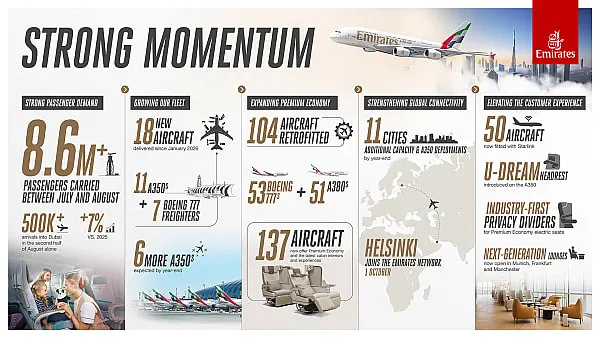
Emirates Winter Booking Momentum Grows Amid Fleet Expansion
Emirates carried 8.6 million passengers this summer and enters winter with strong demand as it accelerates fleet retrofits and network growth.
Air Arabia Consortium Gains AOC for New Dammam Budget Airline
A Saudi GACA-led consortium including Air Arabia has secured an AOC to launch a new budget airline based at Dammam's King Fahd International Airport.
Turkish Airlines Exits Luanda as Angola Hub Struggles
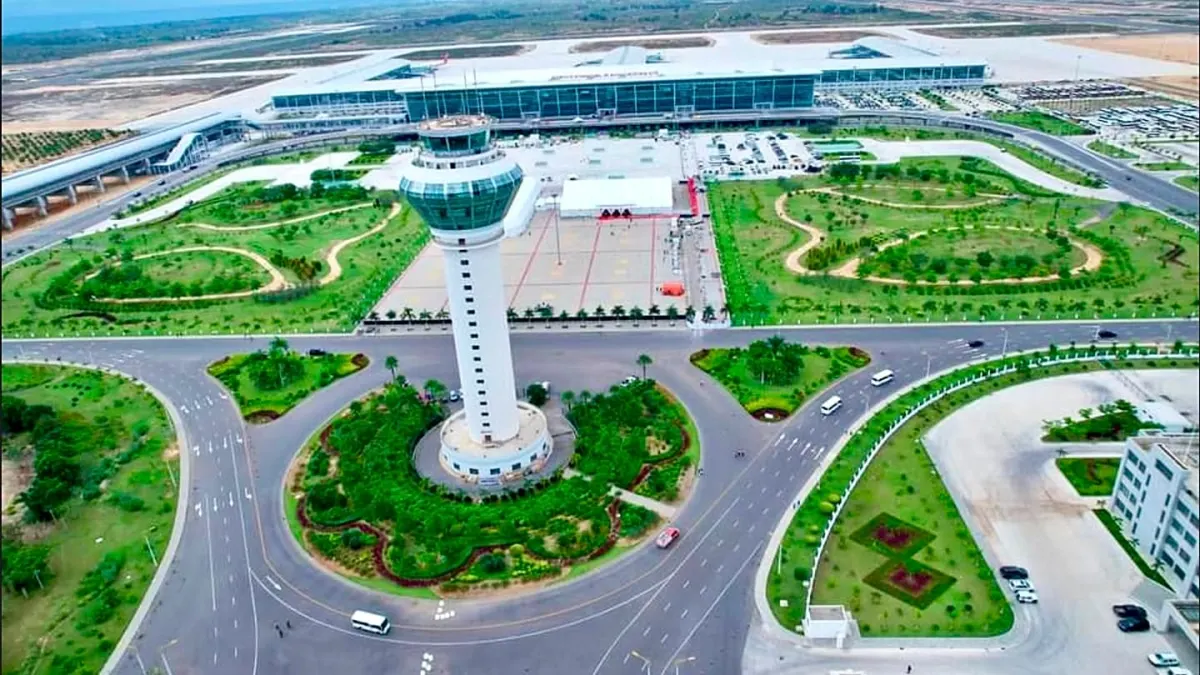
Turkish Airlines dropped its Luanda route as Angola's new airport struggles to attract traffic, handling only 756,028 passengers in 2025.
Red Sea Airlines Leases Two 737 MAX 8s for 2027 Expansion
Red Sea Airlines signed a lease for two Boeing 737 MAX 8 aircraft from SMBC Aviation Capital, arriving in 2027 to support its 14-aircraft fleet goal.