Airlines Eye New Routes With A321LR, 737 MAX 10 Fleet

Co-Founder & CEOAviation News Editor delivering trusted coverage across the global aviation industry.

SAS, Aegean, Icelandair, and TUI are expanding networks with new A321LR and Boeing 737 MAX 10 aircraft to open long-haul routes and bypass airport caps.
Key Takeaways
- •Airlines use new A321LRs for long-haul, thin routes previously unviable for widebodies.
- •TUI will deploy 230-seat 737 MAX 10s in Amsterdam to bypass strict airport slot caps.
- •Aegean Airlines swapped A321XLR orders for A321LRs due to seat certification delays.
- •Icelandair's new A321LR fleet is replacing its aging transatlantic Boeing 757s.
Executives from four major European airlines outlined their strategies for narrowbody route expansion using new-generation aircraft at the Routes Europe 2026 conference in Rimini, Italy. Carriers including Scandinavian Airlines (SAS), Aegean Airlines, Icelandair, and TUI are leveraging the capabilities of the Airbus A321LR and Boeing 737 MAX 10 to reshape their networks, enabling new long-haul routes and mitigating operational constraints at congested airports.
The trend highlights a strategic shift in airline network planning, where the extended range and higher capacity of modern single-aisle jets provide unprecedented flexibility. These aircraft allow carriers to serve long, thin routes that cannot economically support widebody aircraft and to maximize passenger throughput at slot-constrained hubs, a practice known as upgauging.
Airline-Specific Fleet Strategies
SAS (Scandinavian Airlines System) is reportedly considering adding more Airbus A321 Long Range (A321LR) aircraft to its fleet. The carrier already utilizes the type for transatlantic routes, and executives at the conference described the flexibility of new-generation narrowbodies as a "network planner's dream," allowing for precise capacity matching to demand.
Aegean Airlines revealed that it was forced to alter its fleet plans due to supply chain and certification issues. According to its Q4 2025 earnings call, the Greek carrier cancelled an order for two Airbus A321 Extra Long Range (A321XLR) aircraft after facing a 7-8 month delay in the certification of its business class seats. The regulation, overseen by the European Union Aviation Safety Agency (EASA), pushed back the delivery timeline significantly. Consequently, Aegean converted the order to the A321LR model. This change has delayed the planned launch of direct services from Athens to Delhi and Mumbai from 2026 to an expected start in 2027.
Icelandair is in the process of a major fleet renewal, replacing its venerable Boeing 757s. The airline took delivery of its first Airbus A321LR in March 2026, as confirmed by a CDB Aviation press release. This move follows a historical precedent set in the 1990s when the Boeing 757 first proved the viability of long-haul narrowbody operations across the Atlantic, connecting secondary cities in North America and Europe. Icelandair plans to continue this strategy with the more fuel-efficient Airbus models and has a confirmed order for the A321XLR, with first deliveries expected in 2029.
TUI Group is preparing for the arrival of the Boeing 737 MAX 10, the largest variant in the 737 MAX family. The airline expects its first deliveries in 2027 and plans to base the aircraft primarily at Amsterdam Airport Schiphol (AMS). This decision is a direct response to strict government-imposed limits on flight movements at the airport. By deploying the high-capacity, 230-seat 737 MAX 10, TUI can maximize the number of passengers carried per available flight slot, effectively bypassing the growth restrictions.
Technical Analysis
The strategies discussed at the Routes Europe 2026 conference confirm two major industry trends: the rise of long-haul narrowbody operations and aircraft upgauging at constrained hubs. The A321LR and its longer-range counterpart, the A321XLR, build upon the market pioneered by the Boeing 757, offering airlines the ability to launch point-to-point intercontinental routes with lower financial risk than widebody aircraft. This opens up city pairs that were previously unviable, particularly between secondary European and North American cities or from Europe to destinations in India and the Middle East.
Simultaneously, the deployment of the 737 MAX 10 by TUI in Amsterdam exemplifies a critical response to regulatory pressure. As major European hubs face increasing environmental and capacity-related restrictions, airlines are forced to grow by increasing aircraft size rather than flight frequency. The MAX 10's capacity allows TUI to maintain or grow passenger volumes without needing additional slots. While these new aircraft offer network flexibility, some passenger advocates have raised concerns that single-aisle cabins on flights exceeding six hours may offer less comfort than traditional twin-aisle widebodies.
Airbus A321LR vs Boeing 737 MAX 10
| Metric | Airbus A321LR | Boeing 737 MAX 10 |
|---|---|---|
| Maximum Range | 4,000 nm | 3,100 nm |
| Maximum Seating Capacity | 244 | 230 |
What Comes Next
The coming years will see these new aircraft enter service and reshape European air travel. Key milestones include:
- 2027: TUI is expected to receive its first Boeing 737 MAX 10, which will be based in Amsterdam.
- 2027: Aegean Airlines is expected to launch its delayed long-haul routes to Delhi and Mumbai using its A321LR fleet.
- 2029: Icelandair is confirmed to receive its first Airbus A321XLR, further enhancing its transatlantic capabilities.
Why This Matters
This strategic shift towards advanced narrowbody aircraft is fundamentally altering airline economics and network possibilities. For airlines, it provides a lower-risk tool to explore new long-haul markets and a surgical instrument to maximize revenue at slot-constrained airports. For passengers, it signals the growth of more direct, non-stop international routes from secondary cities, though potentially on smaller aircraft for longer durations.
Frequently Asked Questions
- Why is TUI basing its Boeing 737 MAX 10s in Amsterdam?
- TUI is basing its new 230-seat Boeing 737 MAX 10s at Amsterdam's Schiphol Airport as a direct response to strict government-imposed limits on flight movements. This strategy of 'upgauging' allows the airline to maximize the number of passengers it can carry per available flight slot.
- What aircraft is replacing Icelandair's Boeing 757 fleet?
- Icelandair is replacing its aging fleet of Boeing 757 aircraft with new, more fuel-efficient Airbus A321LR (Long Range) jets. The airline received its first A321LR in March 2026 and also has orders for the A321XLR (Extra Long Range) for delivery starting in 2029.
- Why did Aegean Airlines switch its A321XLR order to A321LRs?
- Aegean Airlines converted an order for two A321XLRs into A321LRs because of a significant 7-8 month delay in the EASA certification for the aircraft's business class seats. This switch allowed them to avoid further delays to their network expansion plans, such as launching new routes to India.
For global airline trends and commercial aviation news, turn to omniflights.com. Track policy changes, airspace rules, and global aviation governance in the Regulatory category at omniflights.com/regulatory.

Written by Hardik Vishwakarma
Co-Founder & Aviation News Editor leading initiatives that improve trust and visibility across the global aviation industry. Covers airlines, airports, safety, and emerging technology.
Visit ProfileYou Might Also Like
Discover more aviation news based on similar topics
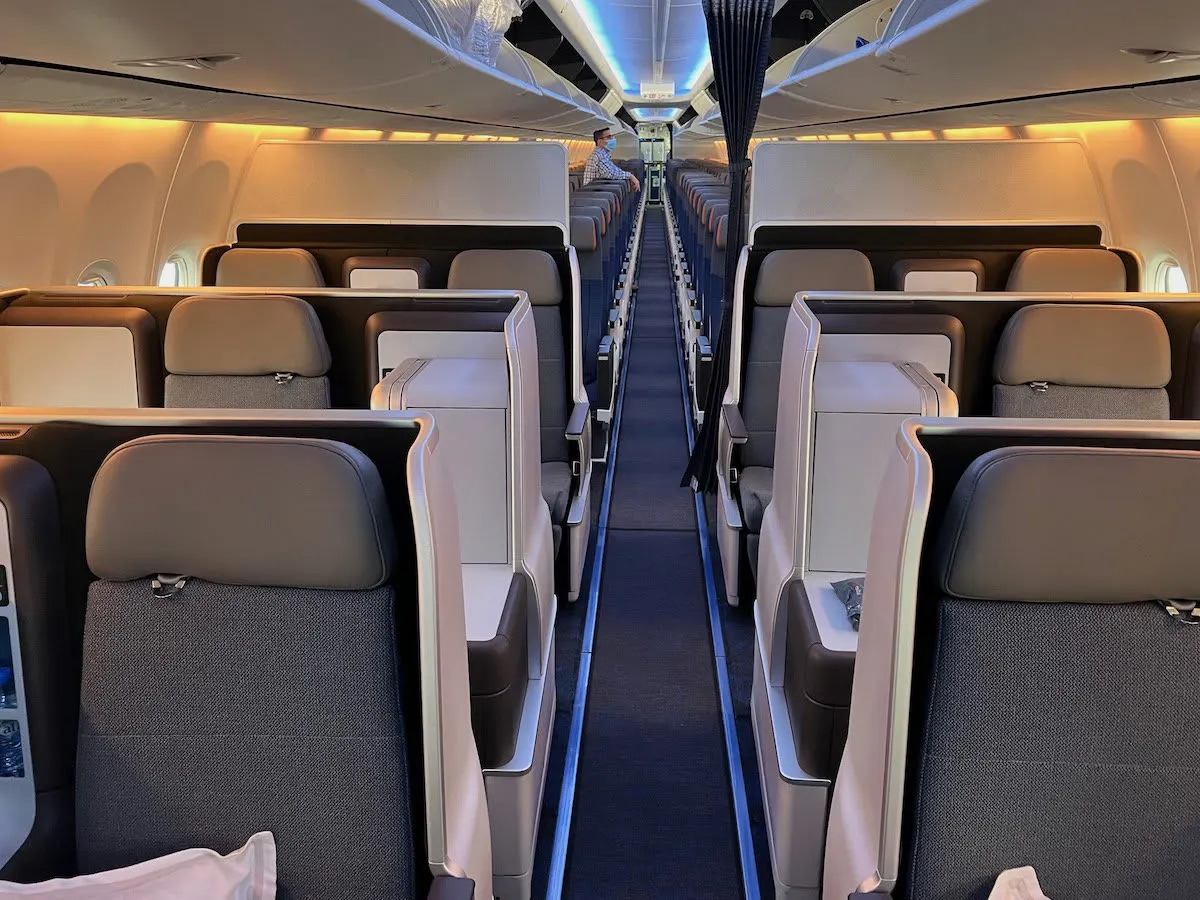
Flydubai Upgrading 21 Boeing 737 MAX 8s to Flat Bed Seats
Flydubai is retrofitting 21 Boeing 737 MAX 8 aircraft with lie-flat business class seats to standardize its premium product by late 2027.
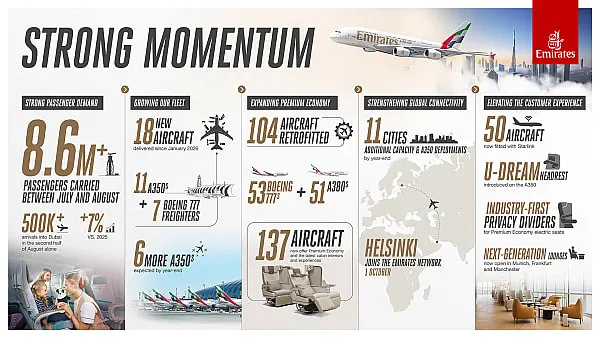
Emirates Winter Booking Momentum Grows Amid Fleet Expansion
Emirates carried 8.6 million passengers this summer and enters winter with strong demand as it accelerates fleet retrofits and network growth.
Air Arabia Consortium Gains AOC for New Dammam Budget Airline
A Saudi GACA-led consortium including Air Arabia has secured an AOC to launch a new budget airline based at Dammam's King Fahd International Airport.

Turkish Airlines Exits Luanda as Angola Hub Struggles
Turkish Airlines dropped its Luanda route as Angola's new airport struggles to attract traffic, handling only 756,028 passengers in 2025.

Red Sea Airlines Leases Two 737 MAX 8s for 2027 Expansion
Red Sea Airlines signed a lease for two Boeing 737 MAX 8 aircraft from SMBC Aviation Capital, arriving in 2027 to support its 14-aircraft fleet goal.
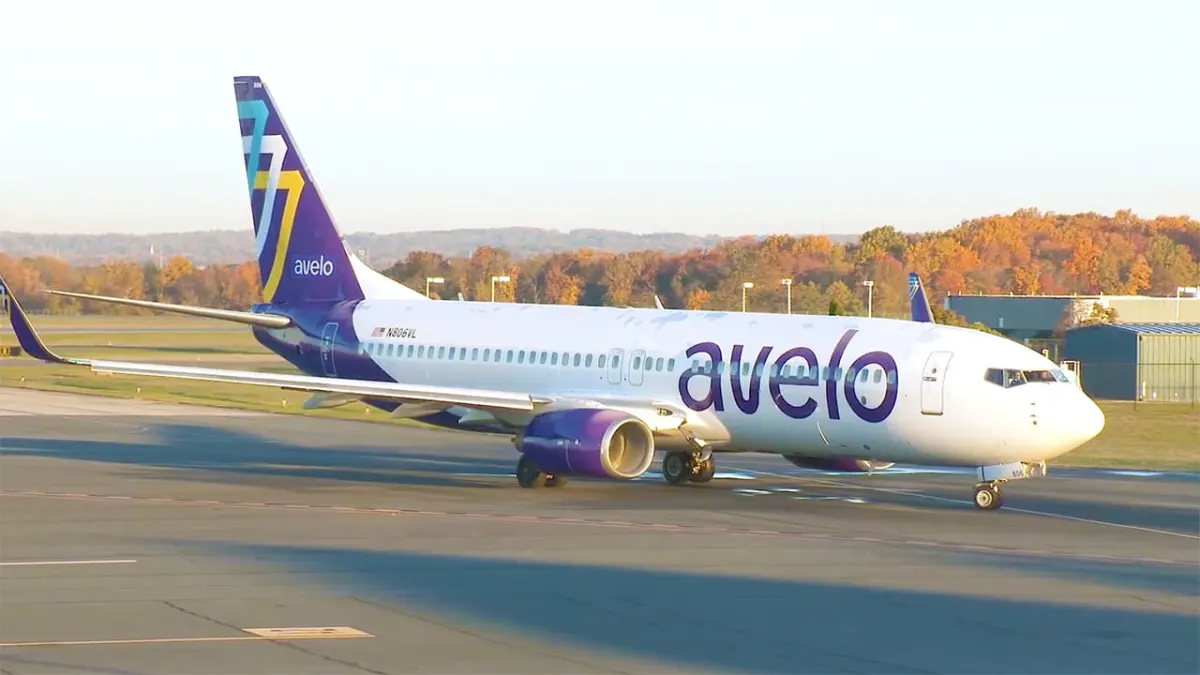
Avelo CEO Warns Airfares May Rise on Jet Fuel Price Spikes
Avelo Airlines CEO Andrew Levy warns that rising fuel costs may force fare increases as global jet fuel prices reach $171.01 per barrel.