Delta to Install VCT Finlets on 240 Boeing 737NG Aircraft

Co-Founder & CEOAviation News Editor delivering trusted coverage across the global aviation industry.

Delta Air Lines will retrofit 240 Boeing 737NG aircraft with VCT finlets to improve fuel efficiency and lower carbon emissions across its fleet.
Key Takeaways
- •Delta will install VCT finlets on 240 Boeing 737-800 and 737-900ER aircraft.
- •Finlets reduce drag and can cut annual carbon emissions by 750,000 lbs per plane.
- •Installations require four elapsed hours of maintenance per aircraft.
- •The modification holds an FAA Supplemental Type Certificate for 737NG aircraft.
Delta Air Lines Fleet Modernization
Delta Air Lines has announced a major initiative to enhance the aerodynamic performance and fuel efficiency of its narrowbody fleet. On June 17, 2026, the carrier confirmed plans to install Vortex Control Technologies (VCT) finlets across 240 of its Boeing 737NG aircraft. This modification program covers both the 737-800 and 737-900ER variants, representing a significant investment in sustainability for the legacy carrier. The Delta News Hub confirms this effort is part of a broader strategy to integrate innovative technologies that reduce operational costs and environmental impact.
Aerodynamic Enhancements and Performance
The finlet modification is an aft-fuselage aerodynamic device designed to minimize flow separation, which is a primary source of drag on the Boeing 737NG airframe. According to Vortex Control Technologies official specifications, these devices can reduce carbon emissions by up to 750,000 lbs per year for a single aircraft. The engineering process relies on Computational Fluid Dynamics (CFD) to optimize the placement and shape of the finlets, ensuring maximum drag reduction.
Operational Integration
For Delta Air Lines operations, the installation process is designed for minimal downtime. The modification requires approximately four elapsed hours and sixteen man-hours to complete during routine line maintenance. This efficiency allows the carrier to integrate the upgrades without significant disruption to flight schedules. Delta's 737NG fleet currently consists of approximately 77 737-800s and 163 737-900ERs, making this one of the most extensive fleet retrofits of its kind in the industry. The project is supported by a Supplemental Type Certificate (STC) issued by the Federal Aviation Administration (FAA), which validates the safety and structural integrity of the modification.
Technical Comparison: Finlets vs. Winglets
| Metric | Aft Fuselage Finlets | Split Scimitar Winglets |
|---|---|---|
| Location | Aft fuselage | Wingtips |
| Primary Function | Reduces flow separation | Reduces wingtip vortices |
| Typical Fuel Savings | Up to 4% | 1.6-2.2% |
Industry Context and Precedents
This move by Delta reflects a growing industry trend toward legacy fleet sustainability retrofits. As airlines navigate supply chain delays for new aircraft, investing in existing platforms like the 737NG has become a critical path for meeting emission targets. The adoption of aft-fuselage drag reduction follows a historical pattern of successful aftermarket modifications. In 2014, the introduction of Split Scimitar Winglets by Aviation Partners Boeing became a standard for 737NG operators. More recently, the March 2024 implementation by Avelo Airlines served as a pioneering commercial trial for VCT finlets, proving the technology's viability for larger carriers. Additionally, the European Union Aviation Safety Agency (EASA) granted approval for these drag-reduction finlets in September 2025, providing a global standard for the technology's safety profile.
What Comes Next
The rollout of the finlet modification program is expected to proceed in phases across Delta's maintenance facilities. While specific timelines for the completion of all 240 aircraft have not been finalized, the project is moving forward under existing FAA certification. The collaboration between Delta and VCT is expected to yield substantial data on real-world fuel savings, which will likely influence future fleet maintenance cycles.
Why This Matters for Sustainability
For Delta, the decision to adopt VCT finlets signals a commitment to long-term operational efficiency. By addressing drag at the aft fuselage, the carrier can achieve measurable reductions in fuel burn, directly lowering operating expenses and the airline's carbon footprint. This initiative highlights the importance of incremental aerodynamic improvements in meeting the aviation industry's sustainability goals.
Frequently Asked Questions
- What are VCT finlets and how do they benefit the Boeing 737NG?
- VCT finlets are aft-fuselage aerodynamic devices designed to minimize flow separation and reduce drag. By installing these on Boeing 737NG aircraft, airlines can improve fuel efficiency and reduce carbon emissions by up to 750,000 lbs per aircraft annually.
- How long does it take to install finlets on a Boeing 737NG?
- The installation of VCT finlets is designed for efficiency, requiring approximately four elapsed hours and sixteen man-hours to complete during routine line maintenance.
Visit omniflights.com for the latest commercial aviation news and airline industry updates. Get the latest updates on major hubs, regional terminals, and airport operations via the Airports section at omniflights.com/airports.
Written by Hardik Vishwakarma
Co-Founder & Aviation News Editor leading initiatives that improve trust and visibility across the global aviation industry. Covers airlines, airports, safety, and emerging technology.
Visit ProfileYou Might Also Like
Discover more aviation news based on similar topics
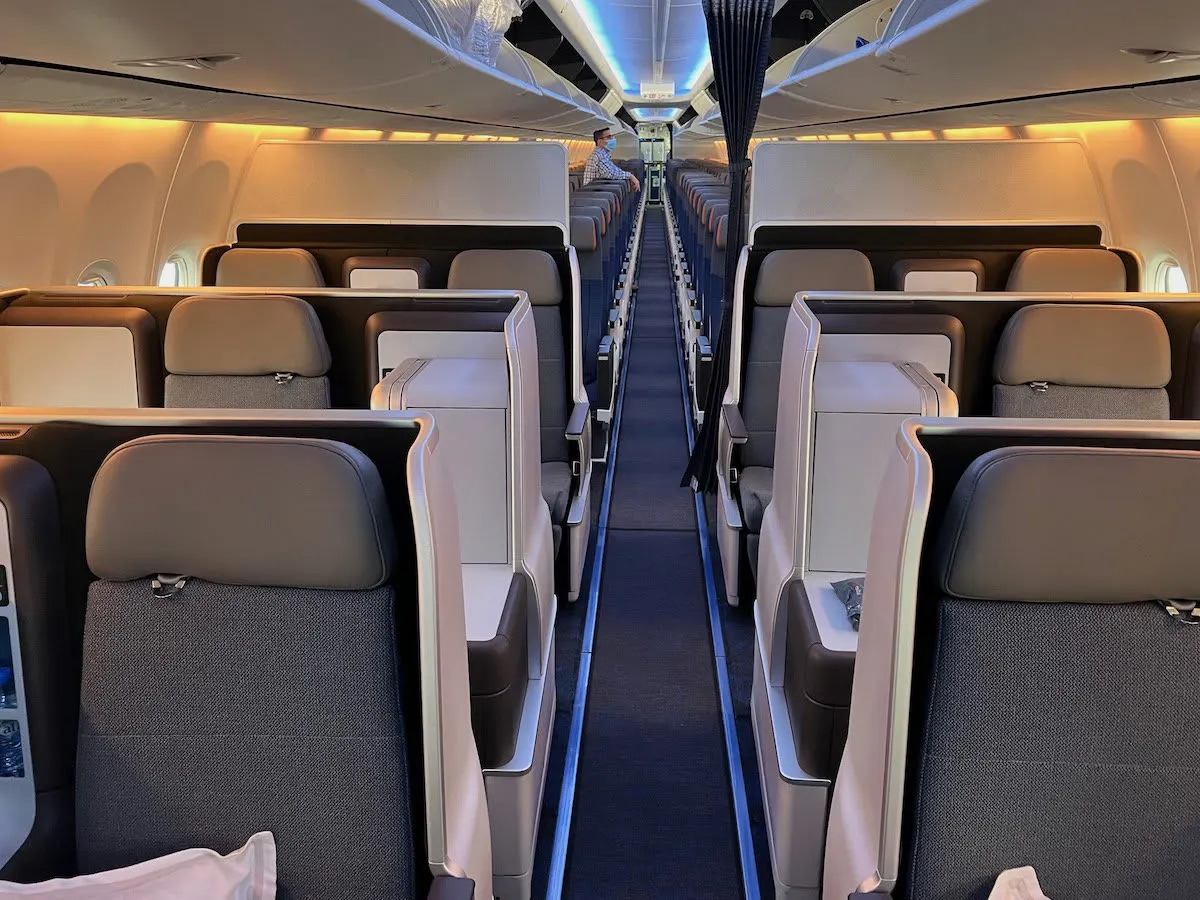
Flydubai Upgrading 21 Boeing 737 MAX 8s to Flat Bed Seats
Flydubai is retrofitting 21 Boeing 737 MAX 8 aircraft with lie-flat business class seats to standardize its premium product by late 2027.
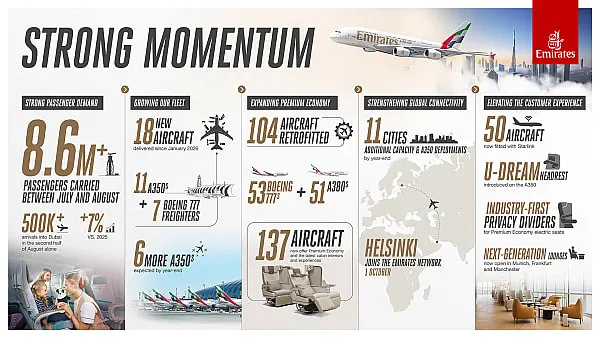
Emirates Winter Booking Momentum Grows Amid Fleet Expansion
Emirates carried 8.6 million passengers this summer and enters winter with strong demand as it accelerates fleet retrofits and network growth.
Air Arabia Consortium Gains AOC for New Dammam Budget Airline
A Saudi GACA-led consortium including Air Arabia has secured an AOC to launch a new budget airline based at Dammam's King Fahd International Airport.
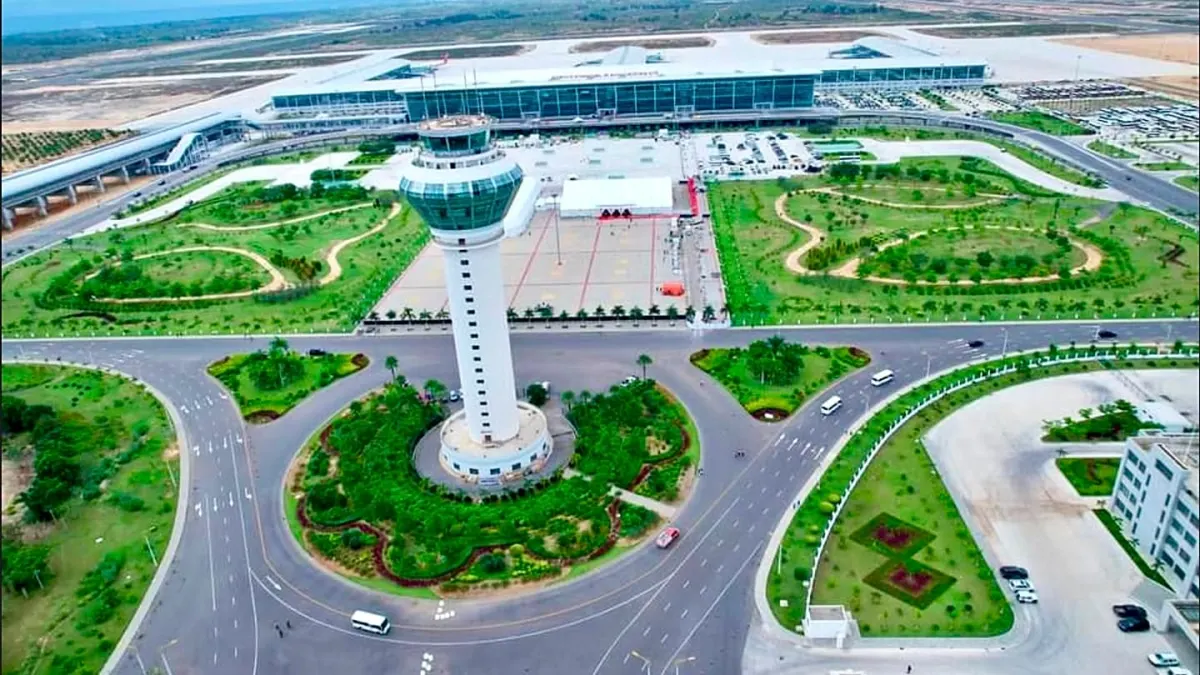
Turkish Airlines Exits Luanda as Angola Hub Struggles
Turkish Airlines dropped its Luanda route as Angola's new airport struggles to attract traffic, handling only 756,028 passengers in 2025.

Red Sea Airlines Leases Two 737 MAX 8s for 2027 Expansion
Red Sea Airlines signed a lease for two Boeing 737 MAX 8 aircraft from SMBC Aviation Capital, arriving in 2027 to support its 14-aircraft fleet goal.
Avelo CEO Warns Airfares May Rise on Jet Fuel Price Spikes
Avelo Airlines CEO Andrew Levy warns that rising fuel costs may force fare increases as global jet fuel prices reach $171.01 per barrel.