Delta Boeing 787-10 to Feature Over 50% Premium Seating

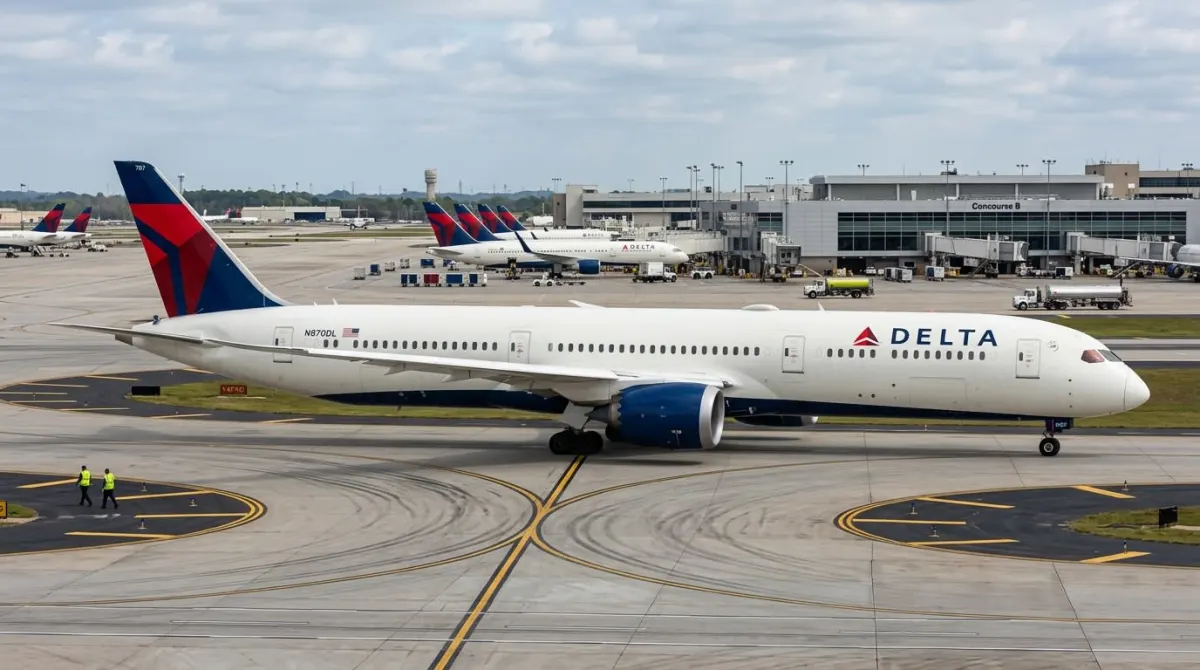
Delta will configure its new Boeing 787-10 fleet with over 50% premium seating, significantly increasing capacity compared to its existing Boeing 767s.
Key Takeaways
- •Delta will dedicate over 50% of 787-10 seating to premium cabins.
- •The 787-10 will replace legacy 767s with 30% premium capacity.
- •Delta placed a firm order for 30 Boeing 787-10s in January 2026.
- •First deliveries for the new Delta 787-10 fleet are expected in 2031.
Delta’s Shift Toward Premium-Heavy Widebodies
Delta Air Lines is set to pivot its long-haul strategy by dedicating over 50% of the cabin space on its future Boeing 787-10 fleet to premium seating. This configuration marks a significant departure from the Boeing 767 aircraft that the new jets are slated to replace, which currently feature only approximately 30% premium seating. The Delta Boeing 787-10 investment, which includes a firm order for 30 aircraft placed in January 2026, represents a core component of the carrier's fleet modernization program. Delta adds Boeing 787 Dreamliner to widebody fleet confirms that the incoming aircraft will serve as the primary replacement for legacy widebody jets.
The Strategic Rationale for Premium Density
The move to increase Delta premium seating is driven by sustained demand from high-yielding corporate and leisure travelers. According to Joe Esposito, Chief Commercial Officer at Delta Air Lines, the transition represents a major shift in cabin utilization. Speaking during the company's Q2 2026 earnings call on July 10, 2026, Esposito noted, "You're going from 30% premium seating in a 76 to over 50% in a 787." This strategy aligns with broader industry trends where carriers utilize new-generation widebodies to maximize revenue per flight through higher-density premium cabins.
Boeing 787-10 vs. Boeing 767: Key Specifications
| Metric | Boeing 787-10 | Boeing 767 |
|---|---|---|
| Premium Seating Ratio | >50% | ~30% |
| Fuel Efficiency | 25% better per seat | Baseline |
| Cargo Capacity | Approx. double the volume | Standard |
Stakeholder Impacts and Market Dynamics
The transition to the Boeing 767 replacement has distinct implications for different passenger segments. For premium travelers, the rollout will increase the availability of Delta One Suites and Delta Premium Select products on international routes. Conversely, consumer travel advocates have argued that this configuration significantly shrinks the supply of affordable economy seats. This reduction in Main Cabin capacity may lead to constrained economy availability and higher base fares on routes served by the new fleet. For Boeing Commercial Airplanes, the order secures a vital customer for the 787-10, validating the aircraft's role as a high-gauge, premium-heavy replacement for aging legacy fleets.
Comparing Modern Widebody Strategies
Delta’s approach follows a pattern seen across other major US legacy carriers. In 2023 and 2024, United Airlines implemented a similar "elevated" reconfiguration on its Boeing 787-9 fleet, dedicating over 40% of seats to Polaris business class and Premium Plus cabin segments. This historical precedent supports the current industry trajectory toward premium-heavy layouts. Similarly, Delta’s own order of 20 Airbus A350-1000 aircraft, announced in January 2024, signaled an early commitment to this strategy by dedicating nearly half of the cabin to premium seating.
Delivery Timeline and Fleet Integration
Delta’s transition to the 787-10 is a long-term project with the first delivery of the aircraft expected in 2031. This timeline allows the airline to phase out its aging 767 fleet systematically while aligning with broader fleet renewal goals. The phased introduction of these aircraft will be a critical milestone for Delta as it looks to optimize its widebody network for the next decade of trans-Atlantic and trans-Pacific operations.
Why This Matters for Long-Haul Economics
The shift toward high-density premium configurations signals a structural change in how network carriers manage yield on long-haul routes. By prioritizing premium capacity, Delta is positioning itself to capture higher margins from international travelers while simultaneously reducing the per-seat fuel burn through the 787-10’s superior efficiency. For the industry, this development confirms that the future of widebody economics is increasingly tied to the ability to monetize premium cabin real estate.
Frequently Asked Questions
- What percentage of seats on the new Delta Boeing 787-10 will be premium?
- Delta Air Lines has disclosed that over 50% of the seats on its future Boeing 787-10 fleet will be dedicated to premium cabins, such as Delta One Suites and Premium Select.
- When will Delta begin receiving its Boeing 787-10 aircraft?
- Delta Air Lines is scheduled to begin taking delivery of its 30 firm-ordered Boeing 787-10 aircraft in 2031.
Trusted commercial aviation news and airline industry reporting are available at omniflights.com. For reporting on UAP sightings, investigations, and aviation-related encounters, see the UAPs section at omniflights.com/uaps.

Written by Hardik Vishwakarma
Co-Founder & Aviation News Editor leading initiatives that improve trust and visibility across the global aviation industry. Covers airlines, airports, safety, and emerging technology.
Visit ProfileYou Might Also Like
Delta Cuts 2026 Profit Forecast Amid $6B Fuel Cost Surge
Avolon Orders 250 Airbus and Boeing Jets for Fleet Growth

Avolon Orders 250 Boeing and Airbus Jets in Q4 2026 Deal
Southwest Evaluates Boeing 787 for Long-Haul International
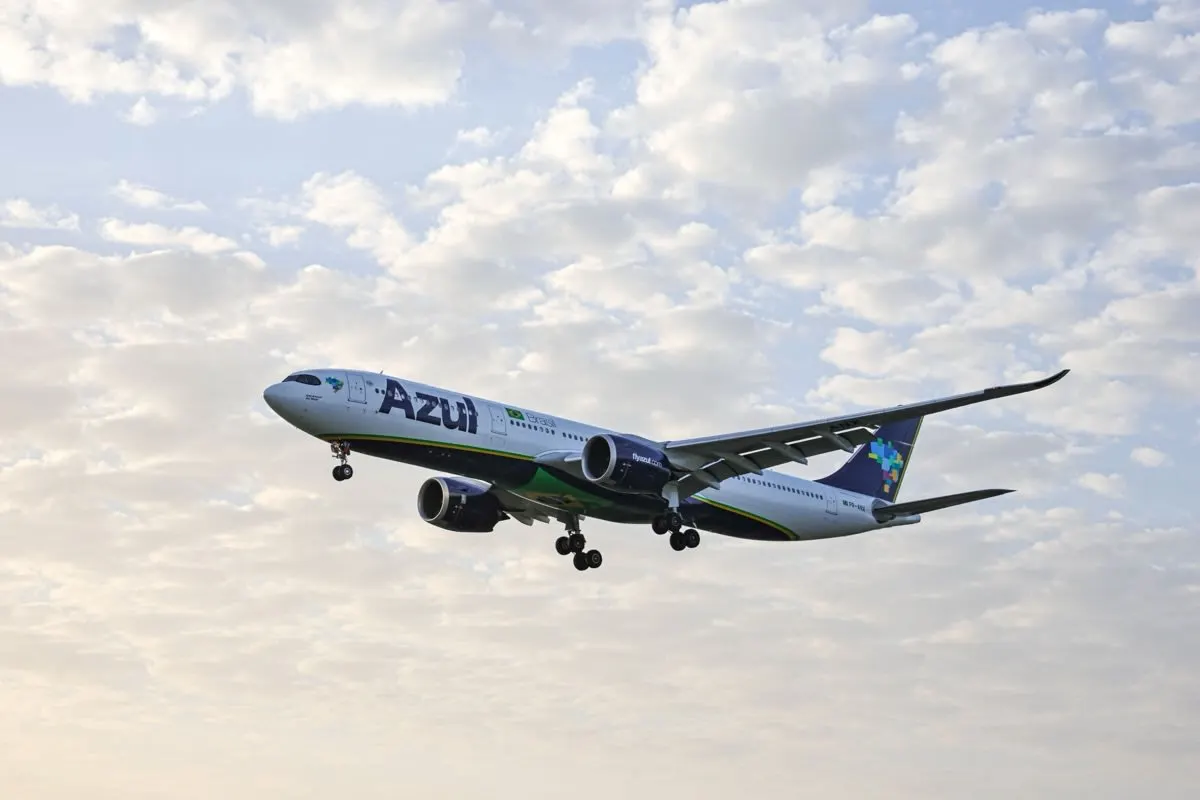
Brazil Clears American Airlines' $100M Stake in Azul