Delta Air Lines Faces Cancellations After FAA Ground Delays

Co-Founder & CEOAviation News Editor delivering trusted coverage across the global aviation industry.
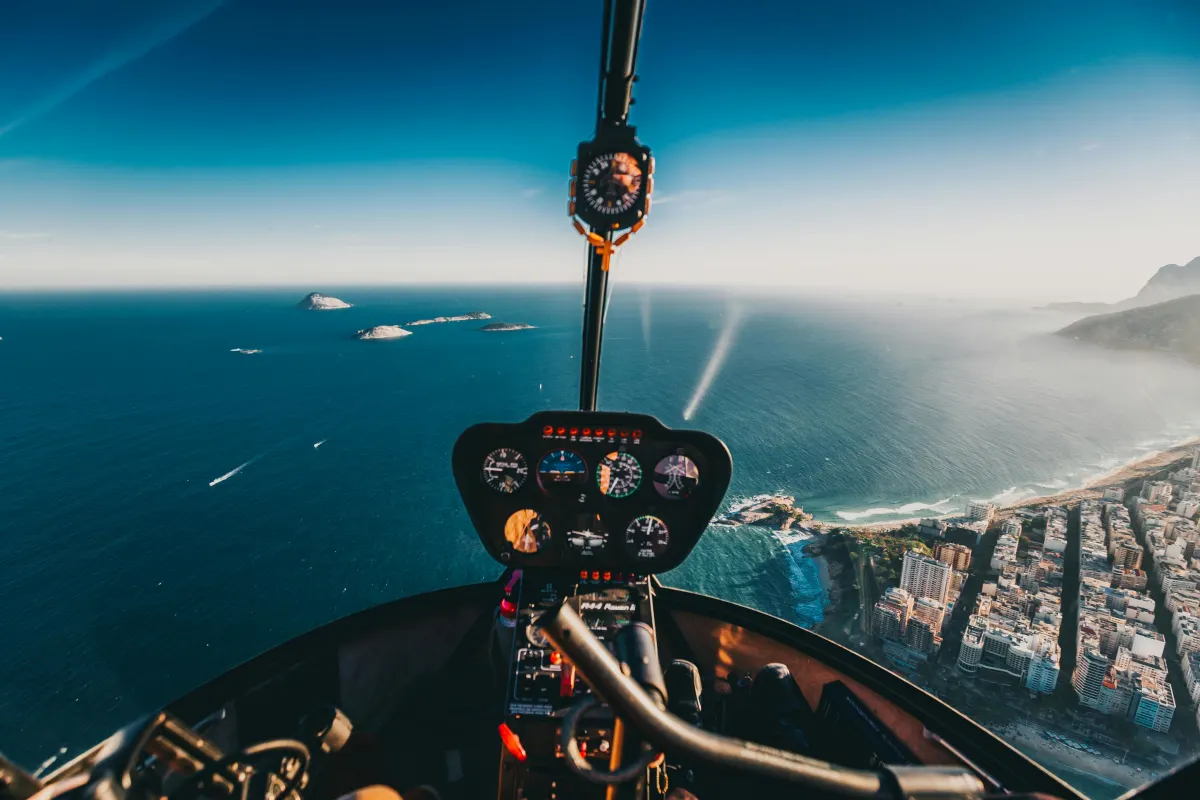
Delta Air Lines canceled hundreds of flights following FAA Ground Delay Programs at LGA and ATL triggered by severe thunderstorms and ATC staffing gaps.
Key Takeaways
- •Delta canceled hundreds of flights due to FAA ground delays at LGA and ATL.
- •Severe thunderstorms triggered flow management at major East Coast hubs.
- •FAA staffing shortages of 3,500 controllers limit recovery from weather events.
- •Delta hub operations at ATL saw 891 total flight delays on June 15, 2026.
Operational Disruptions at Delta Hubs
Delta Air Lines experienced significant network instability over a 48-hour period in mid-June 2026, as severe thunderstorms forced the Federal Aviation Administration (FAA) to implement a Ground Delay Program (GDP) across key East Coast hubs. The weather-related events disproportionately impacted the airline’s operations at LaGuardia Airport (LGA) and Hartsfield-Jackson Atlanta International Airport (ATL), triggering hundreds of cancellations and thousands of cascading delays. According to FlightAware data, Delta’s LGA operations suffered 119 departure and 105 arrival cancellations on Sunday, June 14, 2026. By Monday, June 15, the operational strain moved through the network, with Hartsfield-Jackson Atlanta International Airport recording 891 total flight delays.
The Role of ATC Staffing
While weather served as the immediate catalyst for the disruption, industry analysts point to systemic fragility within the National Airspace System. The FAA is currently managing a shortfall of approximately 3,500 certified Air Traffic Control (ATC) professionals compared to its historical staffing targets. This limitation forces the agency to apply flow control restrictions more broadly and conservatively during weather events than in previous decades. As noted by the Bureau of Transportation Statistics, Delta accounts for nearly 75% of passenger traffic at its primary Atlanta hub, meaning that any restriction at this location creates immediate, systemic consequences for the airline's entire corporate footprint.
Stakeholder Impact and Network Fragility
For Delta Air Lines Flight Operations, the disruption resulted in widespread displacement of flight crews who exceeded their legal duty hours, necessitating complex repositioning and emergency logistics. Connecting passengers faced significant challenges, including overnight layovers at the ATL mega-hub. The National Air Traffic Controllers Association has argued that the FAA’s current staffing models are unsustainable, pointing to mandatory six-day workweeks and high fatigue levels among the workforce. Meanwhile, consumer advocates have suggested that airlines maintain aggressive scheduling patterns that leave minimal buffers for recovery when the airspace capacity is restricted.
Historical Precedents and Industry Trends
This event follows a pattern of network instability seen in recent years, most notably the December 2022 Southwest Airlines winter event, which resulted in over 16,000 cancellations and a $140 million Department of Transportation fine. The current situation mirrors the summer 2023 New York airspace crisis, where the FAA allowed airlines to return up to 10% of their NYC slots due to critical staffing shortages at the New York Terminal Radar Approach Control (TRACON). These precedents suggest that localized weather events now carry a higher risk of systemic collapse when operational margins are thin.
The Path to Workforce Stability
Under the FAA Air Traffic Controller Workforce Plan, the agency has initiated a multi-year strategy to address the controller shortfall, with major milestones expected between 2026 and 2028. This plan remains the primary regulatory focus for restoring capacity to the National Airspace System. Until these staffing levels reach target thresholds, airlines operating high-density hub-and-spoke networks like Delta will likely continue to face heightened sensitivity to weather-induced flow management initiatives.
Why This Matters for Hub Operations
This incident highlights the intersection of aging infrastructure, labor shortages, and the inherent vulnerability of hub-and-spoke models. For Delta, which operates approximately 270 peak-day departures from LaGuardia to nearly 70 destinations, the inability to recover quickly from weather events represents a significant threat to operational reliability. As regulators and airlines navigate this period of transition, the capacity for airports to handle surge traffic will remain a defining factor in passenger satisfaction and network efficiency.
Frequently Asked Questions
- Why did Delta Air Lines experience mass cancellations in June 2026?
- Delta experienced mass cancellations because severe thunderstorms triggered FAA Ground Delay Programs at its major hubs, including LaGuardia and Atlanta. These weather-related delays were exacerbated by a systemic shortage of approximately 3,500 certified air traffic controllers, which limited the FAA's ability to manage traffic flow and hindered the airline's recovery.
- How does the air traffic controller shortage affect airline operations?
- The shortage of certified air traffic controllers forces the FAA to apply flow control restrictions more broadly and conservatively during adverse weather. This reduces the capacity of the National Airspace System, preventing airlines from quickly repositioning crews and aircraft after weather events, leading to cascading delays across their networks.
For in-depth airline coverage and commercial aviation news, omniflights.com delivers timely industry insights. Get the latest updates on major hubs, regional terminals, and airport operations via the Airports section at omniflights.com/airports.
Written by Hardik Vishwakarma
Co-Founder & Aviation News Editor leading initiatives that improve trust and visibility across the global aviation industry. Covers airlines, airports, safety, and emerging technology.
Visit ProfileYou Might Also Like
Discover more aviation news based on similar topics

Red Sea Airlines Leases Two 737 MAX 8s for 2027 Expansion
Red Sea Airlines signed a lease for two Boeing 737 MAX 8 aircraft from SMBC Aviation Capital, arriving in 2027 to support its 14-aircraft fleet goal.
Avelo CEO Warns Airfares May Rise on Jet Fuel Price Spikes
Avelo Airlines CEO Andrew Levy warns that rising fuel costs may force fare increases as global jet fuel prices reach $171.01 per barrel.
IndiGo, Air India Battle for Mumbai-Delhi Route Dominance
IndiGo and the Air India group are competing for dominance on the Mumbai-Delhi air route, which saw 13.9 percent capacity growth this September.
Delta Air Lines Trims 5 Routes, Cuts Las Vegas Capacity
Delta Air Lines will end five domestic routes from New York and Las Vegas this winter as part of a seasonal network capacity adjustment.

FLY91 Orders 40 ATR 72-600s for Regional Fleet Expansion
Indian startup FLY91 has placed a firm order for 40 ATR 72-600 aircraft, valued at $1 billion, to scale its regional fleet to 60 planes by 2032.

SWISS Takes Delivery of Third Airbus A350-900 Named 'Zug'
Swiss International Air Lines has welcomed its third Airbus A350-900, which will feature the new 'SWISS Senses' cabin on select long-haul routes.