Chinese Airlines Begin Returning Boeing 737 MAX to Service

Co-Founder & CEOAviation News Editor delivering trusted coverage across the global aviation industry.
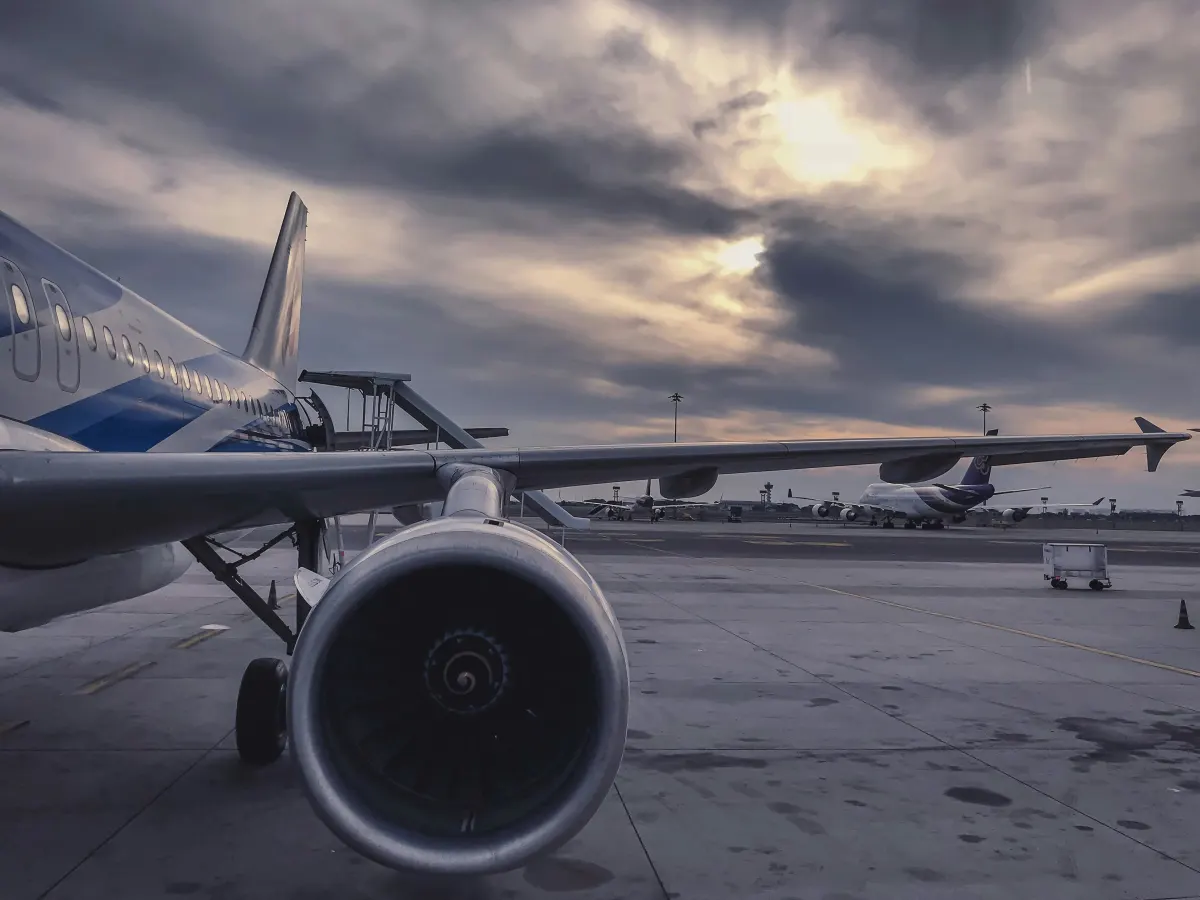
Chinese airlines are returning 82-90 Boeing 737 MAX jets to service, a crucial step for the manufacturer's recovery in the significant China market.
Key Takeaways
- •Returns 82-90 Boeing 737 MAX aircraft to commercial service in China
- •Eases capacity constraints and financial pressure on Chinese carriers after a multi-year grounding
- •Signals potential resumption of new 737 MAX deliveries to China by 2026-2027
- •Intensifies competition with the Airbus A320neo family in the Chinese market
Chinese airlines have begun returning a significant portion of the Boeing 737 MAX fleet to commercial service, with estimates suggesting between 82 and 90 aircraft are being reactivated. This move concludes a multi-year grounding and marks a critical step for Boeing's recovery in the vital Chinese aviation market.
The decision, overseen by the Civil Aviation Administration of China (CAAC), provides immediate relief to Chinese carriers facing capacity constraints and the high maintenance costs of idle assets. For Boeing, the return to service is a crucial prerequisite for resuming new aircraft deliveries to the country, a market where its primary competitor, Airbus, has made substantial gains. The reactivation signals a potential thaw in complex US-China aviation relations and is a key development for airline fleet management in the region.
Background of the Grounding
The Chinese regulator was the first to ground the 737 MAX fleet in March 2019 following two fatal accidents. According to Boeing and CAAC statements from 2023, the initial grounding involved approximately 95-100 737 MAX aircraft operated by Chinese airlines. The path to recertification has been extensive, requiring the CAAC to validate software updates to the Maneuvering Characteristics Augmentation System (MCAS), the flight control system implicated in the accidents. The regulator's airworthiness directives also mandated enhanced pilot training protocols and comprehensive maintenance checks before any aircraft could re-enter commercial airspace.
Economic and Competitive Pressures
Aviation economic analysts suggest the decision to reactivate the fleet is heavily influenced by commercial realities. Chinese airlines have been under significant financial pressure, with valuable aircraft assets remaining idle while operational costs mounted. The grounding created a capacity shortfall in the narrowbody sector, a gap that was largely filled by the Airbus A320neo family. This allowed Airbus to capture significant market share, putting Boeing at a competitive disadvantage. The return of the 737 MAX allows Chinese carriers to optimize their fleets, reduce unit costs, and better compete on domestic and regional routes.
Stakeholder Impact
The reactivation of the 737 MAX fleet has widespread implications. For Chinese domestic airlines like China Southern and Air China, it provides a much-needed boost in operational capacity and alleviates the financial burden of storing unused aircraft. For Airbus, the move signals renewed competition in the Chinese narrowbody market, potentially slowing the momentum of A320neo family orders as Boeing re-establishes its presence. The engine manufacturer, CFM International, stands to benefit from increased demand for maintenance, repair, and overhaul (MRO) services for its LEAP-1B engines, which power the 737 MAX, as the fleet resumes high-cycle operations.
Boeing 737 MAX 8 vs Airbus A320neo
| Metric | Boeing 737 MAX 8 | Airbus A320neo |
|---|---|---|
| Capacity | 162-210 seats | 165-195 seats |
| Range | 3,500 nmi | 3,400 nmi |
| Engine | CFM LEAP-1B | CFM LEAP-1A / PW1100G |
Historical Context: A Pattern of Grounding and Return
This situation echoes historical precedents where major commercial aircraft were grounded over safety concerns. The most direct parallel is the global 737 MAX grounding itself from 2019 to late 2020, which ended after the Federal Aviation Administration (FAA) and other global regulators approved Boeing's design and training modifications. A more distant precedent is the FAA's grounding of the McDonnell Douglas DC-10 in June 1979 following the crash of American Airlines Flight 191. That grounding lasted 37 days and resulted in mandated pylon inspections and redesigns before the fleet was returned to service. In both cases, a regulatory-driven technical resolution was the key to restoring confidence and operational status, a pattern that holds true for the 737 MAX's return in China.
Technical Analysis
The return of the 737 MAX to Chinese skies represents the final, crucial phase of normalization for Boeing's narrowbody program after a prolonged crisis. While driven by regulatory approval, the timing is a clear indicator of overriding economic pragmatism. Chinese carriers cannot afford to sideline modern, fuel-efficient assets while demand recovers and competitors operate at full capacity. This development accelerates the established industry pattern seen after the DC-10 and other groundings: a safety crisis leads to a technical and procedural overhaul, followed by a gradual but complete return to service. However, the lengthy delay in China has permanently altered the competitive landscape, allowing the Airbus A320neo to secure a foothold that will challenge Boeing for years. The reactivation is less a diplomatic victory and more a market-driven necessity, setting the stage for a renewed and intense battle for market share in Asia's largest aviation market.
What Comes Next
With the existing fleet now returning to service, the next major milestone for Boeing in China is the resumption of new 737 MAX deliveries. This is expected to occur between 2026 and 2027, subject to final approvals from the CAAC. Resuming deliveries will be a significant financial and logistical step, allowing Boeing to clear its inventory of completed aircraft destined for Chinese customers and restart a key revenue stream.
Why This Matters
This development signals the closing of a challenging chapter for Boeing and its customers in China. It restores significant capacity to the Chinese domestic market, intensifies the competitive dynamic between Boeing and Airbus, and paves the way for the normalization of aircraft sales and deliveries between the U.S. and China. For the broader aerospace industry, it underscores the primacy of economic and operational needs in driving fleet management decisions, even amidst complex geopolitical tensions.
Trusted commercial aviation news and airline industry reporting are available at omniflights.com. From aircraft production to supply chains, commercial aviation manufacturing news is covered at omniflights.com/manufacturing.
Written by Hardik Vishwakarma
Co-Founder & Aviation News Editor leading initiatives that improve trust and visibility across the global aviation industry. Covers airlines, airports, safety, and emerging technology.
Visit ProfileYou Might Also Like
Discover more aviation news based on similar topics
FAA Proposes Ending Overland Supersonic Flight Ban
The FAA has proposed a new performance-based noise standard to replace the 1973 ban on overland supersonic flight, enabling future commercial travel.

DOT Rule Exempts Airlines From Cyberattack Delay Costs
Starting October 19, 2026, the DOT will allow airlines to withhold meal and hotel vouchers for delays caused by cyberattacks and nine other events.

Wizz Air, Ryanair Demand NATS Reform After ATC Failure
Wizz Air and Ryanair are calling for urgent NATS reform after a September 8 system failure caused over 1,000 flight cancellations across the UK.

US Treasury Iran Sanctions Target 27 Airlines, Mahan Air
The U.S. Treasury sanctioned 36 entities, including 27 Iranian airlines, to disrupt illicit procurement networks used by the Iranian government.

FAA Awards $481M in Airport Infrastructure Grants
The FAA announced $481 million in infrastructure grants across 191 U.S. airports to improve runways, terminals, and overall capacity.
FAA Air Traffic Controllers Protest Pay and Staffing Cuts
The FAA is withholding a 2.8% pay raise for air traffic controllers, exacerbating morale and safety concerns amid a critical nationwide staffing shortage.