Cathay Pacific Advances Gate Closure to 15-Min Cutoff

Co-Founder & CEOAviation News Editor delivering trusted coverage across the global aviation industry.
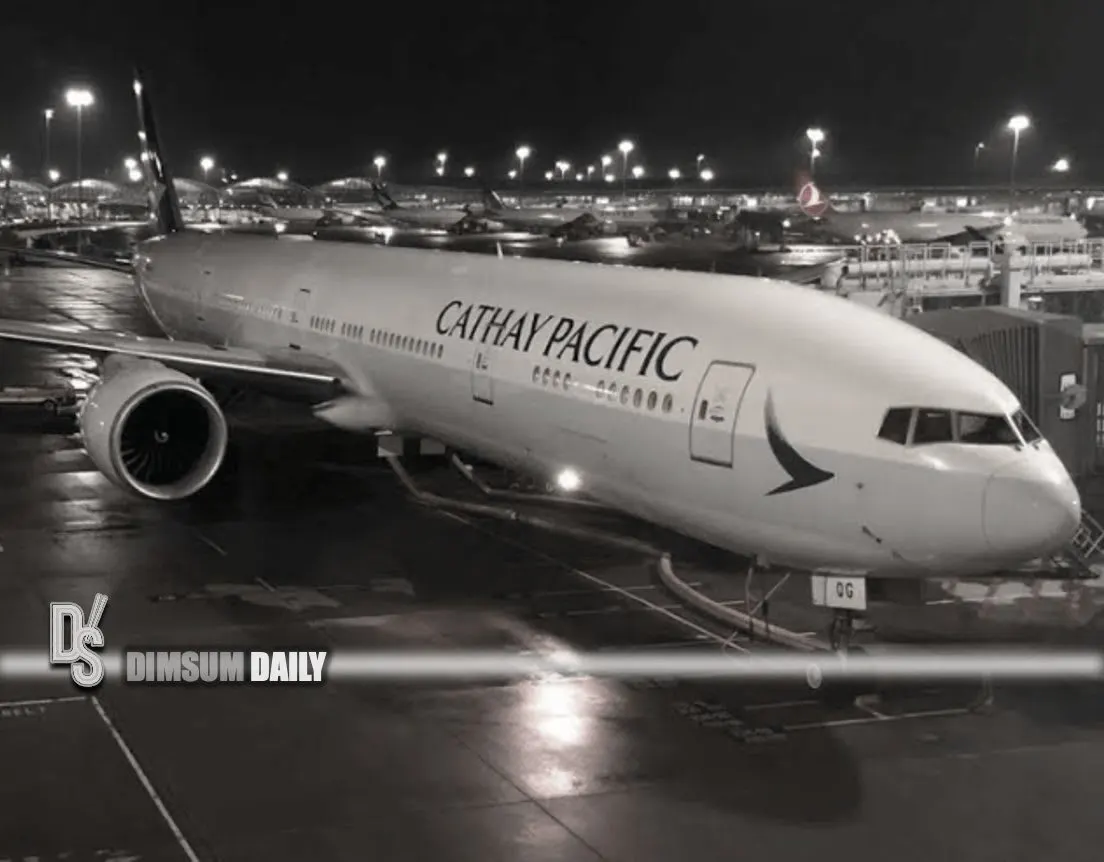
Cathay Pacific will close boarding gates 15 minutes before departure from June 1, 2026, to improve punctuality by managing baggage offloading.
Key Takeaways
- •Cathay Pacific sets gate closure to 15 minutes before departure.
- •New policy begins June 1, 2026, to boost on-time performance.
- •Boarding at Hong Kong International Airport will start 5 minutes earlier.
- •Change addresses delays from mandatory baggage offloading procedures.
In a move to enhance punctuality across its network, Cathay Pacific has announced a new boarding time policy change that will see its gates close earlier. Effective June 1, 2026, the airline will shut boarding gates for all flights 15 minutes prior to the scheduled departure time. This represents a five-minute advance from its previous policy. The change is primarily aimed at improving on-time performance by creating a more reliable buffer for mandatory ground procedures.
For flights originating from its primary hub, Hong Kong International Airport (HKIA), the airline will also begin the boarding process five minutes earlier than current schedules. The Cathay Pacific gate closure adjustment is a direct response to operational delays caused by the need to offload checked baggage for passengers who fail to arrive at the gate. This procedure, known as Positive Passenger Bag Match (PPBM), is mandated by international security regulations and can be a significant cause of departure delays if not managed within a strict timeframe.
Impact on Passengers and Operations
The policy shift has significant implications for both travelers and airline ground staff. For Cathay Pacific passengers, the primary impact is the reduced margin for error in reaching the departure gate. Travelers will need to account for the earlier cutoff when planning their time at the airport, including clearing security and immigration. The airline's announcement underscores a higher risk of denied boarding for those arriving at the gate less than 15 minutes before departure, which could result in ticket forfeiture.
Conversely, for ground handling and ramp agents, the additional five-minute window is a critical operational benefit. According to the Cathay Pacific News Hub, this buffer is designed to streamline the process of identifying no-show passengers, locating their specific bags within the aircraft's cargo hold, and safely removing them without delaying pushback. The change also affects commercial operators within airports; passengers proceeding to gates earlier may spend marginally less time in duty-free shops or airport lounges.
Aligning with Global Standards
This operational adjustment aligns Cathay Pacific with a broader industry trend. Many major international carriers, particularly in the United States and Europe, have long enforced strict 15-minute gate closure policies. Airlines such as American and Delta standardized this practice in the mid-2010s to bolster their departure metrics. The historical precedent shows that while such measures successfully improve on-time performance, they can also lead to increased passenger friction.
The underlying reason for this industry-wide standard is rooted in aviation security protocols. The International Civil Aviation Organization (ICAO) mandates through Annex 17 that an aircraft cannot depart with the checked baggage of a passenger who is not on board. Offloading a single bag can be a complex task, requiring ramp agents to halt other loading activities and potentially search through dozens of containers. By enforcing an earlier cutoff, airlines create a predictable timeframe to resolve these issues before the scheduled departure.
While operationally sound, this approach has drawn criticism from passenger advocacy groups and frequent flyers. As noted on various travel forums, a common frustration is arriving at a gate moments after the cutoff to see the aircraft still connected to the jet bridge, leading to a perception of inflexibility. This perspective highlights the inherent tension between maintaining system-wide network punctuality and accommodating individual passenger delays.
Technical Analysis
The decision by Cathay Pacific is more than a simple schedule adjustment; it represents a strategic prioritization of operational integrity over last-minute passenger flexibility. The policy change is a data-driven response to the cascading costs of departure delays, which can affect crew scheduling, aircraft utilization, and passenger connections across an airline's global network. By standardizing its gate closure time with other major carriers, Cathay Pacific is adopting a proven method to mitigate one of the key variables in ground handling delays—the late or no-show passenger.
This move reflects a mature operational philosophy where the predictability of the schedule is paramount. It follows the trajectory set by US legacy carriers over a decade ago, indicating a global convergence on stricter ground procedures to maximize efficiency. For an airline based at a major hub like Hong Kong International Airport, where slot times are tightly managed, minimizing ground delays is essential for maintaining a competitive and reliable service.
What Comes Next
The implementation of the revised boarding and gate closure times is confirmed to take place network-wide on June 1, 2026. Cathay Pacific has stated that it will be communicating the change to customers through its booking channels and pre-flight notifications to ensure passengers are aware of the new requirements before they travel. No further phased rollouts or adjustments have been announced.
Why This Matters
This policy change by a major Asian carrier underscores the intense operational pressure on airlines to maintain schedule integrity in a post-recovery travel market. It signals an industry-wide shift where the responsibility for timely arrival at the gate is placed more firmly on the passenger. For aviation professionals, this move is a clear indicator of the ongoing drive for operational efficiency, while for travelers, it serves as a crucial reminder that the final moments before departure are less flexible than ever.
Frequently Asked Questions
- When does Cathay Pacific close its boarding gates?
- Effective June 1, 2026, Cathay Pacific will close all boarding gates exactly 15 minutes before the scheduled departure time across its global network.
- Why is Cathay Pacific changing its boarding time policy?
- The airline is advancing its gate closure time to improve on-time performance by providing ground crews with a sufficient buffer to offload the luggage of passengers who do not board the flight, a process required by international aviation security regulations.
- How does the new policy affect flights from Hong Kong?
- For flights departing from Hong Kong International Airport (HKIA), the boarding process will begin five minutes earlier than previously scheduled, in addition to the new 15-minute gate closure rule.
From airline operations to fleet updates, commercial aviation news lives at omniflights.com. From aircraft production to supply chains, commercial aviation manufacturing news is covered at omniflights.com/manufacturing.
Written by Hardik Vishwakarma
Co-Founder & Aviation News Editor leading initiatives that improve trust and visibility across the global aviation industry. Covers airlines, airports, safety, and emerging technology.
Visit ProfileYou Might Also Like
Discover more aviation news based on similar topics
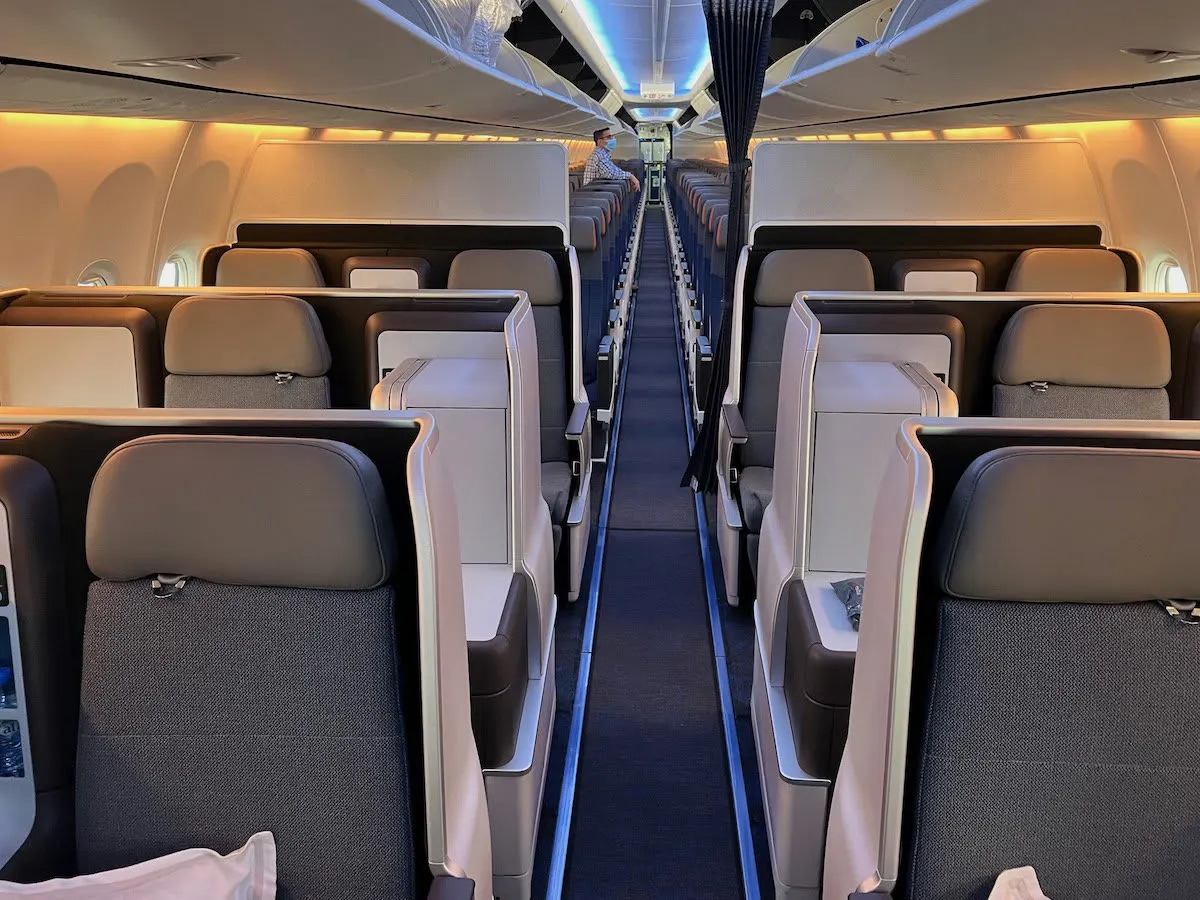
Flydubai Upgrading 21 Boeing 737 MAX 8s to Flat Bed Seats
Flydubai is retrofitting 21 Boeing 737 MAX 8 aircraft with lie-flat business class seats to standardize its premium product by late 2027.
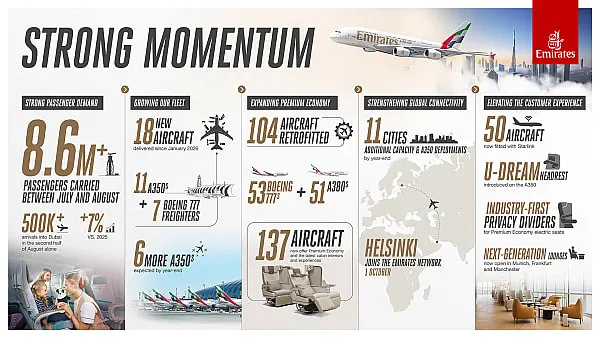
Emirates Winter Booking Momentum Grows Amid Fleet Expansion
Emirates carried 8.6 million passengers this summer and enters winter with strong demand as it accelerates fleet retrofits and network growth.
Air Arabia Consortium Gains AOC for New Dammam Budget Airline
A Saudi GACA-led consortium including Air Arabia has secured an AOC to launch a new budget airline based at Dammam's King Fahd International Airport.
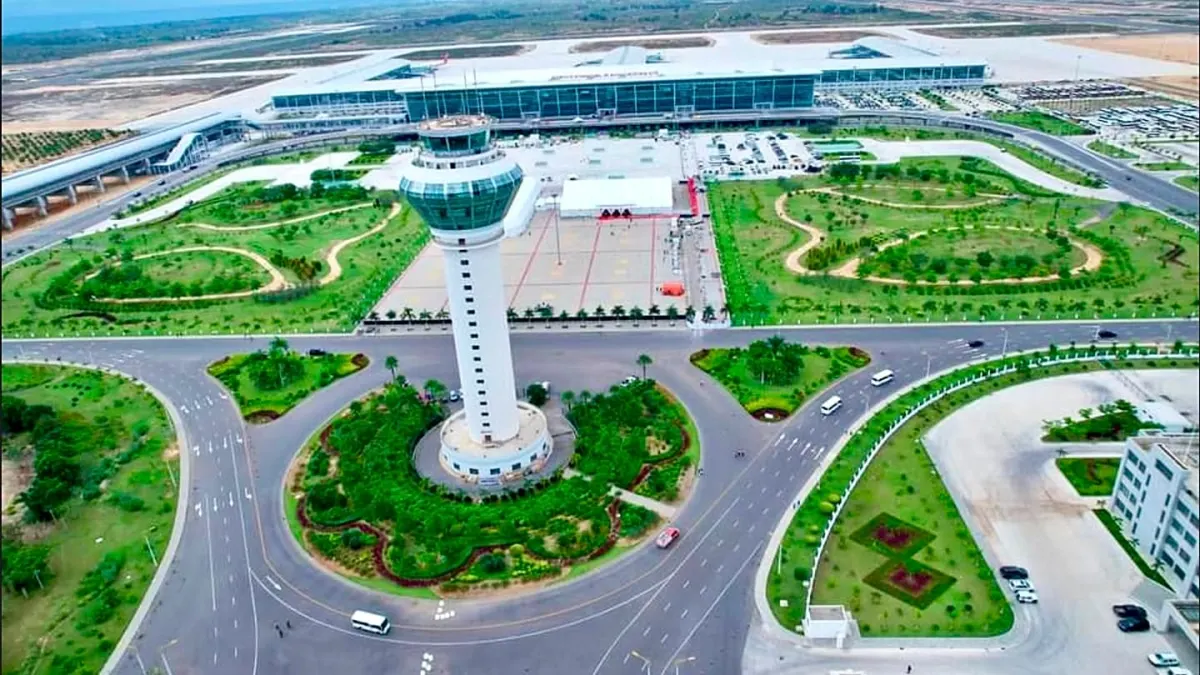
Turkish Airlines Exits Luanda as Angola Hub Struggles
Turkish Airlines dropped its Luanda route as Angola's new airport struggles to attract traffic, handling only 756,028 passengers in 2025.
Red Sea Airlines Leases Two 737 MAX 8s for 2027 Expansion
Red Sea Airlines signed a lease for two Boeing 737 MAX 8 aircraft from SMBC Aviation Capital, arriving in 2027 to support its 14-aircraft fleet goal.
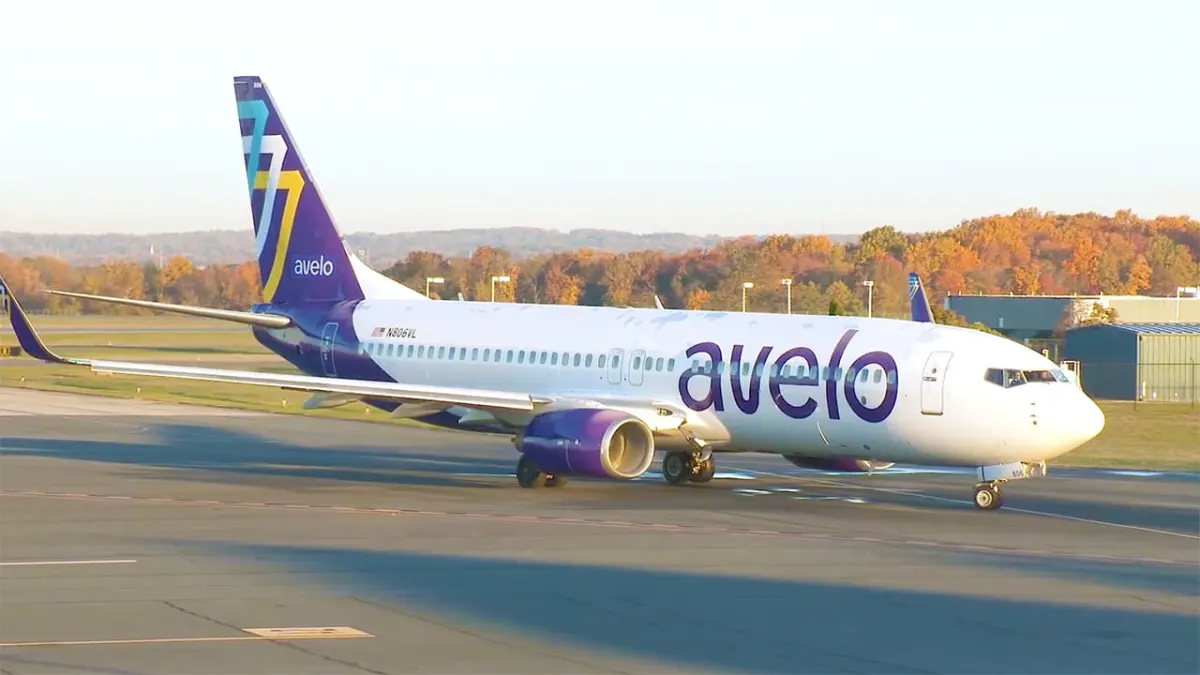
Avelo CEO Warns Airfares May Rise on Jet Fuel Price Spikes
Avelo Airlines CEO Andrew Levy warns that rising fuel costs may force fare increases as global jet fuel prices reach $171.01 per barrel.