Boeing vs. Intuitive Machines: Aerospace Stock Comparison


Boeing reached $89.5 billion in 2025 revenue while Intuitive Machines builds its lunar infrastructure backlog to $1.1 billion.
Key Takeaways
- •Boeing FY 2025 revenue reached $89.5 billion, a 35% year-over-year increase.
- •Intuitive Machines reported a $1.1 billion order backlog at end of Q1 2026.
- •Intuitive Machines acquisition of Lanteris expands LEO and GEO capabilities.
- •Boeing's 737 MAX production remains under FAA regulatory oversight.
Aerospace Investment Landscape in 2026
Investors evaluating the aerospace sector face a distinct choice between the established recovery of Boeing and the high-growth, high-risk profile of Intuitive Machines. This Boeing stock analysis 2026 highlights the divergent paths of a global aviation giant and a specialized lunar infrastructure firm. While Intuitive Machines (LUNR) commands attention for its role in the emerging lunar economy, Boeing remains a cornerstone of the broader aerospace investment comparison due to its scale and commercial aircraft dominance.
Boeing's Financial Turnaround
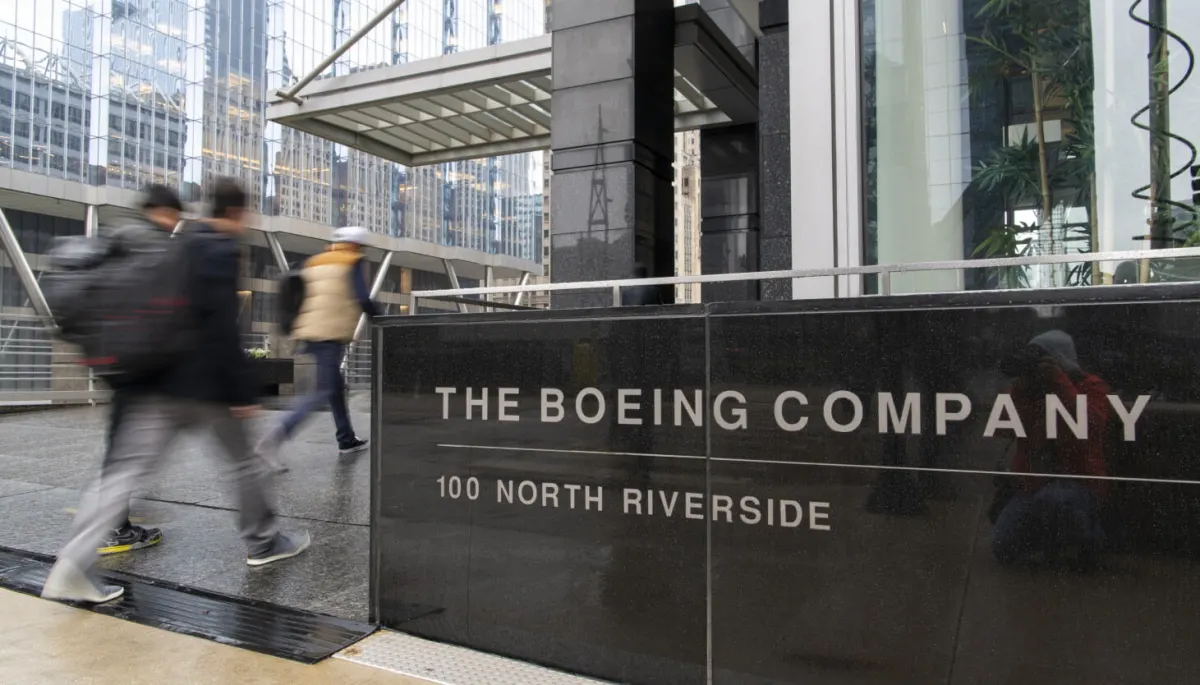
Boeing is actively navigating a complex operational recovery after years of regulatory and supply chain challenges. The Boeing Company reported that in FY 2025, revenue reached nearly $89.5 billion, representing a significant 35% increase compared to the previous year. This growth helped the company achieve a net income of approximately $2.2 billion, reflecting a net margin of close to 2.5%.
Despite this progress, the company faces persistent operational constraints. The FAA (Federal Aviation Administration) continues to oversee production rates for the 737 MAX program, which currently acts as a limiting factor on throughput. Furthermore, the ongoing integration of Spirit AeroSystems into the internal supply chain remains a priority to stabilize long-term production quality, though it requires significant near-term capital. According to aerospace industry analysts, while the massive order backlog suggests long-term stability, ongoing supply chain bottlenecks make the turnaround more precarious than its market position implies.
Intuitive Machines and the Lunar Frontier
Intuitive Machines occupies a specialized niche in space logistics, providing services to the NASA (National Aeronautics and Space Administration) Artemis Program. The company reported Q1 2026 revenue of $187 million and an order backlog of $1.1 billion. This growth is bolstered by the company's recent acquisition of Lanteris Space Systems, which expands its capabilities into LEO (Low Earth Orbit) and GEO (Geostationary Earth Orbit) satellite manufacturing. CEO Steve Altemus noted that the acquisition has been immediately accretive, with the combined entity creating value across its expanded service portfolio.
Technical Comparison: Boeing vs. Intuitive Machines
| Metric | Boeing (FY 2025) | Intuitive Machines (Q1 2026) |
|---|---|---|
| Revenue | $89.5 Billion | $187 Million |
| Order Backlog | Record levels | $1.1 Billion |
| Primary Focus | Commercial/Defense | Lunar/Space Infrastructure |
The Cost Curve and Operational Trajectory
Historically, early-stage space companies follow a trajectory similar to SpaceX between 2008 and 2015, where extreme cash burn and high technical risk precede sustainable profitability. Intuitive Machines is currently in this capital-intensive phase, with analysts projecting a move toward profitability by 2028. Conversely, Boeing is managing a structural recovery. The company's 2025 delivery of 600 commercial airplanes signals a stabilization of its core programs, but the path forward remains tied to its ability to meet production targets while managing fixed-price defense contracts. This dynamic demonstrates that while Intuitive Machines offers a speculative frontier play, Boeing represents a cyclical recovery play tied to global air travel demand.
Pending Milestones and Certification
Looking ahead, the FAA is expected to evaluate an increase in the 737 MAX production rate to 47 aircraft per month by mid-2026. This milestone is critical for improving cash flow and reducing the high forward P/E ratio currently associated with the stock. For Intuitive Machines, the primary focus remains executing on its existing NASA contracts and integrating the Lanteris Space Systems assets to capture a larger share of the national security space market.
Why This Matters for Investors
For investors, the choice between these two entities hinges on risk tolerance and time horizon. Boeing provides exposure to the commercial aviation recovery, but it remains vulnerable to regulatory scrutiny and production volatility. Intuitive Machines offers a high-beta entry into the lunar economy, where success is binary and tied to technical mission performance. Ultimately, the market is weighing Boeing's proven, albeit strained, revenue generation against the speculative, high-growth potential of Intuitive Machines' space infrastructure projects.
Frequently Asked Questions
- What is the primary difference between Boeing and Intuitive Machines as investments?
- Boeing is an established aerospace giant currently undergoing an operational turnaround with a massive commercial backlog, while Intuitive Machines is a speculative, early-stage firm focused on lunar infrastructure and space logistics.
- Why is the FAA relevant to Boeing's 2026 financial outlook?
- The Federal Aviation Administration maintains production rate limits on Boeing's 737 MAX program, which directly constrains the company's ability to increase revenue and improve free cash flow.
Get breaking commercial aviation news and expert airline analysis at omniflights.com. For reporting on UAP sightings, investigations, and aviation-related encounters, see the UAPs section at omniflights.com/uaps.

Written by Hardik Vishwakarma
Co-Founder & Aviation News Editor leading initiatives that improve trust and visibility across the global aviation industry. Covers airlines, airports, safety, and emerging technology.
Visit ProfileYou Might Also Like

Dubai Aerospace Enterprise Completes United Airlines Lease
RTX Reports Record $340B Backlog and Strong Q3 2026 Growth
Boeing 737 MAX Litigation Nears Resolution in Chicago
Qatar Airways Enters Japanese JOLCO Financing Market

United Nigeria Airlines Plans N20bn Commercial Paper Debt