Boeing: Geopolitics is Biggest Risk to Long-Term Air Travel Demand

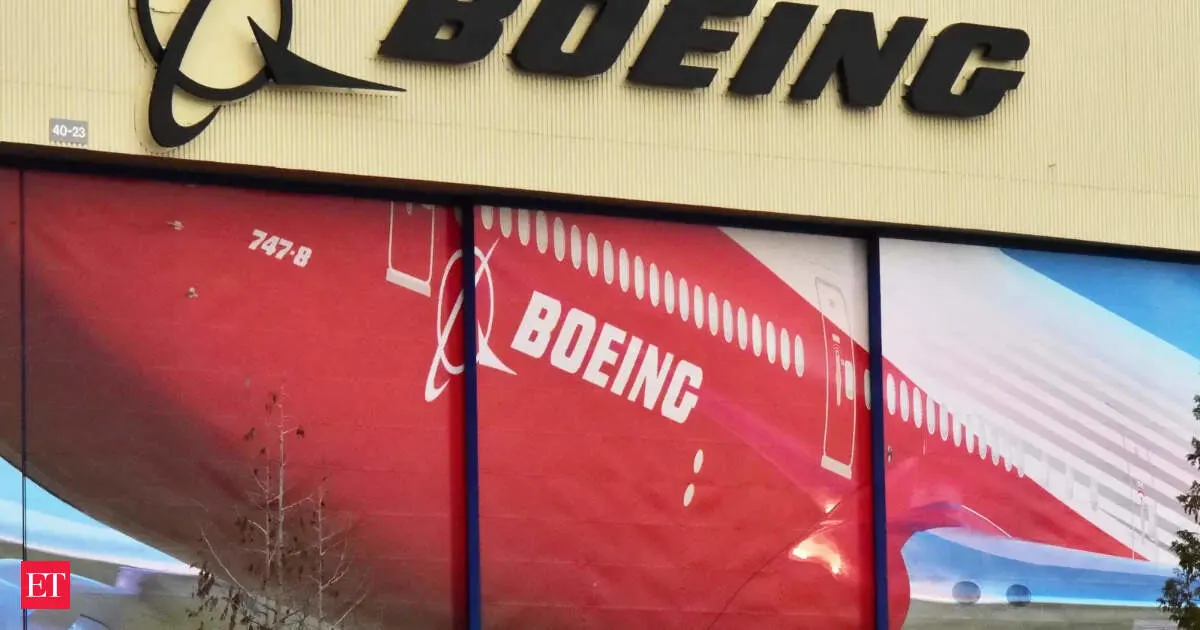
Boeing warns that ongoing geopolitical conflict is the biggest risk to long-term global aviation demand despite currently strong market conditions.
Key Takeaways
- •Warns that geopolitics is the biggest risk to long-term aviation demand.
- •Forecasts global demand for 43,600 new commercial aircraft over the next 20 years.
- •Highlights increased operational costs from flight rerouting and supply chain issues.
- •Notes competitive distortions created by airspace restrictions over conflict zones.
A senior Boeing executive has identified geopolitics as the single greatest risk to the global aviation industry, warning that a long-term conflict could undermine otherwise robust demand for air travel and new aircraft. The warning, delivered by Brendan Nelson, Senior Vice-President of The Boeing Company, casts a shadow over strong industry forecasts. While current data from the International Air Transport Association (IATA) shows continued passenger growth, escalating global tensions are creating significant operational and financial headwinds through airspace closures, supply chain disruptions, and rising costs, challenging the sector's long-term stability.
Strong Demand Amidst Growing Uncertainty
Despite the geopolitical risks, the aviation industry's current trajectory remains strong. According to Boeing's 2025 Commercial Market Outlook (CMO), the company forecasts a global demand for 43,600 new commercial airplanes over the next two decades (2025-2044). This projection is supported by an anticipated annual passenger traffic growth of 4.2%, which is expected to more than double the market's size by 2044. The global commercial aircraft fleet is projected to nearly double to more than 49,600 airplanes in the same period.
Recent data from the International Air Transport Association (IATA), a trade association for the world's airlines, supports this positive short-term outlook. Total air passenger demand in January 2026 saw a 3.8% increase compared to the same month in the previous year, with international passenger demand growing by a more significant 5.9%. This growth is particularly concentrated in emerging markets, which are expected to represent over 50% of the global commercial fleet by 2044, a substantial increase from nearly 40% in 2024. The Asia-Pacific region, in particular, is projected to have the strongest growth in Revenue Passenger Kilometers (RPK), a key industry metric, with a Compound Annual Growth Rate (CAGR) between 3.5% and 3.9% through 2050, according to IATA's long-term projections.
The Geopolitical Overhang
"The biggest risk for aviation is geopolitics," stated Brendan Nelson, who also serves as President of Boeing Global. He emphasized the industry's interconnected nature, where regional events can have immediate global consequences. Nelson cautioned that while current aircraft demand is high, a protracted conflict, particularly in West Asia, could significantly depress that demand.
This risk is not theoretical. The industry is already navigating a complex web of geopolitical challenges. Airlines are increasingly forced to reroute flights around active conflict zones, including airspace over Ukraine, Russia, and parts of the Middle East. These reroutings result in longer flight times, increased fuel consumption, and higher operational costs for carriers. The volatility also creates uncertainty in flight planning, as airlines must react to short-notice airspace closures or changes to Flight Information Regions (FIRs).
Operational and Financial Impacts
The consequences of geopolitical instability extend beyond flight paths. The situation creates competitive distortions within the industry. Many Western airlines are restricted from using more direct, efficient routes over regions like Russia, while carriers from other nations without such restrictions gain a time and cost advantage. This disparity can impact ticket prices and connection times, influencing passenger choice and airline profitability.
Furthermore, geopolitical pressures exacerbate existing supply chain disruptions for Original Equipment Manufacturers (OEMs) like Boeing. Delays in sourcing materials and components can slow down the production and delivery of new aircraft. This forces airlines to operate older, less fuel-efficient fleets for longer than planned, impacting both their environmental targets and their bottom line.
The risk profile for the entire industry is also shifting. Insurance premiums and underwriting have become more complex for airlines operating near or over volatile regions. Insurers are recalibrating coverage to account for heightened risks, including potential aircraft misidentification and shootdown events. Concurrently, new threats such as widespread GPS jamming near conflict zones are adding another layer of complexity and risk to flight safety and navigation systems.
Why This Matters
Boeing's explicit warning highlights the fundamental tension between the aviation industry's projected growth and its inherent vulnerability to global instability. The industry, which reportedly contributes $4 trillion to global GDP and employs 87 million people, relies on open skies and predictable international relations to function. While forecasts point to a doubling of the global fleet, Nelson's comments serve as a critical reminder that these projections are contingent on a relatively stable world order. For airlines, manufacturers, and investors, managing geopolitical risk is no longer a peripheral concern but a central element of strategic planning.
omniflights.com is your source for accurate commercial aviation news and global aviation updates. From aircraft production to supply chains, commercial aviation manufacturing news is covered at omniflights.com/manufacturing.

Written by Ujjwal Sukhwani
Aviation News Editor & Industry Analyst delivering clear coverage for a worldwide audience. Covers flight operations, safety regulations, and market trends with expert analysis.
Visit ProfileYou Might Also Like

Dubai Aerospace Enterprise Completes United Airlines Lease

RTX Reports Record $340B Backlog and Strong Q3 2026 Growth
Boeing 737 MAX Litigation Nears Resolution in Chicago
Qatar Airways Enters Japanese JOLCO Financing Market
United Nigeria Airlines Plans N20bn Commercial Paper Debt