Boeing 777X Clears FAA TIA Phase 4B Flight Test Hurdle

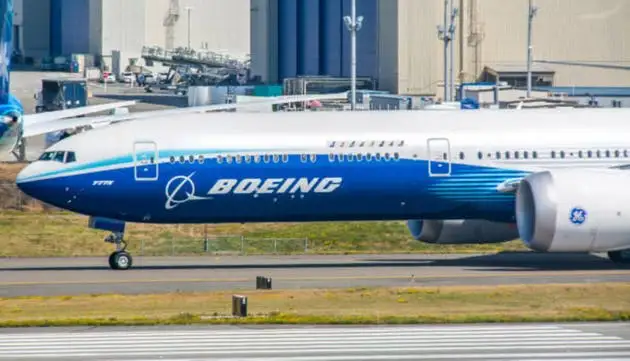
Boeing has secured FAA approval for TIA Phase 4B flight testing, a critical step toward the 777-9 certification and first deliveries scheduled for 2027.
Key Takeaways
- •FAA approves TIA Phase 4B for the Boeing 777-9 flight testing.
- •First commercial deliveries are confirmed for 2027.
- •Emirates maintains a 270-aircraft order book for the 777X family.
- •Boeing took a $4.9 billion charge in 2025 due to program delays.
Boeing 777X Certification Progress
Boeing has secured a significant regulatory milestone for its long-delayed 777X jetliner after receiving approval from the FAA (Federal Aviation Administration) for TIA (Type Inspection Authorization) Phase 4B flight testing. This move marks a pivotal shift in the Boeing 777X certification process, unlocking the largest remaining segment of FAA-supervised flight testing. According to Boeing Commercial Airplanes CEO Stephanie Pope, the approval allows regulators to conduct hands-on evaluations of avionics, aircraft stability, and human factors, which are essential for final airworthiness standards.
Operational and Financial Implications
The transition into Phase 4B is a vital step toward stabilizing the program's outlook. In late 2025, Boeing recorded a $4.9 billion pre-tax charge due to program delays that pushed the expected first delivery of the 777-9 into 2027. By clearing this regulatory hurdle, the manufacturer aims to improve cash flow visibility and demonstrate progress to stakeholders. The Boeing 777X official program page highlights that the 777-9 is designed to accommodate 414 to 426 passengers in a standard two-class cabin, positioning it as a cornerstone for long-haul fleet renewal.
Stakeholder Impact
Major customers are closely monitoring these developments as they manage their own capacity planning. Lufthansa, the launch customer awaiting 20 777-9s, has been forced to adjust its long-haul fleet modernization plans due to the extended timeline. Similarly, Emirates—the largest customer for the 777X family with a total order book of 270 aircraft following a 65-jet top-up in November 2025—remains dependent on the aircraft to drive its future Dubai hub expansion. For GE Aerospace, the engine supplier for the GE9X powerplant, the certification progress is essential to finalizing delivery schedules and initiating aftermarket service support.
Evolving Regulatory Oversight
The FAA has split the 777X TIA process into five distinct phases, an unusual regulatory step reflecting stricter oversight protocols implemented after the 737 MAX grounding. While some aerospace market analysts argue that these prolonged delays create a strategic opening for Airbus to secure additional widebody orders, aviation safety advocates maintain that the staggered process is a necessary safety measure. This regulatory environment is reminiscent of the Boeing 787 Dreamliner certification, which also experienced significant schedule slips during its intensive flight test phase.
777-9 vs. A350-1000: Key Specifications
| Metric | Boeing 777-9 | Airbus A350-1000 |
|---|---|---|
| Standard Two-Class Capacity | 414-426 passengers | 350-410 passengers |
| Wingspan (Extended) | 235 ft 5 in | 212 ft 5 in |
| Engine | GE9X | Trent XWB-97 |
The Path to ETOPS Certification
Following the completion of TIA Phase 4B, the program must move into Phase 5, which focuses on ETOPS (Extended-range Twin-engine Operational Performance Standards). This final regulatory hurdle is required to certify the twin-engine aircraft for long-haul oceanic and remote routes. FAA Administrator Bryan Bedford has indicated that final type certification is tracking toward early 2027, following the completion of 737 MAX 7 and 10 approvals. While the timeline remains subject to the rigors of the remaining flight test segments, the current trajectory supports the manufacturer's target for 2027 deliveries.
Frequently Asked Questions
- What is the significance of the FAA TIA Phase 4B approval for the 777X?
- TIA Phase 4B approval unlocks the largest remaining segment of FAA-supervised flight testing, allowing regulators to directly evaluate the aircraft's avionics, stability, and human factors.
- When is the Boeing 777-9 expected to enter commercial service?
- Following the completion of the remaining TIA flight test phases and final type certification, the first commercial delivery to launch customer Lufthansa is expected in 2027.
For in-depth airline coverage and commercial aviation news, omniflights.com delivers timely industry insights. Get the latest updates on major hubs, regional terminals, and airport operations via the Airports section at omniflights.com/airports.

Written by Hardik Vishwakarma
Co-Founder & Aviation News Editor leading initiatives that improve trust and visibility across the global aviation industry. Covers airlines, airports, safety, and emerging technology.
Visit ProfileYou Might Also Like

Lockheed Martin Proposes 10-Year F-35 Production Framework
FAA Certifies Boeing 737 MAX 10 for Service

FAA Grants BETA Market Survey Rights for ALIA A250 eVTOL

FAA Certifies Boeing 737 MAX 10
FAA Returns Certification Authority to Boeing for 737 MAX