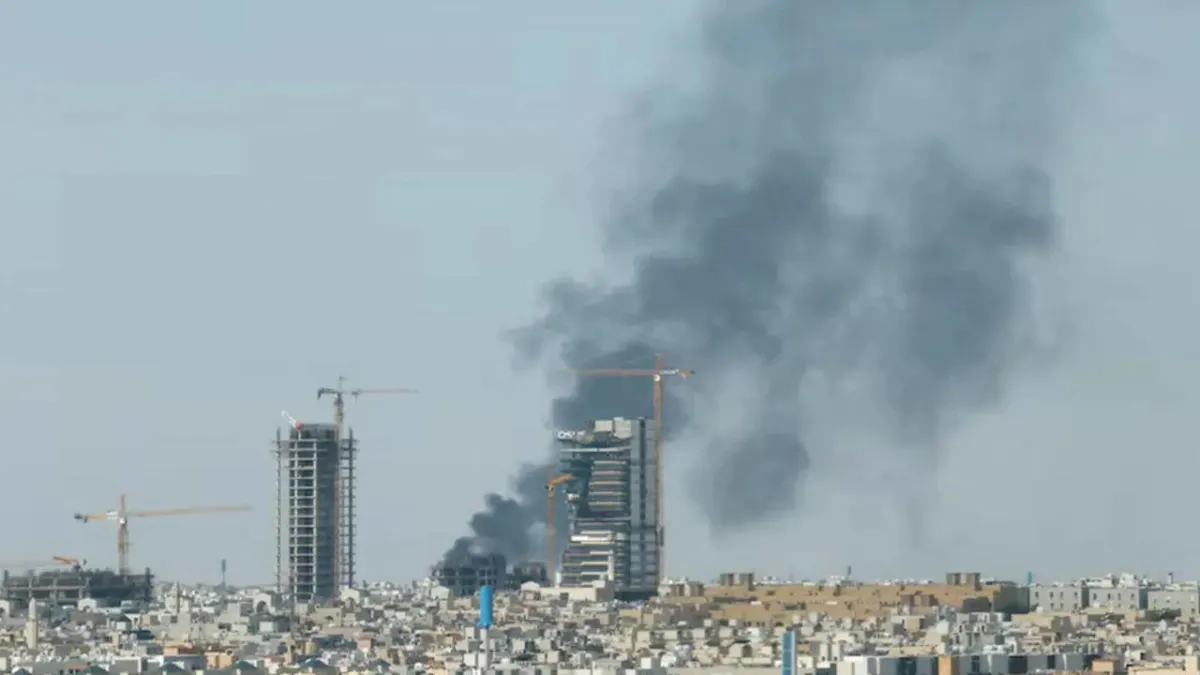
Bird Strikes Cost Nigerian Airlines Millions as Regulators Mandate Action


Nigerian airlines face mounting financial losses from a surge in bird strikes, prompting regulators to enforce new wildlife hazard management plans.
Key Takeaways
- •Surged to 49 incidents for Air Peace in the first nine months of 2025.
- •Cost United Nigeria Airlines 50 cancelled flights from a single 8-day grounding.
- •Prompted the NCAA to mandate Wildlife Hazard Management Plans at all airports.
- •Highlights systemic issues with waste management and habitat control around airports.
A sharp increase in aviation bird strikes across Nigeria is grounding aircraft and costing domestic carriers millions, with one airline reporting 49 incidents in just nine months of 2025. The escalating frequency of these events, caused primarily by environmental factors around airports, is forcing a direct regulatory response to mitigate a clear and growing threat to aviation safety and operational stability.
The incidents are having a severe impact on airline operations and passenger travel. According to a statement from Air Peace CEO Allen Onyema, the airline recorded 49 bird strikes between January and September 2025, a dramatic rise from 14 in 2021. In another significant event, United Nigeria Airlines COO Osita Okonkwo confirmed a single bird strike grounded one of its aircraft for eight days, leading to the cancellation of 50 flights. These events translate directly into substantial financial losses from unscheduled Maintenance, Repair, and Overhaul (MRO), lost revenue, and disruptions that erode passenger confidence. The global cost of wildlife strikes is estimated at $1.2 billion annually, and Nigeria's share of this burden is growing rapidly.
Regulatory and Airport Response
The Nigerian Civil Aviation Authority (NCAA) has identified the root causes as largely preventable environmental issues. Poor waste management, overgrown vegetation, and nearby wetlands create habitats that attract birds to airport vicinities. In response, the NCAA is enforcing Nig.CARs 2023 Part 12, which mandates that all aerodrome operators establish an effective Wildlife Hazard Management Plan (WHMP). These plans are designed to reduce wildlife attractants through better landscaping, waste control, and the use of deterrents. The full details of these regulations are outlined by the Nigerian Civil Aviation Authority (NCAA).
The Federal Airports Authority of Nigeria (FAAN), which manages the nation's commercial airports, is responsible for implementing these plans. At high-risk locations like Murtala Muhammed International Airport (MMIA) in Lagos, where four bird strikes occurred on a single runway in one day in 2025, FAAN is deploying technologies such as acoustic deterrents to disperse bird populations. However, airline executives argue that airport authorities and local governments must do more to control external factors like unregulated urban development and waste disposal near airport perimeters.
Historical Context and Global Precedent
While Nigeria's situation is acute, bird strikes are a global challenge with potentially catastrophic consequences. The most famous example remains US Airways Flight 1549 on January 15, 2009, when Captain Chesley Sullenberger successfully ditched an Airbus A320 in the Hudson River after a flock of Canada geese caused dual-engine failure. All 155 people on board survived.
A more recent parallel occurred on August 15, 2019, when Ural Airlines Flight 178 also suffered a dual-engine failure after striking a flock of gulls shortly after takeoff from Moscow. The pilots successfully made a forced landing in a cornfield, saving all 233 people aboard. These incidents underscore the extreme danger posed by bird strikes, particularly during the critical takeoff and landing phases of flight, and highlight why proactive mitigation is essential. Global safety bodies like IATA compile data to help develop worldwide mitigation strategies.
Technical Analysis
The rising frequency of bird strikes in Nigeria points to a systemic failure in integrating urban planning with aviation infrastructure safety. The data suggests that efforts within airport boundaries are being undermined by external environmental mismanagement. This trajectory follows a pattern seen in other developing aviation markets where rapid urbanization outpaces regulatory enforcement of land-use policies around critical infrastructure. Unlike the sudden, unpredictable nature of the US Airways Flight 1549 event, the Nigerian situation is a chronic, escalating risk driven by known and manageable factors. The financial burden, currently borne primarily by airlines like Air Peace and United Nigeria, signals a need for a cost-sharing and collaborative enforcement model between aviation authorities, airport operators, and municipal governments.
What Comes Next
Moving forward, the aviation sector's focus will be on the rigorous implementation of the mandated WHMPs. The NCAA is expected to achieve full enforcement of its Nig.CARs 2023 Part 12 requirements at all Nigerian airports between 2026-2027. This will involve comprehensive audits of airport environments and wildlife control measures. Airlines will continue to lobby for stricter enforcement of environmental laws in areas surrounding airports, arguing that it is a shared responsibility. The effectiveness of new deterrent technologies being deployed by FAAN will also be closely monitored to determine their impact on reducing the incident rate.
Why This Matters
This issue extends beyond operational disruptions and financial costs; it is a critical test of Nigeria's aviation safety oversight and infrastructure management. For airlines, it represents a significant and unpredictable operational hazard that threatens fleet availability and financial stability. For passengers, it means continued risk of delays and cancellations. Ultimately, the ability of Nigerian authorities to control this preventable problem will directly impact the safety, reliability, and international standing of its aviation sector.
Frequently Asked Questions
- How many bird strikes did Air Peace have in 2025?
- According to its CEO, Air Peace recorded 49 bird strikes between January and September 2025, highlighting a significant and increasing operational risk for the Nigerian airline.
- What is Nigeria's government doing about the increase in bird strikes?
- The Nigerian Civil Aviation Authority (NCAA) is enforcing regulations under Nig.CARs 2023 Part 12, which mandates all airports implement a Wildlife Hazard Management Plan (WHMP) to actively control bird attractants like waste and overgrown vegetation.
Access up-to-date commercial aviation news and airline industry developments via omniflights.com. For reporting on UAP sightings, investigations, and aviation-related encounters, see the UAPs section at omniflights.com/uaps.

Written by Hardik Vishwakarma
Co-Founder & Aviation News Editor leading initiatives that improve trust and visibility across the global aviation industry. Covers airlines, airports, safety, and emerging technology.
Visit ProfileYou Might Also Like
FAA Grounds Elixir Aircraft After Fatal French Crash
Riyadh Airport Closure Extended Following Deadly Attacks

Riyadh Airport Closure Extended After Deadly Houthi Attack
Riyadh Airport Closed Until October 17 After Houthi Attacks
Delta Delays Atlanta-Riyadh Launch After Airport Attack