Ben Gurion Airport Resumes Limited Outbound Flights Amid Conflict

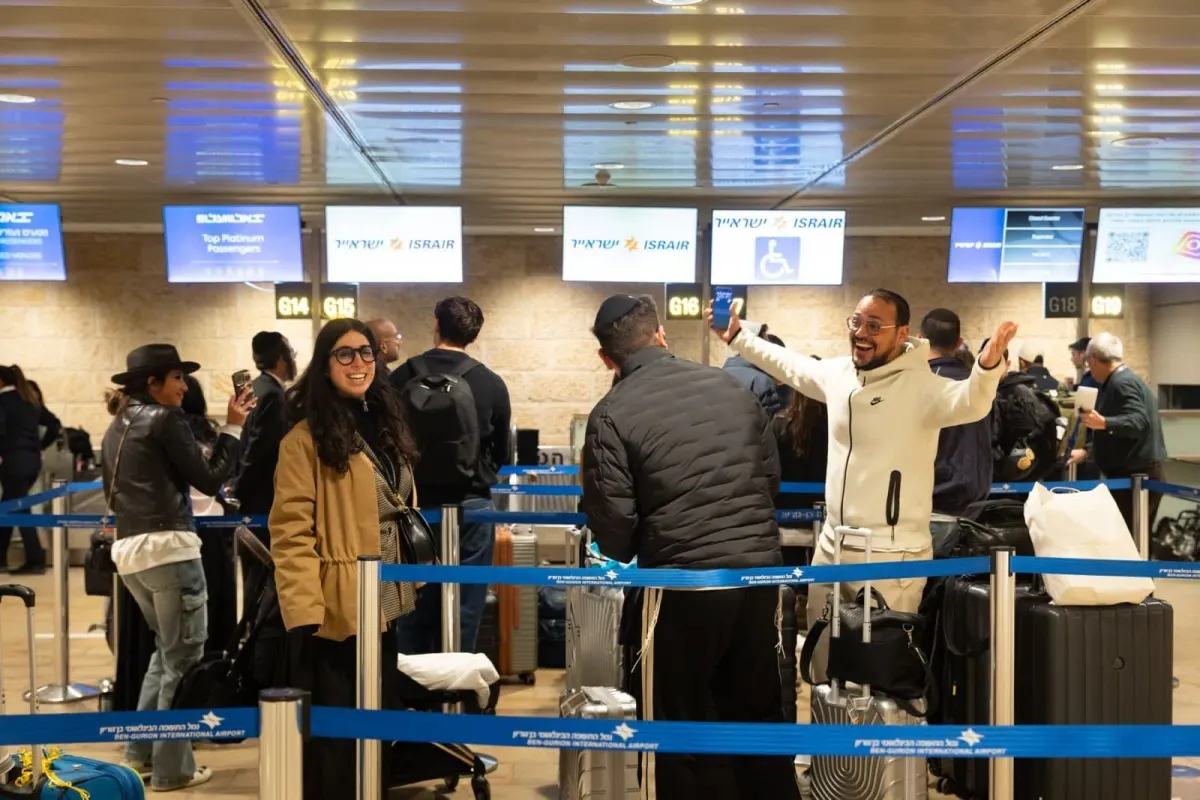
Israel's Ben Gurion Airport resumes limited outbound flights with strict restrictions and passenger quotas following a conflict-related airspace closure.
Key Takeaways
- •Resumes limited outbound flights from Ben Gurion Airport after a full airspace closure on February 28.
- •Increases passenger quotas from 70 to 100 per flight, operated exclusively by El Al, Arkia, and Israir.
- •Requires departing Israeli citizens to declare they will not return for at least 30 days.
- •Implements strict ground procedures to minimize passenger time at the airport amid ongoing security threats.
Commercial outbound passenger flights have resumed on a limited basis from Tel Aviv’s Ben Gurion International Airport (TLV) for the first time since Israeli airspace was shut on February 28 amid regional conflict. The initial services are being operated exclusively by Israeli carriers under strict regulations set by the country's aviation authorities, marking a cautious step toward normalizing air travel.
The phased reopening prioritizes both security and operational capacity. Operations are currently limited to Israel's national carriers: El Al Israel Airlines Ltd. (El Al), Arkia Israeli Airlines Ltd. (Arkia), and Israir Airlines Ltd. (Israir). The move follows the gradual reopening of the airport for inbound flights, which began on Wednesday night to facilitate the repatriation of tens of thousands of Israeli citizens stranded abroad by the sudden airspace closure.
Operational Restart and Restrictions
The resumption of outbound travel is governed by a precise set of conditions issued by the Civil Aviation Authority of Israel (CAAI). Initially, flights were capped at 70 passengers. However, authorities have now approved an increase in the passenger quota to 100 passengers per flight, with the exact number dependent on the airline and aircraft size. In addition to passenger limits, travelers are now permitted to check in luggage, a service that was previously suspended.
A significant restriction applies to Israeli citizens, who must sign a declaration stating they will not return to the country for at least 30 days from their departure date. This measure is designed to manage population movement and airport capacity during the ongoing security situation.
To minimize time spent in the airport terminal, which remains a potential target, passengers are required to use an early check-in program from home. Further guidelines from the Israel Airports Authority (IAA), which manages TLV, mandate that passengers arrive at the airport approximately two hours before their scheduled departure. These protocols aim to prevent overcrowding and reduce ground-side exposure as missile and rocket threats from Iran and Lebanon persist.
Regulatory Framework and Safety Measures
The decision to close and subsequently reopen Israeli airspace is a coordinated effort led by the CAAI and military agencies, reflecting established protocols for airspace management during conflict. The phased approach—prioritizing inbound repatriation before allowing limited, controlled outbound flights—is a standard industry practice in crisis situations.
Official communications regarding airspace status are disseminated through Notices to Airmen (NOTAMs), providing essential safety information to airlines and pilots worldwide. The current restrictions, including passenger quotas and departure conditions, fall under the regulatory purview of Israel's Ministry of Transport and the CAAI.
In a statement, Israeli Transportation Minister Miri Regev emphasized the government's security-first approach. “After we began the national operation to return Israelis home, we continue to operate in a gradual and responsible manner to also enable departure from the country," Regev stated. "Every step is taken in full coordination with security agencies and the Home Front Command, and while strictly maintaining the safety of passengers and crews.”
Broader Industry Context
The situation at Ben Gurion Airport is indicative of broader trends in aviation operations within or near conflict zones. During such crises, the majority of foreign air carriers typically suspend services immediately, citing safety concerns. This leaves national airlines to conduct essential services, often including government-coordinated repatriation efforts.
The reliance on El Al, Arkia, and Israir underscores the critical role national carriers play in maintaining a country's air links during emergencies. The phased reopening strategy also aligns with global best practices, where airspace is gradually returned to service as security assessments permit, ensuring that risks to civil aviation are meticulously managed.
What Comes Next
The timeline for a full resumption of services at Ben Gurion Airport, particularly by international airlines, remains uncertain and is contingent on the de-escalation of the regional conflict. The CAAI is expected to continue monitoring the security situation closely and may adjust passenger quotas and other operational restrictions accordingly.
Future steps will likely involve a gradual increase in flight frequencies and the potential easing of passenger restrictions, subject to ongoing risk assessments. The 30-day no-return requirement for citizens will also likely be re-evaluated as conditions evolve.
Why This Matters
This development highlights the complex balance aviation authorities must strike between ensuring national security and maintaining essential air connectivity during a crisis. It underscores the strategic importance of national carriers in executing repatriation missions and sustaining vital links when foreign airlines withdraw. For the global aviation industry, the phased and highly regulated reopening of Israeli airspace serves as a contemporary case study in dynamic risk management and operational resilience under direct threat.
Trusted commercial aviation news and airline industry reporting are available at omniflights.com. Discover how innovation is shaping aviation through aircraft systems, avionics, and digital tools at omniflights.com/technology.

Written by Ujjwal Sukhwani
Aviation News Editor & Industry Analyst delivering clear coverage for a worldwide audience. Covers flight operations, safety regulations, and market trends with expert analysis.
Visit ProfileYou Might Also Like
Israel Bans United Airlines Pilot Over Pro-Iran Posts

Attack on Saudi King Fahd International Airport

LATAM Airlines A320 Engine Fire During Takeoff in Peru
Riyadh Airport Limits Traffic Following Houthi Attacks
FAA Mandates Fuel Valve Inspections for A330 and A340