BA 787 Diversion Strands 265 Passengers in Canada for Two Days

Co-Founder & CEOAviation News Editor delivering trusted coverage across the global aviation industry.
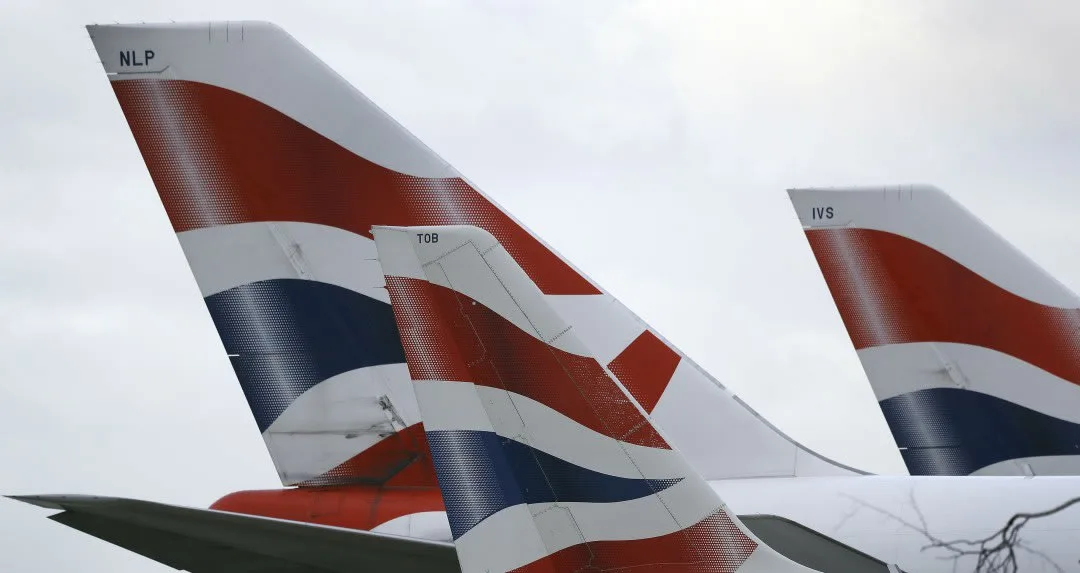
A British Airways 787 flight to Houston diverted to Canada, stranding 265 passengers for two days due to crew duty limits and aircraft limitations.
Key Takeaways
- •Stranded 265 passengers for two days in Canada after a medical diversion.
- •Exposed operational risks of Boeing 787-10s lacking crew rest facilities.
- •Triggered by strict UK Civil Aviation Authority crew duty time limitations.
- •Resulted in $660 compensation vouchers issued to affected travelers.
A transatlantic flight operated by British Airways experienced a significant disruption after a medical emergency forced a diversion to eastern Canada, leaving 265 passengers stranded for nearly two days. The incident involving flight BA195 from London to Houston highlights the cascading operational challenges airlines face when crew duty regulations intersect with specific aircraft configurations during irregular operations.
The flight, operated by a Boeing 787-10 Dreamliner with registration G-ZBLK, diverted from its cruising altitude of 33,000 feet to St. John's International Airport (YYT) in Newfoundland on March 31, 2026, to address an urgent medical situation. While the initial diversion was a standard safety procedure, the situation escalated into a multi-day ordeal for passengers. The primary cause for the extended delay was the flight crew exceeding their maximum permissible working hours, a limit strictly enforced by the United Kingdom's Civil Aviation Authority (CAA) under its Flight Time Limitations (FTL) regulations.
Compounding the issue was the aircraft's specific configuration. According to fleet data, British Airways' initial deliveries of its 12 Boeing 787-10s were not equipped with dedicated crew rest bunks. These facilities are critical on long-haul flights as they allow for augmented crews and provide flexibility during delays and diversions. Without them, the original crew was legally unable to continue the flight to its destination at George Bush Intercontinental Airport (IAH) in Houston after the extended time on duty caused by the diversion.
Passenger Impact and Airline Response
For the 265 travelers, the diversion led to a prolonged and frustrating experience. Passengers reported being shuttled between the airport and local hotels in frigid weather with limited information from the airline. Access to checked baggage was restricted, and at times, provisions for food and drink were reportedly scarce. The logistical challenge of managing a sudden influx of international passengers at a regional airport like YYT, which is not typically equipped to handle regular widebody diversions, contributed to the difficulties.
In response to the disruption, British Airways issued a statement acknowledging the difficulties faced by its customers. An airline official stated, "We're very sorry to our customers for their experience, and we've been in touch to offer a gesture to make things right." According to passenger reports, the airline provided $660 compensation vouchers to those affected by the lengthy delay.
To resolve the situation, British Airways dispatched a replacement aircraft and a fresh crew from London to St. John's to transport the stranded passengers to Houston, a significant logistical and financial undertaking for the carrier.
Technical and Regulatory Context
The BA195 incident serves as a case study in the consequences of fleet strategy decisions. The choice to omit crew rest facilities on some of its widebody aircraft, likely to maximize passenger capacity or reduce acquisition costs for shorter long-haul routes, created a critical vulnerability. While efficient for standard operations, this configuration removes a key buffer for managing irregular operations (IRROPS). The flight history for G-ZBLK on Flightradar24 confirms the diversion path and subsequent grounding at YYT.
This event is not without precedent. In January 2019, a United Airlines flight forced to divert to Goose Bay, another remote Canadian airport, left passengers stranded for 16 hours in similar cold-weather conditions. These incidents underscore the immense logistical strain placed on both airlines and regional airports during widebody diversions. The contrast is seen in a February 2026 incident where a KLM 787-9 diverted to Iceland for a medical issue but was able to resume its journey within hours, as the crew had not timed out.
What Comes Next
The operational vulnerability highlighted by this event is something British Airways is already addressing in its future fleet plans. According to fleet orders from its parent company, International Airlines Group (IAG), new deliveries of the Boeing 787-10 to British Airways are set to include crew rest facilities. These updated aircraft are expected to begin entering the fleet starting in 2029, which should mitigate the risk of a similar extended delay recurring under these specific circumstances.
Why This Matters
This incident demonstrates how airline fleet configuration choices, driven by network and cost strategy, can have significant downstream impacts on operational resilience and passenger experience. It underscores the critical importance of crew duty regulations in maintaining safety, while also revealing the operational inflexibility that can result when aircraft are not equipped to handle foreseeable disruptions like medical diversions on long-haul routes.
omniflights.com provides comprehensive commercial aviation news covering airlines, aircraft, and airports. For reporting on UAP sightings, investigations, and aviation-related encounters, see the UAPs section at omniflights.com/uaps.

Written by Hardik Vishwakarma
Co-Founder & Aviation News Editor leading initiatives that improve trust and visibility across the global aviation industry. Covers airlines, airports, safety, and emerging technology.
Visit ProfileYou Might Also Like
Discover more aviation news based on similar topics
KLM Receives First A350-900 De Nachtwacht for Fleet Renewal
KLM Royal Dutch Airlines has received its first Airbus A350-900, named De Nachtwacht, to begin replacing its aging Boeing 777 and Airbus A330 fleet.
Flydubai Upgrading 21 Boeing 737 MAX 8s to Flat Bed Seats
Flydubai is retrofitting 21 Boeing 737 MAX 8 aircraft with lie-flat business class seats to standardize its premium product by late 2027.
Emirates Winter Booking Momentum Grows Amid Fleet Expansion
Emirates carried 8.6 million passengers this summer and enters winter with strong demand as it accelerates fleet retrofits and network growth.
Air Arabia Consortium Gains AOC for New Dammam Budget Airline
A Saudi GACA-led consortium including Air Arabia has secured an AOC to launch a new budget airline based at Dammam's King Fahd International Airport.

Turkish Airlines Exits Luanda as Angola Hub Struggles
Turkish Airlines dropped its Luanda route as Angola's new airport struggles to attract traffic, handling only 756,028 passengers in 2025.
Red Sea Airlines Leases Two 737 MAX 8s for 2027 Expansion
Red Sea Airlines signed a lease for two Boeing 737 MAX 8 aircraft from SMBC Aviation Capital, arriving in 2027 to support its 14-aircraft fleet goal.