Astral Aviation Delivers 100 Tons of Relief to DRC

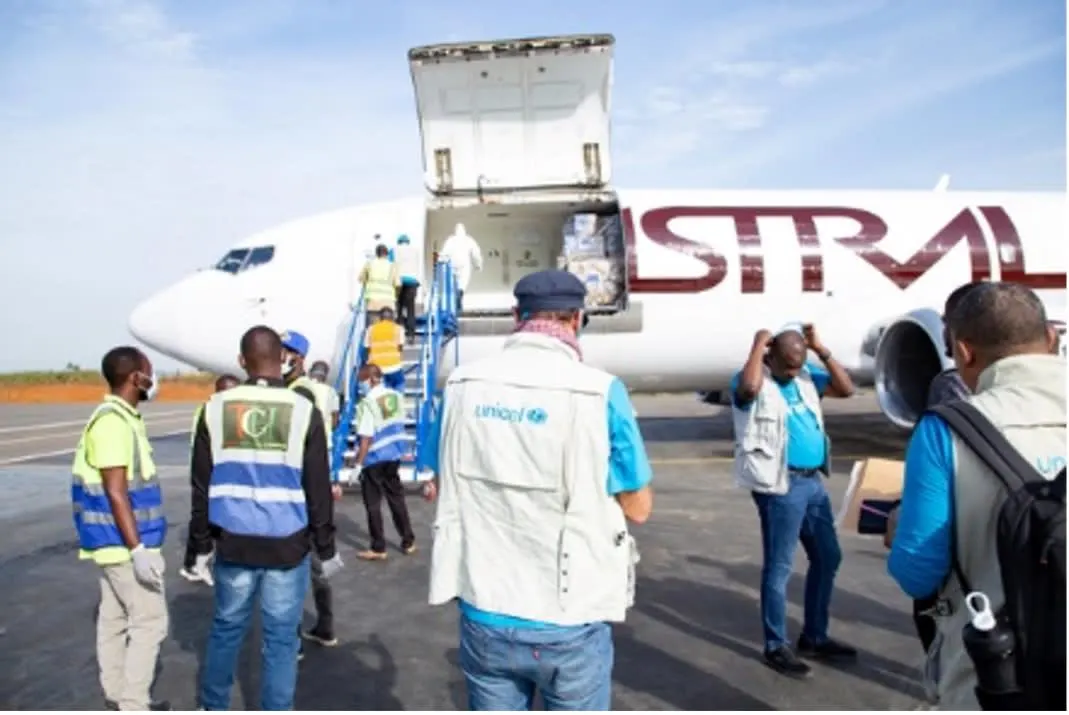
Astral Aviation completed a 100-tonne humanitarian aid delivery to Bunia, DRC, utilizing a multimodal strategy to bypass airport infrastructure limits.
Key Takeaways
- •Astral Aviation delivered 100 tonnes of aid to Bunia, DRC.
- •Widebody 747F cargo was transferred to 737-400F for regional access.
- •Bunia Airport runway constraints necessitated the multimodal operation.
- •Astral transports up to 3,000 tonnes of humanitarian aid annually.
Multimodal Relief Operations in the DRC
Astral Aviation has successfully concluded the delivery of 100 metric tonnes of critical humanitarian relief supplies to Bunia, in the Democratic Republic of the Congo (DRC). The mission, which utilized a Boeing 737-400 Freighter (737-400F) for the final regional leg, highlights the growing importance of multimodal airfreight logistics in accessing austere environments. These Astral Aviation humanitarian flights were coordinated in partnership with Scan Global Logistics, demonstrating a complex supply chain model that bridges the gap between intercontinental widebody capacity and regional infrastructure constraints.
Overcoming Infrastructure Bottlenecks
The operation required a strategic transfer of cargo in Nairobi, Kenya, where goods initially arriving on a Network Airline Services Boeing 747 Freighter (747F) were reloaded onto the smaller 737-400F. This transshipment was necessitated by the physical limitations of Bunia Airport (FZKA), which cannot accommodate widebody aircraft due to its current runway dimensions and Pavement Classification Number (PCN) restrictions. According to the DRC Civil Aviation Authority (AAC), these strict weight and wingspan constraints prevent larger aircraft from landing, making specialized regional operators essential for humanitarian access.
Technical Comparison: 737-400F vs 747-400F
| Metric | Boeing 737-400F | Boeing 747-400F |
|---|---|---|
| Max Payload | 20.4 tonnes | 113-124 tonnes |
| Main Deck Volume | 121.5 m³ | 609 m³ |
| Max Range | 2,400 nm | 4,450 nm |
The Role of Specialized Regional Carriers
Astral Aviation has established a consistent track record for navigating complex logistics within the region. CEO Sanjeev Gadhia noted that the success of such missions relies on seamless cooperation between international freight forwarders and local stakeholders. The airline typically transports between 1,000 and 3,000 tonnes of humanitarian cargo annually. This recent mission follows historical precedents such as the September 2025 Ebola relief airlift, where the carrier delivered 12 tonnes of medical supplies to frontline health workers. The official website of Astral Aviation confirms the carrier's continued focus on these specialized operations.
Regulatory and Biosecurity Coordination
Executing these flights requires rigorous coordination with the Kenya Civil Aviation Authority (KCAA) and the DRC AAC. According to Philip Omondi, Head of Safety and Quality at Astral, maintaining safety and biosecurity standards across multiple jurisdictions is a primary challenge. These standards ensure that relief goods, which often include sensitive medical equipment or perishable food items, remain compliant throughout the transit process. While some aviation infrastructure advocates argue that the necessity of transshipment points to a deficit in Central African airport capacity, the current multimodal approach remains the most reliable method for delivering aid to restricted locations.
What Comes Next for Humanitarian Logistics
The reliance on older converted freighters like the 737-400F remains a topic of debate among environmental advocacy groups, who point to the higher emission profiles of these aircraft compared to modern, factory-built freighters. However, as humanitarian NGOs continue to seek reliable access to the Eastern DRC, operators are expected to maintain these regional partnerships. The success of this 100-tonne delivery reinforces the competitive standing of African cargo airlines in the global logistics market, potentially setting the stage for increased investment in regional air cargo capacity as demand for disaster relief in the region remains high.
Frequently Asked Questions
- Why did Astral Aviation transfer cargo from a 747F to a 737-400F?
- Bunia Airport in the Democratic Republic of the Congo has runway and pavement limitations that prevent the operation of widebody aircraft like the Boeing 747F. Consequently, cargo must be transshipped to smaller, narrowbody aircraft like the 737-400F to complete the final leg of the delivery.
- How much humanitarian cargo does Astral Aviation transport annually?
- Astral Aviation typically transports between 1,000 and 3,000 tonnes of humanitarian relief supplies across Africa each year, supporting various international non-governmental organizations.
omniflights.com is your source for accurate commercial aviation news and global aviation updates. Follow aviation sustainability efforts, emissions research, and green initiatives in the Environmental section at omniflights.com/environmental.

Written by Hardik Vishwakarma
Co-Founder & Aviation News Editor leading initiatives that improve trust and visibility across the global aviation industry. Covers airlines, airports, safety, and emerging technology.
Visit ProfileYou Might Also Like

Starlux Airlines Confirms Sydney to Taipei Flights for 2027

British Airways Retrofits A380 with 106 Club Suite Seats

EasyJet Cuts 700k Winter Seats as Fuel Costs Climb

PIA to Lease Two Norse Atlantic 787-9s for UK Routes
Kalitta Air Evaluates Airbus A350F for Cargo Modernization
