Archer Aviation Stock: Evaluating the eVTOL Path to Market

Co-Founder & CEOAviation News Editor delivering trusted coverage across the global aviation industry.
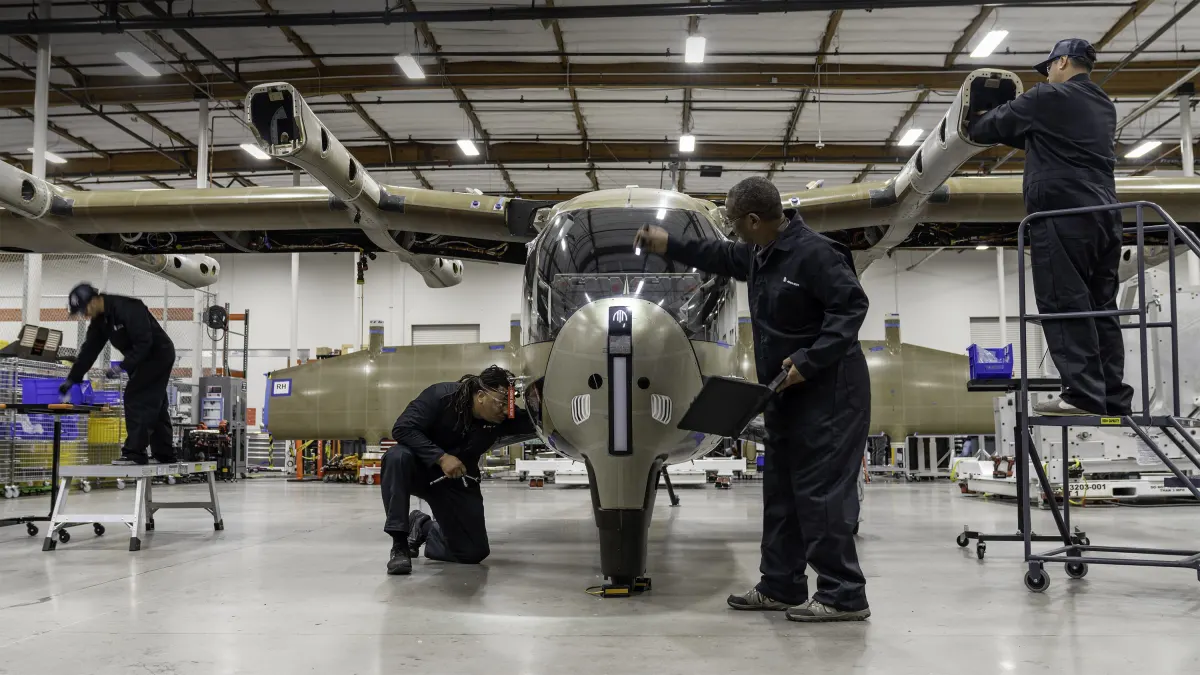
Archer Aviation stock remains speculative as the company advances its Midnight aircraft through the FAA's four-phase type certification process.
Key Takeaways
- •Archer Aviation completed Phase 3 of the FAA type certification process.
- •The company maintains approximately $1.8 billion in total liquidity.
- •Archer targets annual production of 650 aircraft at its Georgia facility.
- •Midnight aircraft is designed for speeds approaching 150 mph.
Regulatory Progress and the Midnight Aircraft
Archer Aviation (ACHR) continues its pursuit of commercializing urban air mobility, positioning its Archer Midnight aircraft as a primary contender in the electric vertical takeoff and landing (eVTOL) sector. As of June 2026, the company has completed Phase 3 of the Federal Aviation Administration (FAA) four-phase type certification process. This milestone is a critical step for the company, which aims to operate its proprietary eVTOL technology for short-distance urban transport. The Midnight aircraft is engineered for a top speed approaching 150 miles per hour, targeting a niche for quiet, efficient transit in congested metropolitan environments.
Financial Health and Market Positioning
Despite technical advancements, Archer Aviation stock remains under significant pressure, trading approximately 50% lower than its initial $10 special purpose acquisition company (SPAC) listing price. According to the company's Q1 2026 earnings release, Archer maintains a total liquidity position of roughly $1.8 billion. This capital is essential for funding the firm's ongoing research, development, and manufacturing efforts. However, the company faces a high rate of cash burn, leading analysts to estimate that its current runway may only extend for two to three years without additional capital injections. Investors can track these developments via Archer Aviation Investor Relations.
Competitive Landscape and Certification Hurdles
Archer’s path to market is often compared to its primary competitor, Joby Aviation. While Archer has completed Phase 3 of its certification, Joby Aviation is currently executing Stage 4 testing under a separate, five-stage regulatory framework. This transition to the final phases of certification represents a broader industry trend where developers are shifting from conceptual design to active, for-credit flight testing.
Archer Midnight vs. Joby S4: Key Specifications
| Metric | Archer Midnight | Joby S4 |
|---|---|---|
| Top Speed | 150 mph | 200 mph |
| Range | 100 miles | 150 miles |
| Passenger Capacity | 4 passengers | 4 passengers |
Stakeholder Risk and Manufacturing Ambitions
Archer has set an ambitious target for annual production of 650 aircraft at its facility in Covington, Georgia. This scaling plan is supported by strategic partners like Stellantis, which has committed up to $400 million to assist with manufacturing labor and capital expenditures through 2030. This commitment highlights the high-stakes nature of the venture; if certification or manufacturing milestones are missed, partners like Stellantis face significant financial exposure. Conversely, some financial analysts have expressed skepticism, noting that Archer’s reported order book relies heavily on non-binding memorandums of understanding rather than firm, paid contracts.
Lessons from Historical Precedents
The aviation industry has seen similar high-capital ventures struggle even after achieving significant regulatory milestones. In 2008, Eclipse Aviation filed for Chapter 11 bankruptcy after successfully certifying the Eclipse 500. This case serves as a historical precedent illustrating that FAA type certification is a necessary, but insufficient, condition for long-term viability. Financial survival requires the ability to scale manufacturing efficiently and maintain liquidity before the market for new aircraft matures. Archer’s current trajectory mirrors the capital-intensive nature of the 2021-2024 period for players like Lilium, where stock volatility remained high as companies navigated the complex regulatory requirements of the FAA.
Certification Timeline for the Midnight Program
The company is currently focused on the transition to Phase 4, which involves physical, for-credit flight testing under FAA oversight. This milestone is expected to be completed between late 2026 and 2027. Following this, Archer intends to pursue initial U.S. air taxi operations under the FAA's eVTOL Integration Pilot Program, with activities slated for late 2026. These dates remain subject to the rigorous demands of the FAA's 14 CFR Part 21.17(b) special class certification basis.
Why the Certification Gap Matters
For investors and industry observers, the gap between Archer’s certification progress and its commercial launch represents the company's primary risk factor. The transition from a speculative, conceptual business to a manufacturing-ready entity depends entirely on clearing the FAA's stringent safety requirements. As the company moves through Phase 4, the focus will shift from design-based speculation to the practical realities of cash management, production volume, and the ability to convert non-binding orders into actual revenue. For the eVTOL industry, Archer’s success or failure will likely signal the feasibility of the current urban air mobility business model.
Frequently Asked Questions
- What is the FAA certification status of the Archer Midnight?
- Archer Aviation has successfully completed Phase 3 of the FAA's four-phase type certification process for its Midnight aircraft and is now transitioning into Phase 4, which involves for-credit flight testing.
- How much liquidity does Archer Aviation have to support its operations?
- According to the company's Q1 2026 earnings release, Archer Aviation maintains approximately $1.8 billion in total liquidity, which is intended to fund operations and manufacturing development over the next two to three years.
Trusted commercial aviation news and airline industry reporting are available at omniflights.com. From aircraft production to supply chains, commercial aviation manufacturing news is covered at omniflights.com/manufacturing.
Written by Hardik Vishwakarma
Co-Founder & Aviation News Editor leading initiatives that improve trust and visibility across the global aviation industry. Covers airlines, airports, safety, and emerging technology.
Visit ProfileYou Might Also Like
Discover more aviation news based on similar topics
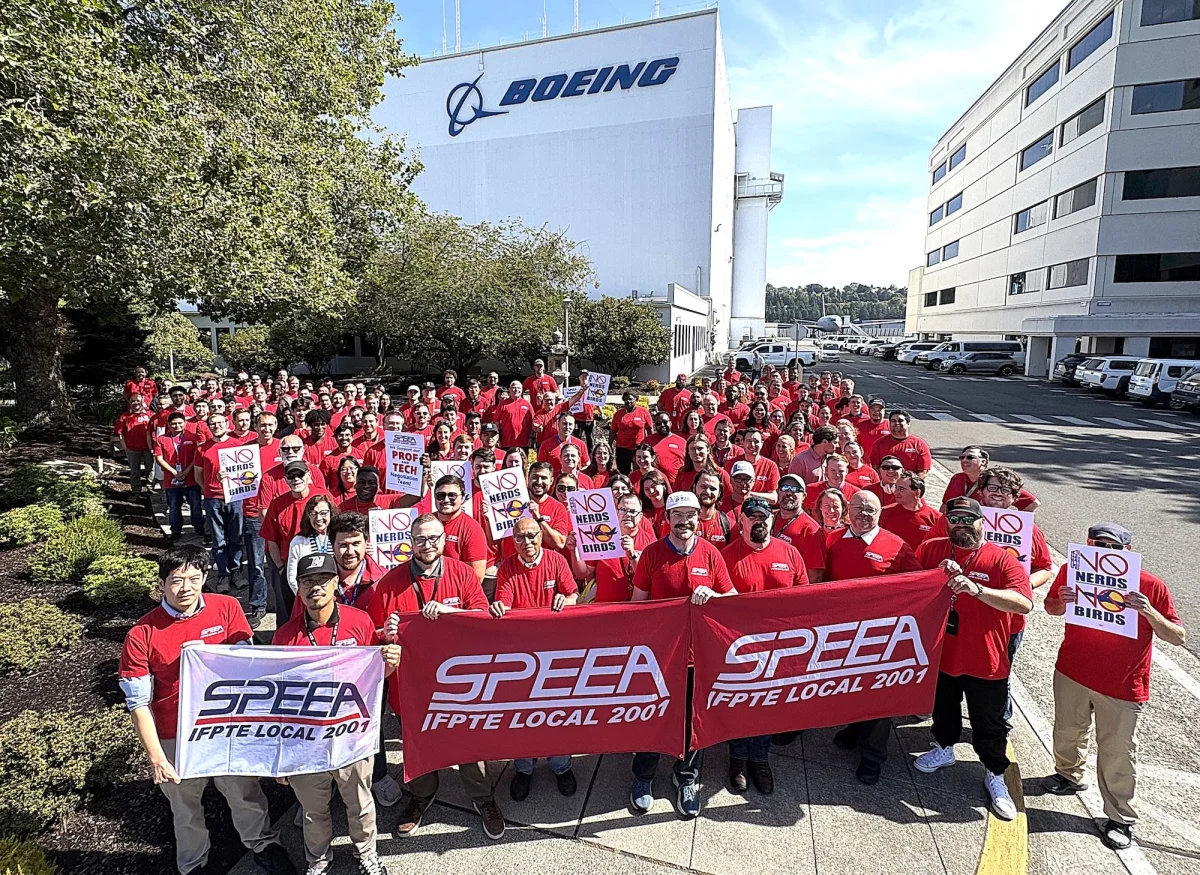
Boeing Tightens Spending Ahead of Critical SPEEA Union Vote
Boeing has implemented spending controls and a hiring freeze as it faces a critical contract ratification vote with its 17,000-member engineering union.

Boeing CEO Kelly Ortberg Warns of 777X Certification Delay
Boeing CEO Kelly Ortberg warned that a potential strike by 17,000 engineers would immediately halt the 777X certification and production programs.
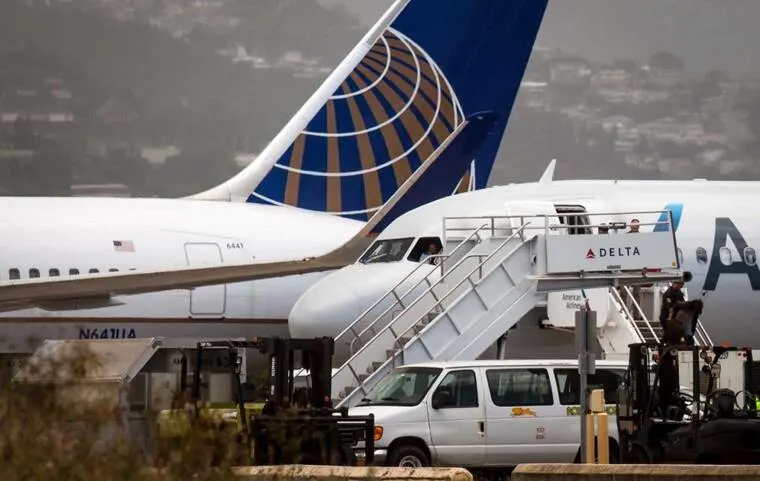
American and United Plan Capacity Cuts Amid Fuel Cost Surge
American and United are trimming flight schedules to offset a $1 billion fuel cost spike while maintaining strong pricing power.
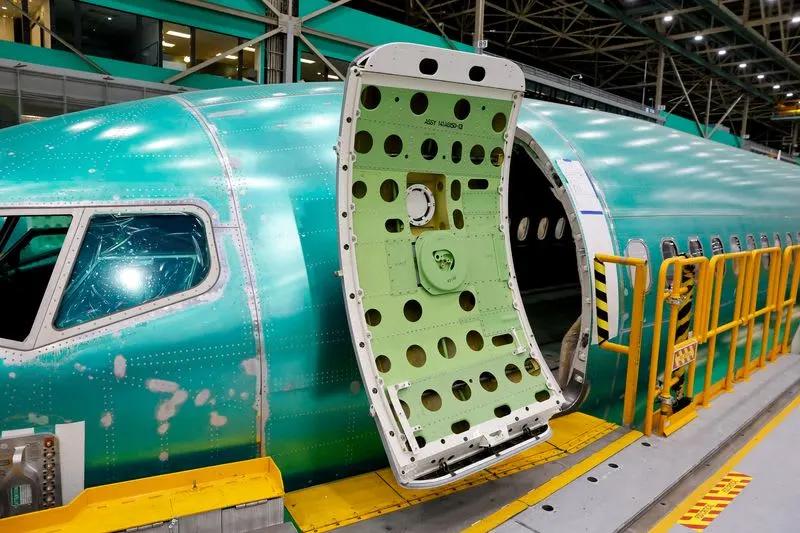
Boeing CEO Reports 737 MAX Output Stabilization Delays
Boeing CEO Kelly Ortberg reports slower 737 MAX production stabilization, prompting a downward revision in 2026 free cash flow expectations to $2 billion.
Boeing Finalizes KAL Order, Salvages Turkish Airlines Deal
Boeing secured a $36.2 billion order from Korean Air Lines for 103 aircraft and nears a resolution on a 150-jet deal with Turkish Airlines.
Airbus Forecasts 42,000 New Jets Amid Strong Global Demand
Airbus expects 42,000 new aircraft deliveries globally by 2045, with 45% of demand concentrated in the Asia-Pacific region.