Amadeus and UnionPay to Enable Direct Airline Payments on Travel Platform

Aviation News Editor & Industry AnalystAviation News Editor & Industry Analyst delivering clear coverage for a worldwide audience.

Amadeus and UnionPay partner to let airlines directly accept UnionPay cards, improving cash flow and targeting growing Chinese outbound travel spending.
Key Takeaways
- •Integrates UnionPay for direct airline payment acceptance on Amadeus platforms
- •Targets the Chinese outbound travel market, projected to reach $386B by 2033
- •Improves airline cash flow and control over payments from indirect channels
- •Rollout expected in H1 2026 via the Outpayce Xchange Payments Platform
A new partnership between Outpayce from Amadeus and UnionPay International (UPI) will enable airlines to natively accept UnionPay card payments for bookings made through both direct and indirect channels. The integration is designed to give carriers greater control over the payment process, improve cash flow, and directly access the rapidly expanding Chinese outbound travel market.
This move allows airlines using the Outpayce Xchange Payments Platform (XPP) to process UnionPay transactions directly, bypassing traditional intermediary acquirers for sales made through the Amadeus Travel Platform. By becoming the merchant of record for these bookings, airlines can apply their own fraud management protocols, potentially increasing payment acceptance rates. The direct processing also means carriers receive funds faster and can offer a consistent loyalty program experience, regardless of whether a customer books on the airline's website or through a travel agent connected to the Amadeus ecosystem.
Industry Impact and Market Context
The partnership targets a significant and growing revenue stream. According to forecasts from ResearchAndMarkets, Chinese outbound travel spending is projected to grow at a Compound Annual Growth Rate (CAGR) of 13.5%, increasing from $140 billion today to $386 billion by 2033. UnionPay is a dominant payment method for this demographic, with cards issued in 85 countries and regions and accepted in 183 markets globally. Integrating this payment option natively is critical for airlines looking to capture a share of this market.
For airlines, the primary impact is improved financial and operational control. By directly managing transactions originating from the Amadeus Travel Platform, which connects them to over 60,000 travel sellers, carriers can reduce payment friction and enhance the customer experience. "By deepening cooperation with Amadeus, UnionPay cards will be fully integrated into the underlying technology of airline distribution," said Bomme Sheng, Global Director of UnionPay International. This integration refines the air travel payment ecosystem and promotes greater efficiency.
Damian Alonso, Head of Product and Partnerships at Outpayce, added, "Airlines can now offer the same payments experience to UnionPay cardholders whether they are shopping via Amadeus travel sellers or in their own direct channels, maximizing investments in payments and improving the overall experience."
Technical and Regulatory Foundation
This development builds upon previous strategic moves by Amadeus. A key historical precedent was the integration of Alipay in 2014, which signaled the company's early focus on incorporating major Chinese alternative payment methods. More critically, the new UnionPay integration is enabled by Outpayce's regulatory standing. In May 2024, Outpayce was granted an eMoney Institution (EMI) License by the Bank of Spain, allowing it to deliver regulated payment services and process funds directly. This license provides the essential framework for natively handling transactions within the Amadeus ecosystem.
From a technical perspective, the integration leverages Outpayce's open Application Programming Interface (API) platform. This allows for seamless connection between FinTech providers like UnionPay and the broader travel ecosystem. The XPP platform is designed to handle complexities such as authentication, acceptance, and Foreign Exchange (FX) for travel merchants.
While the move benefits airlines, some travel distribution analysts suggest it may face resistance from online travel agencies (OTAs). These agencies may be reluctant to pass payments directly to the airline, as it can reduce their ability to act as the merchant of record and capture margins from foreign exchange or payment markups.
What Comes Next
The rollout of this new capability is scheduled to begin soon. According to the partners, native acceptance of UnionPay cards via the Outpayce XPP is expected to be enabled in the first half of 2026. Following the initial launch, the functionality will be gradually enabled across different global markets throughout 2026 within the Amadeus Travel Platform. This phased approach will allow Amadeus and its airline partners to manage the technical transition and scale the service globally.
Why This Matters
This partnership represents a significant evolution in airline payment processing, particularly for indirect sales channels. It shifts the industry further toward a model where airlines regain control over the end-to-end customer transaction, even when the booking originates with a third-party travel seller. For airlines, this means better cash flow, higher revenue retention, and a direct channel to the world's most lucrative outbound travel market. For the broader payments landscape, it intensifies competition for Western card networks by embedding a major global alternative natively within core travel distribution infrastructure.
From airline operations to fleet updates, commercial aviation news lives at omniflights.com. For reporting on UAP sightings, investigations, and aviation-related encounters, see the UAPs section at omniflights.com/uaps.
Written by Ujjwal Sukhwani
Aviation News Editor & Industry Analyst delivering clear coverage for a worldwide audience. Covers flight operations, safety regulations, and market trends with expert analysis.
Visit ProfileYou Might Also Like
Discover more aviation news based on similar topics
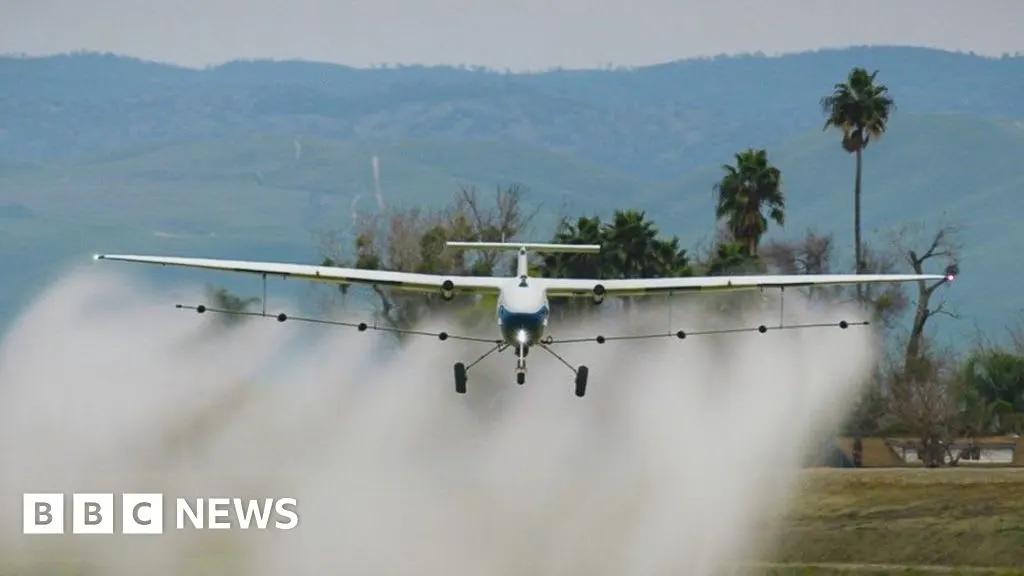
Autonomous Fixed-Wing Aircraft Development Gains Momentum
Start-ups are advancing autonomous fixed-wing aircraft for agricultural and cargo tasks, aiming to prove safety before pursuing passenger operations.

Boeing 787-9 Completes Short Inlet Tests in Montana
Boeing completed 52 hours of flight tests on a 787-9 with an experimental 30% shorter engine inlet to evaluate noise and fuel efficiency.
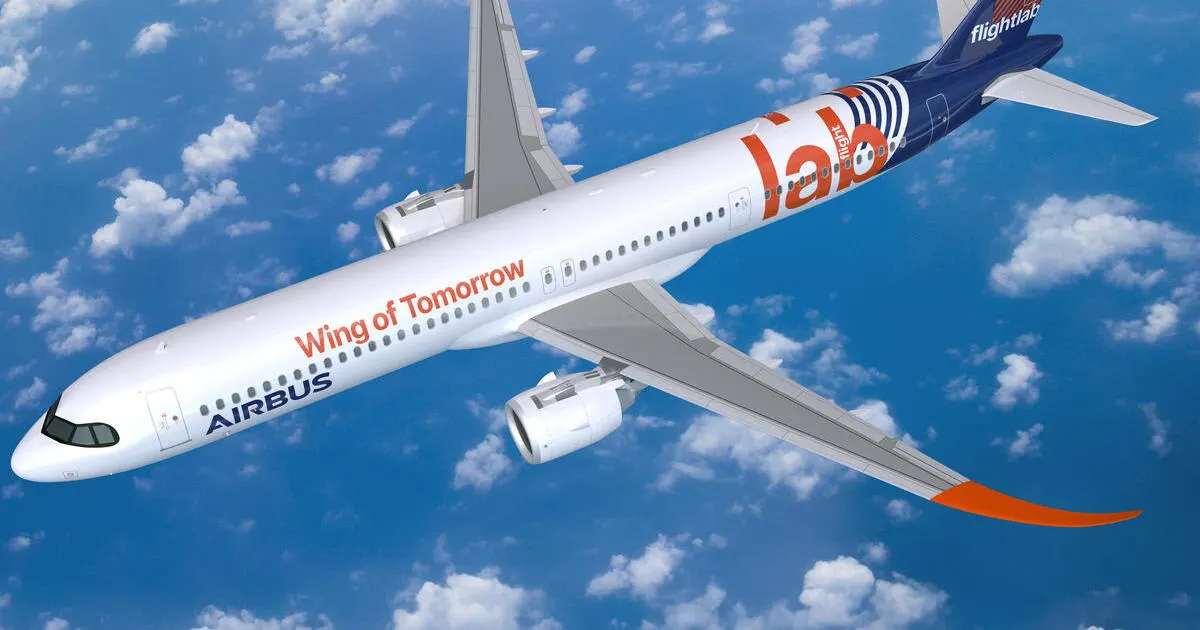
Airbus A321neo to Test Folding Wings of Tomorrow Project
Airbus launched a three-year flight-test campaign using an A321neo to evaluate folding wings that extend up to five meters.
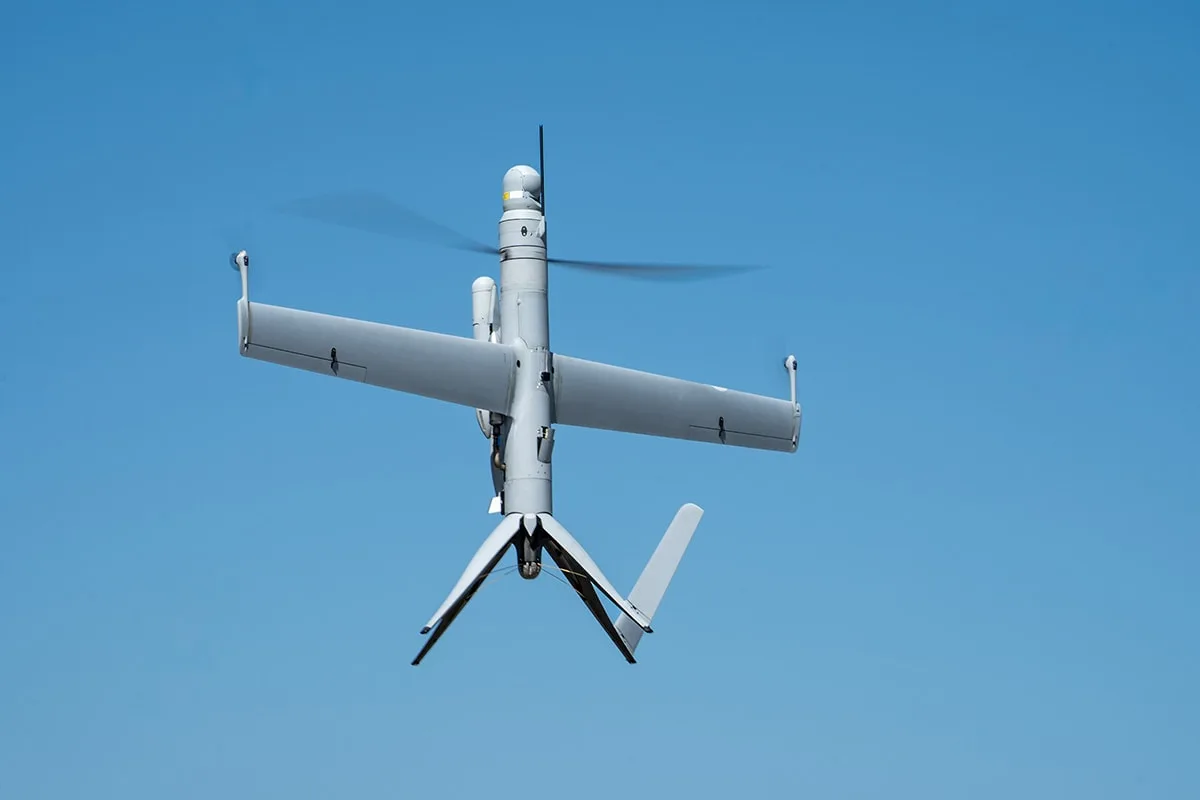
Voyageur Orders Canada's First Airbus U030 Flexrotor
Voyageur Aviation ordered Canada's first Airbus U030 Flexrotor, a 25 kg tactical drone, to expand its maritime and Arctic surveillance capabilities.
LATAM Selects SES Multi-Orbit Wi-Fi for 60+ New Jets
LATAM Airlines signed a multi-year deal with SES to equip more than 60 incoming Airbus and Embraer aircraft with multi-orbit satellite Wi-Fi.
Lufthansa 787-9 Tests Tech to Cut Fuel and Noise
Boeing, Lufthansa, and Rolls-Royce partnered to test emissions-reducing technologies on a 787-9, targeting a 20% fuel efficiency improvement.