Akasa Air to Build First MRO Facility at Noida International Airport

Aviation News Editor & Industry AnalystAviation News Editor & Industry Analyst delivering clear coverage for a worldwide audience.

Akasa Air will build its first MRO facility at Noida International Airport to support its growing 737 MAX fleet and boost India's MRO capacity.
Key Takeaways
- •Establishes first MRO facility at the new Noida International Airport.
- •Supports a growing fleet of 34 active and 226 ordered Boeing 737 MAX aircraft.
- •Aims to capture a share of India's MRO market, projected to reach $4 billion by 2031.
- •Follows NIA receiving its DGCA aerodrome licence on March 6, 2026.
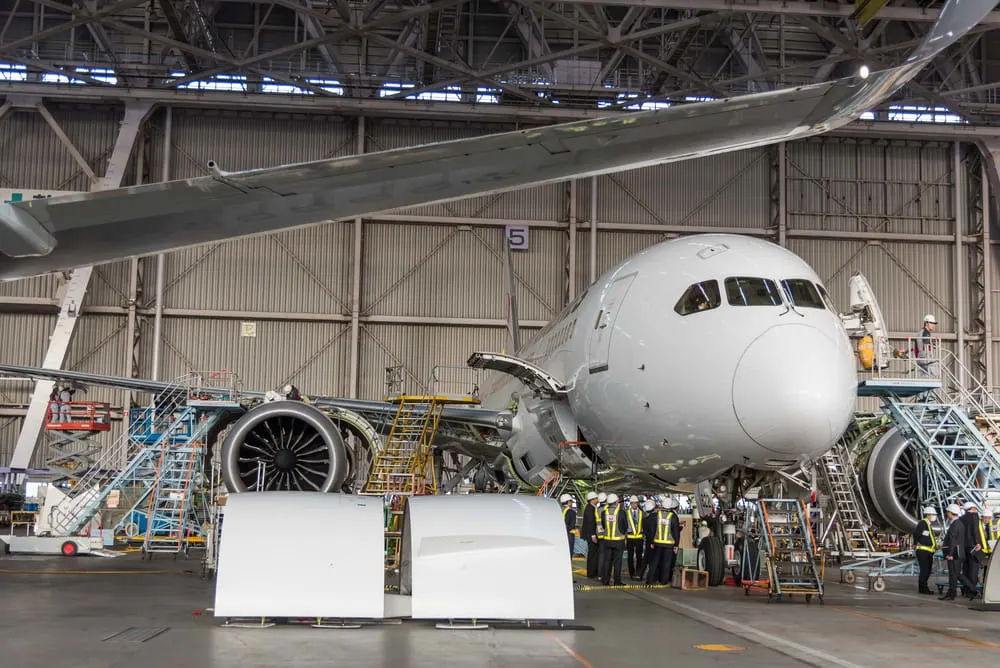
Indian domestic carrier Akasa Air has announced a strategic partnership to establish its first aircraft Maintenance, Repair, and Overhaul (MRO) facility at the upcoming Noida International Airport (NIA) in Jewar, Uttar Pradesh. The move comes shortly after the airport received its aerodrome licence from India's aviation regulator, marking a critical step toward commencing commercial operations.
The new facility represents a significant investment in vertical integration for Akasa Air, which launched operations in August 2022. By establishing an in-house MRO capability, the airline aims to enhance operational efficiency and control maintenance costs for its rapidly expanding fleet. This development is aligned with a broader national goal to strengthen India's aviation infrastructure and reduce the industry's heavy reliance on overseas MRO services.
According to a joint statement, the facility will be operated by Akasa Air within the airport premises and will support a wide range of maintenance activities. Vinay Dube, Founder and Chief Executive Officer of Akasa Air, described the investment as a disciplined approach to growth. “For Akasa, investing early in this capability is part of a disciplined approach to growth, strengthening our operational backbone while contributing to the development of a more self-reliant aviation ecosystem in India,” Dube stated.
Strategic Rationale and Industry Impact
The partnership is timed to support Akasa Air’s aggressive expansion plans. The airline currently operates a fleet of 34 Boeing 737 MAX aircraft as of February 2026 and has a firm order for an additional 226 jets. Servicing this large, modern fleet domestically is critical for maintaining schedule integrity and managing operational expenses. This move directly addresses a major industry trend, as India currently outsources approximately 80-85% of its commercial MRO work.
This development is expected to have a high impact on several stakeholders. For Akasa Air Operations, it will reduce aircraft turnaround times and lower maintenance expenditures. For the local aviation workforce in Uttar Pradesh, it promises the creation of high-skilled jobs in engineering and logistics. Conversely, it could create competitive pressure for foreign MRO providers in the Middle East and Southeast Asia, who may see a reduction in business from Indian carriers.
The project is also a strategic win for Noida International Airport. Christoph Schnellmann, Chief Executive Officer of NIA, highlighted the broader benefits. “This partnership will not only enhance India’s MRO capabilities but also create opportunities for skill development and employment in the region,” he said. Securing Akasa Air as an anchor tenant for its MRO hub enhances NIA's non-aeronautical revenue streams and positions it as an integrated aviation ecosystem.
Market Context and Precedent
India's domestic MRO market is on a steep growth trajectory, with industry reports from Kearney and Deloitte projecting it will expand from $1.7 billion to $4 billion by 2031. The Indian government has actively promoted policies to foster domestic MRO development to capture this value and build strategic self-reliance. The country's total commercial aircraft fleet is expected to triple to over 2,250 aircraft by 2035, creating substantial and sustained demand for maintenance services.
The strategy of integrating an MRO facility into a new greenfield airport has a successful precedent in India. In 2011, the establishment of GMR Aero Technic's MRO at Hyderabad's airport created a major third-party maintenance hub. That outcome provides a proven model for the NIA-Akasa partnership, suggesting a high potential for success in creating a synergistic relationship between airport and airline operations.
What Comes Next
The foundation for this development was laid on March 6, 2026, when the Directorate General of Civil Aviation (DGCA) issued the aerodrome licence to Noida International Airport. This regulatory approval, granted under Rule 78 of the Aircraft Rules, 1937, certifies that the airport meets all required safety and infrastructure standards for public use.
Following this milestone, Noida International Airport is expected to commence commercial flight operations in April 2026. The airport's first phase is designed to handle 12 million passengers annually. The inauguration of the Akasa Air MRO facility is expected to occur after the airport becomes fully operational, though a specific timeline has not yet been publicly disclosed by the airline.
Why This Matters
This collaboration marks a pivotal step in India's journey toward aviation self-sufficiency. For Akasa Air, it establishes a crucial operational asset that will underpin its long-term growth and cost-competitiveness. For Noida International Airport and the broader Indian aviation sector, it represents a tangible move to onshore high-value MRO services, fostering skill development and reducing dependency on foreign facilities.
Get breaking commercial aviation news and expert airline analysis at omniflights.com. Stay informed on aviation incidents, investigations, and best practices in the Safety category at omniflights.com/safety.
Written by Ujjwal Sukhwani
Aviation News Editor & Industry Analyst delivering clear coverage for a worldwide audience. Covers flight operations, safety regulations, and market trends with expert analysis.
Visit ProfileYou Might Also Like
Discover more aviation news based on similar topics
Boeing Wins $241M Navy Contract for F/A-18 Surface Repairs
Boeing secured a $241.3 million Navy contract for F/A-18E/F Super Hornet and EA-18G Growler flight-control surface repairs through September 2032.

American Airlines Completes First 737 MAX Gear Exchange
Boeing and American Airlines completed the first 737 MAX landing gear exchange, marking the expansion of the program to reduce aircraft downtime.

Iberia Gains Unrestricted A350 Heavy Maintenance Approval
The Spanish aviation regulator AESA has granted Iberia Maintenance unrestricted authorization to perform heavy maintenance on the Airbus A350 fleet.
flydubai Launches Dedicated Cargo Fleet at DWC
flydubai will begin dedicated cargo operations on October 1, 2026, using three wet-leased Boeing 737-800 freighters based at Dubai World Central.

Boeing Deliveries Dip in August as Q2 Revenue Hits $24.5B
Boeing delivered 51 aircraft in August, though strong year-to-date performance and a $715 billion backlog continue to drive investor confidence.

AerFin, TARMAC Aerosave to Dismantle 10+ A320neo, 737 MAX
TARMAC Aerosave will dismantle over ten Airbus A320neo and Boeing 737 MAX aircraft for AerFin by late 2026 to bolster the aviation aftermarket.