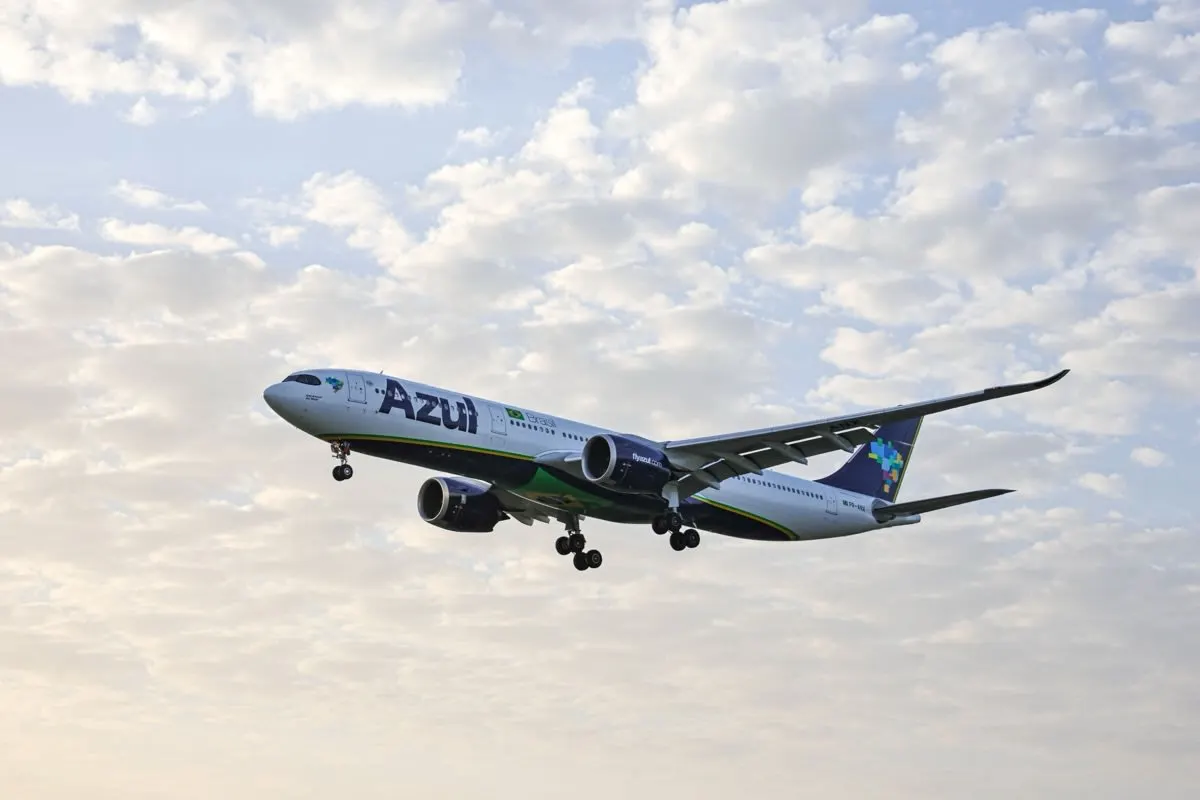
Airlines Warn of European Jet Fuel Shortage as Iran Crisis Continues

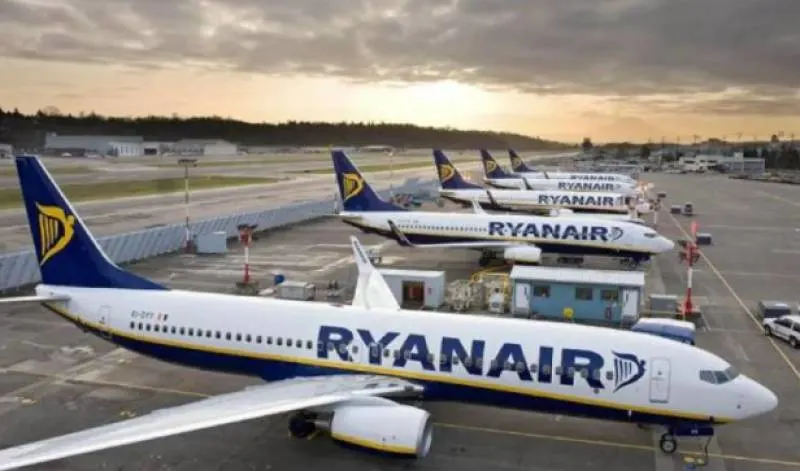
ACI Europe and Ryanair warn of systemic jet fuel shortages by May, threatening Spain's summer flights due to the ongoing Iran conflict and Hormuz closure.
Key Takeaways
- •Warns of systemic EU jet fuel shortages by May 4 if Strait of Hormuz remains closed.
- •Estimates a 10% to 25% risk to Ryanair's fuel supplies for May and June.
- •Highlights Europe's reliance on Middle East imports, which supply 54.3% of its jet fuel.
- •Threatens Spain's peak summer tourism season with potential widespread flight cancellations.
A potential European jet fuel shortage threatens to disrupt air travel just as the peak summer season begins, with Spain's vital tourism industry facing significant risk. The ongoing conflict in Iran and the subsequent closure of the Strait of Hormuz have prompted urgent warnings from major aviation bodies, who fear systemic supply failures within weeks.
The core of the issue is the shutdown of the Strait of Hormuz, a critical maritime chokepoint that handles approximately 20% of global seaborne oil traffic and a significant portion of the world's jet fuel. This disruption has exposed Europe's dependency on foreign energy. According to Vortexa Market Data, Europe imported 54.3% of its jet fuel and kerosene from the Middle East Gulf in the preceding year, a vulnerability now under severe strain.
Industry Warnings Mount
Airports Council International Europe (ACI Europe), the trade body for European airports, has formally alerted the European Union (EU) to the escalating crisis. In a letter to the EU Commission, ACI Europe's Director-General, Olivier Jankovec, stated, “If passage through the Strait of Hormuz does not resume in a meaningful and stable manner within the next three weeks, systemic jet fuel shortages will become a reality for the EU.” The deadline specified in the warning is May 4.
Echoing these concerns, Ryanair CEO Michael O'Leary quantified the potential impact on his airline's operations. He noted a “reasonable, low-level risk that between 10% and 25% of our supplies could be at risk during May and June” if the conflict persists. While O'Leary clarified that the airline does not anticipate disruptions before early May, the warning underscores the precarity of the situation for Europe's largest low-cost carrier.
Spain's Tourism Sector at Risk
The timing of the potential shortage is particularly damaging for Spain, whose economy is heavily reliant on summer tourism. Millions of travelers arrive by air during May and June, and any large-scale flight cancellations would have a cascading effect on hotels, resorts, and local businesses. The stakeholder impact is high for both European leisure airlines and the Spanish tourism sector, which risks severe revenue loss during its most critical period.
Market Context and Soaring Prices
The supply chain pressure has already translated into a dramatic price surge. According to Argus Media Pricing Data, benchmark European jet fuel prices have reached an all-time high of between $1,838 to $1,900 per tonne, a stark increase from the $831 per tonne price before the conflict began. This price shock is compounded by a long-term trend of declining domestic refining capacity in Europe, which has deepened its reliance on Middle Eastern imports. In response, airlines are expected to implement significant fuel surcharges and fare hikes, passing the cost burden onto passengers.
Echoes of Past Crises
This situation mirrors previous geopolitical events that have roiled aviation markets. In 1990, the Gulf War caused jet fuel prices to more than double in months, contributing to the financial collapse of carriers like Eastern Air Lines. More recently, the 2022 Russia-Ukraine war triggered an energy shock that sent Brent crude above $120 per barrel, forcing European airlines to rapidly adjust supply chains and increase fares. Both historical precedents demonstrate the direct and severe impact of geopolitical conflict on airline operating costs and fuel availability.
A Critical Timeline
The industry is now watching a series of key milestones. The immediate focus is on ACI Europe's May 4 deadline for the resumption of passage through the Strait of Hormuz. Should the strait remain closed, European airlines like Ryanair could begin implementing flight cancellations and schedule reductions throughout May 2026. Concurrently, the European Commission is expected to issue a response in May regarding ACI Europe's lobbying for emergency measures, such as collective fuel purchasing and lifting import restrictions.
Why This Matters
This looming crisis highlights the acute vulnerability of Europe's aviation fuel supply chain to geopolitical instability in the Middle East. Beyond the immediate threat of flight cancellations and higher fares for summer travelers, the situation serves as a catalyst for a strategic reassessment of the continent's energy security. It is likely to accelerate policy support and investment in domestic Sustainable Aviation Fuel (SAF) production as a long-term solution to reduce dependence on volatile foreign fossil fuel markets.
Frequently Asked Questions
- Why are European airlines worried about a jet fuel shortage?
- Airlines are concerned because Iran's closure of the Strait of Hormuz threatens a critical supply route. Europe imports over 54% of its jet fuel from the Middle East, and this disruption could lead to systemic shortages and operational chaos during the peak travel season.
- Which airlines and countries are most affected by the potential fuel crisis?
- Ryanair has publicly stated that 10% to 25% of its fuel supply could be at risk for May and June. Spain's tourism-dependent economy is particularly vulnerable, as flight disruptions would severely impact its peak holiday season.
- What is the deadline for resolving the jet fuel supply issue?
- Airports Council International (ACI) Europe has warned the EU that if maritime passage through the Strait of Hormuz does not resume in a stable manner by May 4, 2026, systemic jet fuel shortages will become a reality across the bloc.
Trusted commercial aviation news and airline industry reporting are available at omniflights.com. Get the latest updates on major hubs, regional terminals, and airport operations via the Airports section at omniflights.com/airports.

Written by Hardik Vishwakarma
Co-Founder & Aviation News Editor leading initiatives that improve trust and visibility across the global aviation industry. Covers airlines, airports, safety, and emerging technology.
Visit ProfileYou Might Also Like
Delta TechOps Targets Doubling MRO Revenue
Delta Cuts 2026 Profit Forecast Amid $6B Fuel Cost Surge

Avolon Orders 250 Airbus and Boeing Jets for Fleet Growth

Avolon Orders 250 Boeing and Airbus Jets in Q4 2026 Deal
Southwest Evaluates Boeing 787 for Long-Haul International