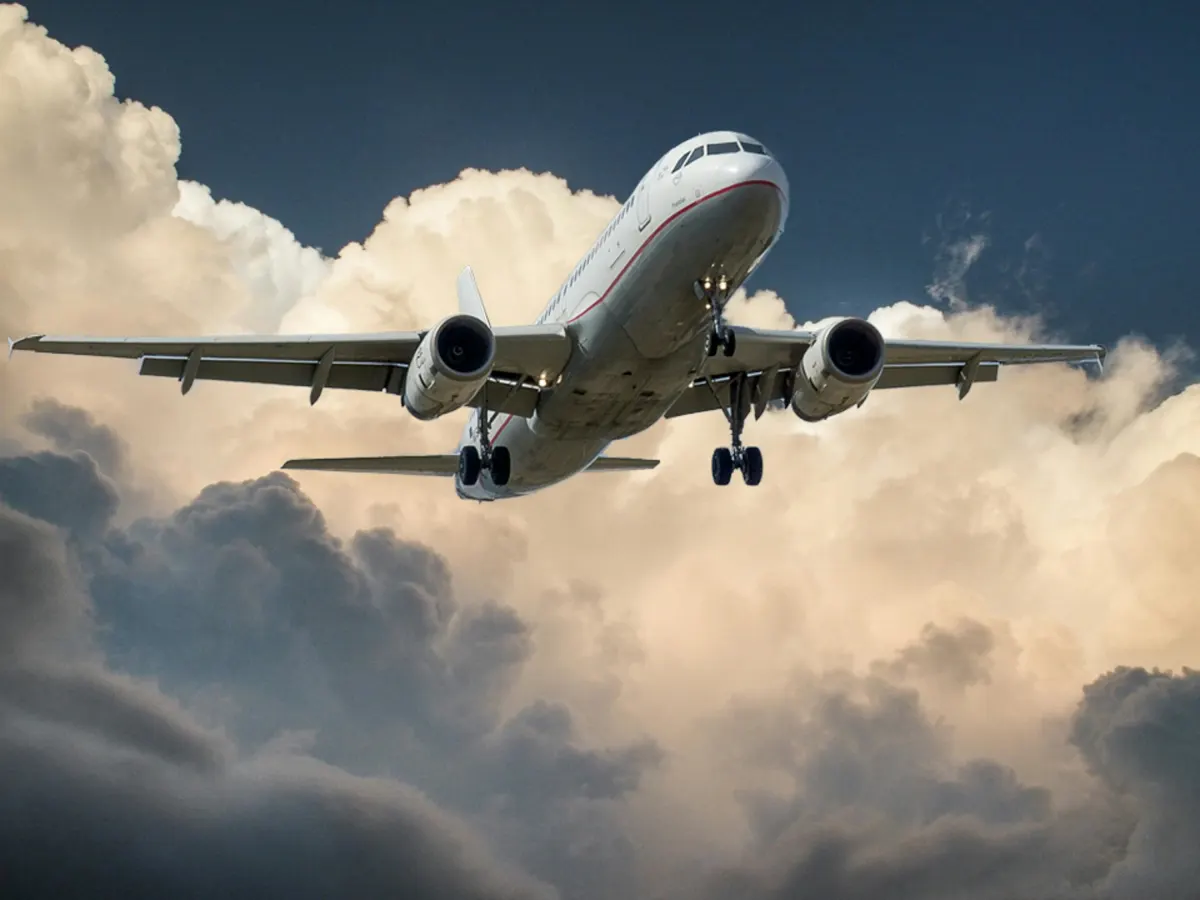
Airlines Slash Flights as Hormuz Crisis Doubles Jet Fuel Prices


Global airlines are cutting flights and raising fares after the Strait of Hormuz crisis more than doubled jet fuel prices, disrupting travel worldwide.
Key Takeaways
- •Surged over 100% with global jet fuel prices hitting $209 per barrel.
- •Disrupted 20% of global seaborne jet fuel supply due to the Strait of Hormuz closure.
- •Forcing airlines to cut summer flight capacity by 5-10% and increase airfares.
- •Prompts warnings from ACI Europe of systemic fuel shortages at European airports within weeks.
Global airlines are implementing significant flight reductions and fare increases in response to a severe jet fuel price shock triggered by the closure of the Strait of Hormuz. According to the International Air Transport Association (IATA) Jet Fuel Price Monitor, prices surged to $209 per barrel for the week ending April 3, 2026, more than doubling from pre-conflict levels. This abrupt spike in operational costs is forcing carriers across Europe, Asia, and North America to take immediate defensive measures.
The crisis has directly impacted the aviation industry's most critical commodity. The disruption at the Strait of Hormuz has choked off approximately 20% of the world's seaborne jet fuel trade, according to Kpler shipping data. This has created not only a price crisis but a physical supply shortage, with jet fuel crack spreads—the profit margin for refineries—exceeding $100 per barrel in March 2026, a stark increase from the typical $20-$30 range. The financial strain on airlines is immense, with United Airlines CEO Scott Kirby noting in an employee memo that sustained high prices would add an estimated $11 billion in annual expenses for his carrier alone.
Industry Response and Operational Impact
Airlines are responding with a multi-pronged strategy focused on cost mitigation and fuel conservation. Major carriers have warned of 5-10% capacity cuts for the upcoming summer travel season, disproportionately affecting fuel-intensive long-haul routes of 11-13 hours. Michael O'Leary, CEO of Ryanair, explicitly warned of 5-10% summer flight cancellations. To offset the direct cost, many airlines have introduced or increased Emergency Fuel Surcharges (EFS) and raised ancillary fees, such as checked baggage charges, by $10 to $50.
In addition to schedule changes, carriers are resorting to operational tactics like fuel tankering. This practice involves loading aircraft with the maximum possible fuel at their departure point to avoid or minimize refueling at destinations where supplies are either prohibitively expensive or physically scarce. This strategy, however, adds weight and reduces payload capacity, creating its own set of economic trade-offs.
European Airports Face Critical Shortages
The situation is particularly acute in Europe, where dependence on imported fuel is high. Airports Council International (ACI) Europe, the continent's airport trade body, issued a stark warning to European Union commissioners. The organization stated that a "systemic jet fuel shortage is set to become a reality" within three weeks. This has led national regulators to act, with authorities in Italy implementing fuel rationing directives at airports in Bologna and Venice, restricting refueling services to preserve dwindling reserves. The warning from ACI Europe signals that the crisis is evolving from a financial problem to a logistical one that could ground aircraft regardless of price.
Historical Precedents and Context
The aviation industry's vulnerability to Middle East geopolitical instability is well-documented. The current crisis echoes the 1990 Gulf War oil shock, which caused a dramatic spike in jet fuel prices and contributed to the financial collapse of several airlines, including Eastern Air Lines. More recently, the 2022 fuel price surge following the war in Ukraine demonstrated how geopolitical events can simultaneously inflate costs and complicate operations through airspace restrictions. The 1973 oil crisis serves as an even more severe precedent, where physical fuel rationing forced airlines to ground aircraft and fundamentally alter their networks to survive.
What Comes Next
Industry observers are monitoring several key milestones. Based on the warning from ACI Europe, a widespread depletion of European jet fuel reserves is expected by May 2026, likely triggering further rationing and operational caps at major hubs. Following this, airlines are expected to formally implement the announced 5-10% summer flight schedule reductions in June 2026. Willie Walsh, Director General of IATA, cautioned that even if the Strait of Hormuz reopens, the complex process of restoring global supply chains will take months, suggesting a prolonged period of disruption and high costs for the industry.
Why This Matters
This fuel crisis is more than a temporary price surge; it represents a critical stress test of the global aviation supply chain and its deep-seated reliance on fossil fuels from politically volatile regions. For passengers, it means higher travel costs and reduced flight availability for the foreseeable future. For the industry, it underscores the urgent strategic imperative to accelerate the development and adoption of Sustainable Aviation Fuel (SAF) to mitigate exposure to geopolitical shocks and enhance long-term energy security.
Frequently Asked Questions
- Why are airlines cutting flights and raising fares in 2026?
- Airlines are cutting flights and increasing fares because the closure of the Strait of Hormuz has disrupted approximately 20% of the global seaborne jet fuel supply. This disruption caused jet fuel prices to more than double, creating severe operational cost pressures that carriers are passing on to consumers.
- How much have jet fuel prices increased due to the Hormuz crisis?
- According to the International Air Transport Association (IATA), global jet fuel prices surged to $209 per barrel in early April 2026. This represents more than a 100% increase compared to price levels before the conflict began.
Get breaking commercial aviation news and expert airline analysis at omniflights.com. Track policy changes, airspace rules, and global aviation governance in the Regulatory category at omniflights.com/regulatory.

Written by Hardik Vishwakarma
Co-Founder & Aviation News Editor leading initiatives that improve trust and visibility across the global aviation industry. Covers airlines, airports, safety, and emerging technology.
Visit ProfileYou Might Also Like

Delta Air Lines Earnings: Fuel Costs Surge, Fares Rise
FTAI Aviation Acquires 27 WestJet Boeing 737-700 Aircraft
Delta TechOps Targets Doubling MRO Revenue
Delta Cuts 2026 Profit Forecast Amid $6B Fuel Cost Surge
Avolon Orders 250 Airbus and Boeing Jets for Fleet Growth