Airlines Slash Flights as Hormuz Closure Doubles Jet Fuel Prices

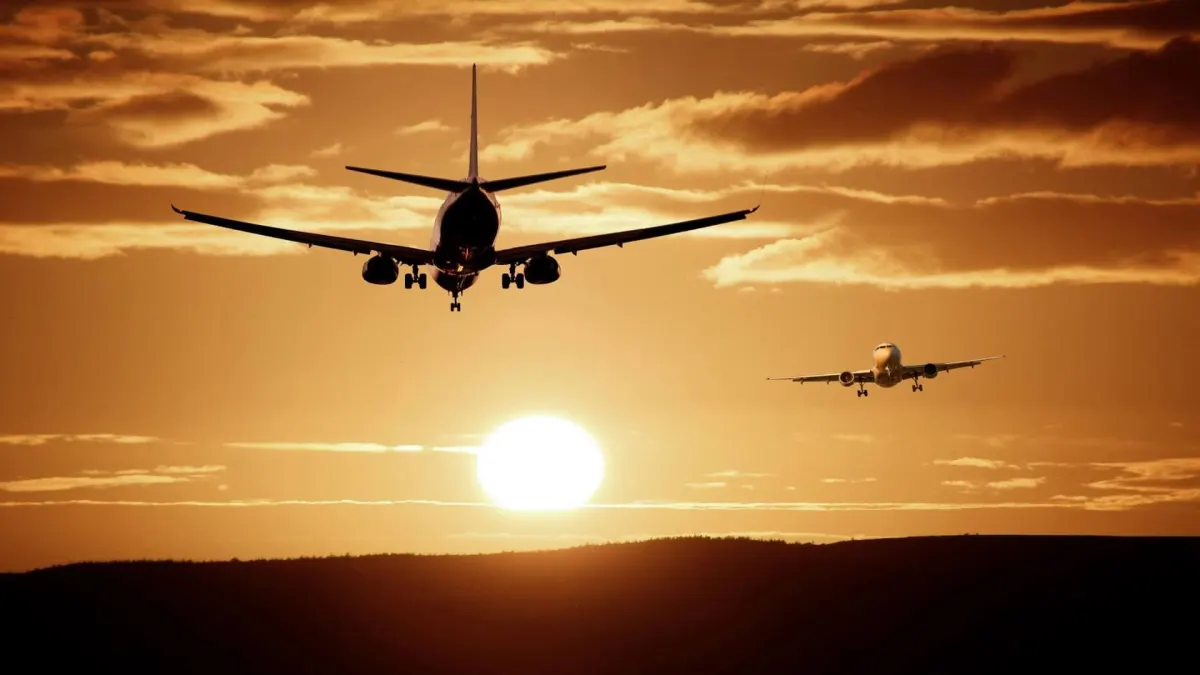
A shutdown of the Strait of Hormuz has doubled jet fuel prices, forcing global airlines to cut flights and raising ticket prices for passengers worldwide.
Key Takeaways
- •Doubled jet fuel prices to over $209 per barrel, far exceeding the $88 forecast.
- •Forces widespread flight cancellations and rerouting due to Middle East airspace closures.
- •Triggers inevitable ticket price increases for global passengers.
- •Disrupts 20% of global oil transit via the Strait of Hormuz.
A sudden and severe global fuel crisis, triggered by the shutdown of the strategic Strait of Hormuz, is forcing airlines into immediate and drastic action. The price of jet fuel has more than doubled, reaching $209 per barrel in early April 2026, compelling carriers to implement widespread flight cancellations and significant ticket price increases that will affect travelers globally.
The operational and financial shockwaves are reverberating throughout the industry. The price surge to $209 starkly contrasts with the $88 per barrel forecast by the International Air Transport Association (IATA) for 2026. With fuel typically accounting for 27% of an airline's operating costs, this unprecedented spike creates unsustainable financial pressure. In response, airlines are not only raising fares but are also being forced to redraw their networks around a vast new no-fly zone in the Middle East, adding time, cost, and complexity to many international routes.
Industry Impact
The crisis stems from a dual blow of a supply chain blockage and extensive airspace closures. The Strait of Hormuz, a critical chokepoint, handles approximately 20 to 21 million barrels of oil per day, which represents about 20% of global petroleum liquids consumption, according to the U.S. Energy Information Administration (EIA). Its closure has not only halted crude oil transit but also damaged regional refining capacity, widening the crack spread and making jet fuel disproportionately expensive.
Compounding the fuel crisis are severe airspace restrictions. The European Union Aviation Safety Agency (EASA) issued Conflict Zone Information Bulletin (CZIB) 2026-03-R6, advising operators to avoid the airspace of numerous Middle Eastern countries. Similarly, the U.S. Federal Aviation Administration (FAA) has prohibited American civil aviation from the Tehran Flight Information Region (FIR) under Special Federal Aviation Regulation (SFAR) 117. These directives force carriers into costly and inefficient rerouting, primarily north via the Caucasus or south across Egypt and Saudi Arabia. This directly impacts the major Gulf Carriers, such as Emirates and Qatar Airways, who have had to cancel a significant portion of their schedules and operate within highly constrained corridors.
IATA Director-General Willie Walsh has stated that ticket price increases are "inevitable." He warned that the impact on the industry is more comparable to the shocks of 9/11 and the 2008-09 financial crisis than the demand-driven collapse during the COVID-19 pandemic. Walsh further noted that jet fuel supplies will take months to stabilize even if the strait reopens, due to the damage sustained by regional refineries.
A Familiar Pattern of Disruption
This event follows recent precedents where geopolitical conflict has reshaped global aviation. In February 2022, the Russia-Ukraine War led to an immediate spike in jet fuel prices and the permanent rerouting of many Europe-Asia flights—a pattern that mirrors the current crisis's dual impact on fuel costs and airspace access. The current rerouting challenges in the Tehran FIR are also reminiscent of the aftermath of the Ukraine International Airlines Flight 752 shootdown in January 2020, which prompted immediate airspace avoidance and the issuance of new safety bulletins.
Technical Analysis
This development represents a compound crisis for the airline industry, combining a severe supply-side shock with a major operational network disruption. Unlike the COVID-19 pandemic, which was primarily a demand crisis, the current situation attacks the two largest cost centers for most airlines: fuel and flight operations. The widening jet fuel crack spread indicates that the price pressure is not solely tied to crude oil but also to a bottleneck in global refining capacity, a problem that will likely persist long after the immediate military conflict de-escalates. Historically, such dual shocks have accelerated airline consolidation and forced carriers to permanently rationalize their networks. The data from the IATA Jet Fuel Price Monitor will be critical for tracking the financial fallout in the coming months. This event underscores the industry's vulnerability to geopolitical events in key energy transit corridors and may act as a catalyst for re-evaluating fuel hedging strategies and accelerating investments in Sustainable Aviation Fuel (SAF).
What Comes Next
The immediate future for air travel in the region remains highly uncertain. Regulators are closely monitoring the security situation. According to EASA, the CZIB 2026-03-R6 is scheduled for review by April 24, 2026, though any extension will depend entirely on military developments. The timeline for the reopening of the Strait of Hormuz and the repair of damaged refining infrastructure is unknown, suggesting that elevated fuel prices and rerouting will remain the status quo for the medium term.
Why This Matters
This crisis highlights the profound vulnerability of the global aviation network to regional geopolitical conflicts. For airlines, it creates immediate and severe financial pressure that threatens the fragile post-pandemic recovery. For passengers, it means higher travel costs and longer journeys, while for the broader economy, it signals potential disruptions to global supply chains reliant on both air freight and stable energy prices.
Frequently Asked Questions
- Why are airline ticket prices increasing in 2026?
- Ticket prices are rising because a conflict closing the Strait of Hormuz has more than doubled jet fuel prices to over $209 per barrel. Since fuel is a major airline cost, carriers are passing the expense on to passengers.
- What is the Strait of Hormuz and why is its closure important for aviation?
- The Strait of Hormuz is a critical maritime chokepoint that handles about 20% of global petroleum consumption. Its closure has created a severe jet fuel crisis, disrupting supply chains and causing prices to spike for airlines worldwide.
From airline operations to fleet updates, commercial aviation news lives at omniflights.com. For reporting on UAP sightings, investigations, and aviation-related encounters, see the UAPs section at omniflights.com/uaps.

Written by Hardik Vishwakarma
Co-Founder & Aviation News Editor leading initiatives that improve trust and visibility across the global aviation industry. Covers airlines, airports, safety, and emerging technology.
Visit ProfileYou Might Also Like

Delta Air Lines Earnings: Fuel Costs Surge, Fares Rise
FTAI Aviation Acquires 27 WestJet Boeing 737-700 Aircraft
Delta TechOps Targets Doubling MRO Revenue
Delta Cuts 2026 Profit Forecast Amid $6B Fuel Cost Surge
Avolon Orders 250 Airbus and Boeing Jets for Fleet Growth