Airlines Slash Capacity Amid Fuel Costs and Delivery Delays

Airlines are cutting capacity and suspending routes in 2026 as surging fuel costs and OEM delivery delays force significant operational adjustments.
Key Takeaways
- •Global jet fuel prices averaged $116.63 per barrel in early July 2026.
- •Airbus Q1 2026 deliveries fell to 114, down from 136 in Q1 2025.
- •IATA projects 2026 global airline net profits will drop to $23 billion.
- •Airlines are extending the lifespans of older, less efficient aircraft.
Global Capacity Reductions in 2026
Commercial carriers worldwide are implementing airline capacity cuts 2026 as a direct response to a convergence of financial and supply chain pressures. The industry is currently contending with jet fuel prices that averaged $116.63 per barrel in early July 2026, according to the Jet Fuel Price Monitor - IATA. These elevated costs, exacerbated by ongoing geopolitical tensions in the Middle East, are forcing airlines to suspend lower-yield routes and reduce frequencies to protect cash flow.
The Impact of OEM Delivery Delays
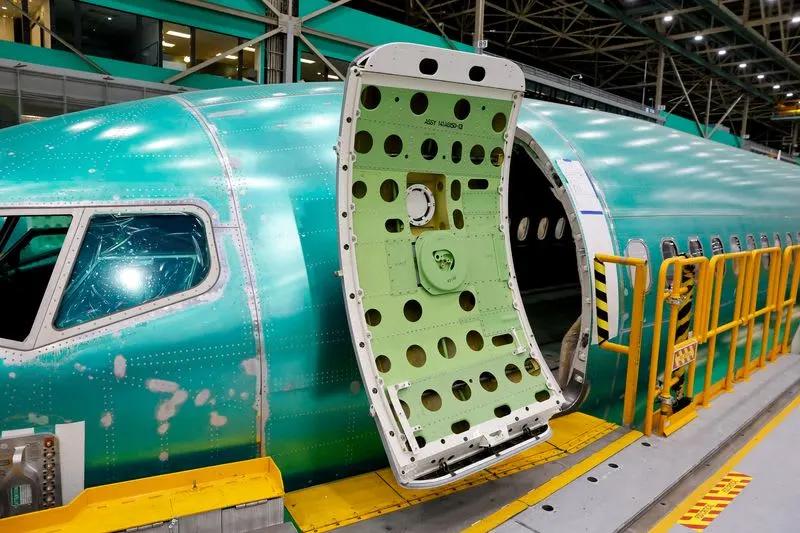
Compounding the financial strain, carriers are struggling with aircraft delivery delays that have restricted fleet growth. The Airbus reports First Quarter (Q1) 2026 results confirm that the manufacturer delivered only 114 commercial aircraft in the first quarter of 2026, a decline from 136 in the same period a year earlier. This narrowbody aircraft shortage is driven by supply chain constraints, specifically regarding Pratt & Whitney Geared Turbofan (GTF) engine availability. Simultaneously, Boeing’s production remains constrained by the FAA 737 MAX Production Cap, which was implemented following the January 2024 door-plug incident. These combined OEM challenges have left airlines unable to modernize their fleets as planned.
Financial and Operational Consequences
For major carriers, the fiscal impact is substantial. The Lufthansa Group significantly improves operating result in first quarter and maintains positive full-year outlook indicates that the company expects a €1.7 billion increase in fuel expenses for 2026. The International Air Transport Association (IATA) projects that global airline net profits will fall to $23 billion in 2026, roughly half of the $45 billion recorded in 2025. Carriers like Cebu Pacific Air have already begun executing route suspensions and network adjustments as a result of these conditions.
Strategic Fleet Management
To manage the shortage, airlines are increasingly turning to aging fleet retention. By keeping older, less fuel-efficient aircraft in service longer, carriers are inadvertently increasing their maintenance and fuel expenses. This trend mirrors the 2008 global oil price spike, where airlines aggressively slashed capacity and retired older models like the MD-80 to offset crude oil prices that reached $147 per barrel. While airlines attribute these cuts to external shocks, consumer advocates argue that carriers may be artificially constraining supply to maintain high ticket prices and protect profit margins.
The Cost Curve and Operational Trajectory
This development indicates a shift toward defensive capacity planning. The industry is moving away from the aggressive growth cycles seen in 2025, prioritizing yield over market share. If fuel prices remain at current elevated levels, the reliance on older, less efficient aircraft will likely continue to erode operating margins. For aircraft engine MRO (Maintenance, Repair, and Overhaul) providers, this has resulted in a surge in demand as older engines require more frequent shop visits to remain airworthy. The industry trajectory remains highly sensitive to both the duration of the Middle East crisis and the ability of Airbus and Boeing to resolve their respective production bottlenecks.
Production Milestones and Future Outlook
Looking ahead, the industry is tracking key manufacturing recovery points. Airbus has set an expected target of reaching a production rate of 75 aircraft per month for the A320 family by late 2027. This milestone is critical for alleviating the current narrowbody shortage, though it remains subject to ongoing supply chain stability. Until these production rates are achieved, airlines are expected to maintain a conservative stance on network expansion, with capacity likely to remain constrained through the remainder of 2026 and into 2027.
Why This Matters for Regional Connectivity
For regional airports, these capacity cuts pose a significant threat to connectivity and revenue. As airlines consolidate their networks to focus on primary hubs, secondary markets are facing service reductions that may take years to recover. For leisure travelers, the immediate impact is a reduction in direct flight options and higher average ticket prices on remaining routes. Ultimately, the current environment signals a period of consolidation where operational efficiency and cost control supersede the rapid growth strategies that defined the post-pandemic recovery era.
Frequently Asked Questions
- Why are airlines cutting capacity in 2026?
- Airlines are reducing capacity primarily due to surging jet fuel prices, which averaged $116.63 per barrel in July 2026, and ongoing narrowbody aircraft delivery delays from Airbus and Boeing.
- How are delivery delays impacting airline fleets?
- Ongoing delays are forcing airlines to extend the service life of older, less fuel-efficient aircraft, which increases maintenance and fuel costs while limiting the ability to modernize fleets.
omniflights.com provides comprehensive commercial aviation news covering airlines, aircraft, and airports. Get the latest updates on major hubs, regional terminals, and airport operations via the Airports section at omniflights.com/airports.

Written by Hardik Vishwakarma
Co-Founder & Aviation News Editor leading initiatives that improve trust and visibility across the global aviation industry. Covers airlines, airports, safety, and emerging technology.
Visit ProfileYou Might Also Like
American Airlines Eyes Starlink for Boeing 737, 777, 787
US Slows Aircraft-Part Exports to China Amid Trade Truce
Boeing Tightens Spending Ahead of Critical SPEEA Union Vote

Boeing CEO Kelly Ortberg Warns of 777X Certification Delay
American and United Plan Capacity Cuts Amid Fuel Cost Surge