Airlines Adapt Infant Booking as NTSB Renews Push for Mandatory Child Seats

Co-Founder & CEOAviation News Editor delivering trusted coverage across the global aviation industry.

Airlines are simplifying adding infants to bookings, but the NTSB is renewing its push to mandate separate seats due to significant turbulence risks.
Key Takeaways
- •Costs 10% of the adult fare plus taxes for international lap infants, while domestic travel is typically free.
- •Requires a separate seat purchase if a child turns two years old at any point during the travel itinerary.
- •Faces renewed safety scrutiny from the NTSB, which has advocated for mandatory Child Restraint Systems since 1979.
- •Prompts major carriers like Delta and Southwest to introduce digital self-service for adding infants to existing bookings.
While most airlines permit travelers to add an infant to a flight booking after the initial purchase, a long-standing safety debate surrounding the practice is intensifying. The National Transportation Safety Board (NTSB) is renewing its decades-long advocacy for mandatory child restraints on aircraft, citing risks highlighted by recent in-flight incidents. This push directly challenges the current Federal Aviation Administration (FAA) regulation that permits lap infants, creating a complex landscape for traveling families who must weigh cost against official safety recommendations.
The core issue revolves around the policy for infants-in-arms, defined by the airline ticketing code INF for passengers under two years old. Domestically within the United States, these infants can fly free on an adult's lap, though they must be ticketed and their details added to the Passenger Name Record (PNR). For international travel, the policy is different; lap infants typically incur a charge of 10% of the adult fare plus applicable taxes and fees, a standard guided by IATA principles. A critical rule, based on FAA FAR 121.311, is that the child must be under two for the entire duration of the trip; if their second birthday occurs mid-journey, a separate seat must be purchased for all subsequent flights.
Airline Procedures and Industry Trends
Historically, adding an infant to an existing reservation required a phone call to airline customer service. However, a key industry trend is the move toward digital self-service. Major carriers like Delta Air Lines and Southwest Airlines have updated their websites and mobile applications to allow passengers to modify their PNR and add a lap infant directly. This shift reduces the operational burden on call centers and streamlines the process for travelers.
Despite this convenience, the underlying safety concerns persist. The NTSB and FAA, while both part of the U.S. transportation oversight structure, hold conflicting positions. The FAA's regulation, 14 CFR Part 121.311, legally permits lap infants. However, the agency's official guidance states, "The safest place for a child under age two is an approved child-restraint system or device, not an adult's lap." This recommendation is based on data showing that unexpected turbulence is the number one cause of pediatric injuries on airplanes, according to the Flight Safety Foundation.
Historical Precedents and Renewed Scrutiny
The NTSB's campaign for mandatory seating is not new. The agency has formally recommended that the FAA eliminate the lap infant exemption since 1979. This advocacy was heavily influenced by the 1989 crash of United Airlines Flight 232 in Sioux City, where a lap infant was among the fatalities as parents were physically unable to hold onto their children during the high-impact sequence.
More recently, the issue gained renewed urgency following the January 2024 door plug blowout on Alaska Airlines Flight 1282. Three lap infants were on board and survived the rapid depressurization, but the event served as a stark reminder of their vulnerability. In response, NTSB Chair Jennifer Homendy reiterated the board's official position: "We would urge passengers to put their children under two in their own seat, in an FAA approved car seat, so they are secure and safe."
The NTSB's formal position is detailed in its Child Passenger Safety on Aircraft - NTSB Safety Alert, which argues that in the event of a survivable accident, a Child Restraint System (CRS) is the only way to adequately protect a small child. An approved CRS must be certified for use in both motor vehicles and aircraft under standard FMVSS No. 213.
The FAA's Counter-Argument
The FAA's reluctance to mandate seats for infants stems from an economic and statistical safety analysis. The agency has argued that requiring families to purchase an additional ticket could make air travel prohibitively expensive for some, forcing them to drive instead. Statistically, highway travel has a much higher fatality rate than commercial aviation. Therefore, the FAA posits that a mandate could inadvertently lead to a net increase in pediatric fatalities by shifting travel from a safer mode (flying) to a more dangerous one (driving).
This creates a difficult choice for parents, who must navigate conflicting official advice. While the NTSB advocates for absolute aviation safety, the FAA's policy is based on a broader public safety trade-off. For parents who choose to purchase a seat, airlines require the use of an FAA-approved CRS, which includes most standard hard-backed car seats or the CARES (Child Aviation Restraint System) harness.
Why This Matters
The persistent regulatory gap between the NTSB's safety recommendations and the FAA's active policy continues to define the rules for family air travel. While airlines are making it easier to add lap infants to bookings, the safety advocacy from the NTSB, amplified by recent incidents, is placing increased pressure on the FAA to reconsider a rule that has been in place for decades. For traveling families, this means the decision to fly with a lap infant remains a personal calculation of cost versus a level of risk that federal safety investigators deem unacceptable. For the industry, it signals a potential future regulatory shift that could fundamentally alter ticketing and seating policies for its youngest passengers.
From airline operations to fleet updates, commercial aviation news lives at omniflights.com. Track policy changes, airspace rules, and global aviation governance in the Regulatory category at omniflights.com/regulatory.
Written by Hardik Vishwakarma
Co-Founder & Aviation News Editor leading initiatives that improve trust and visibility across the global aviation industry. Covers airlines, airports, safety, and emerging technology.
Visit ProfileYou Might Also Like
Discover more aviation news based on similar topics
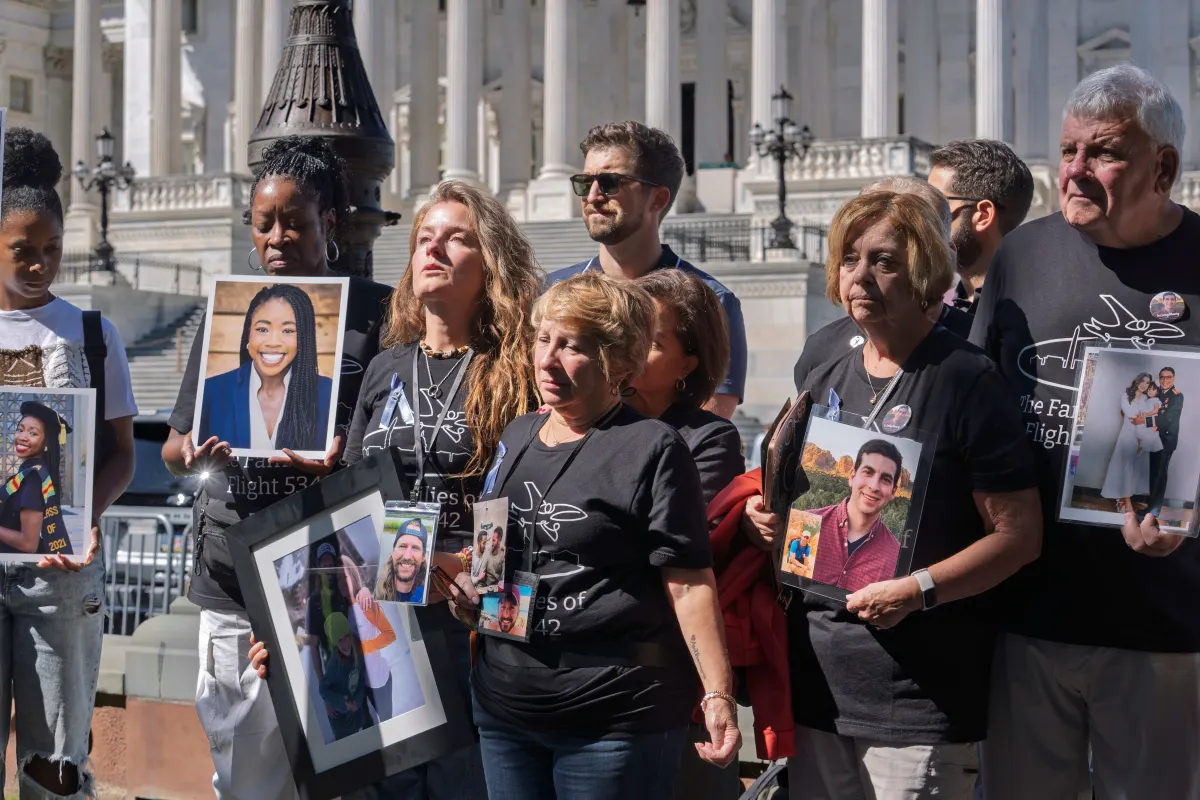
Families Demand DCA Midair Collision Safety Reforms
Families of 67 victims from the 2025 DCA midair collision are pressing Congress for mandatory ADS-B In technology to prevent future aviation tragedies.
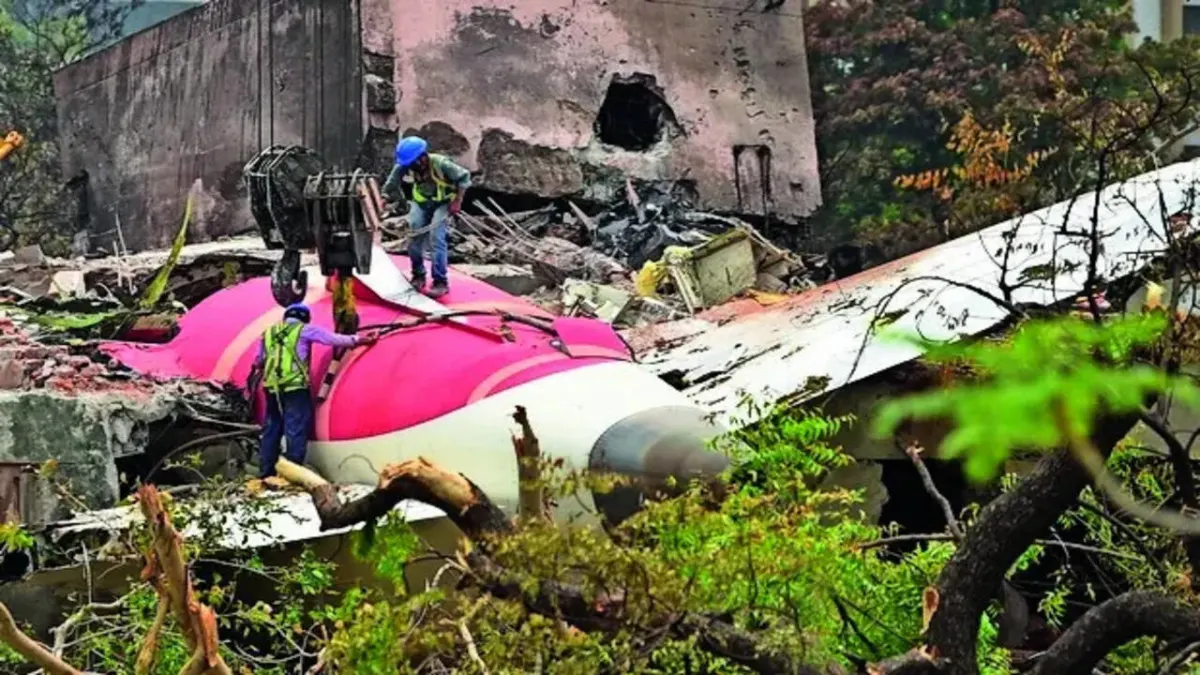
FAS Challenges AAIB Over Boeing 787 Safety Data
The Foundation for Aviation Safety is urging the AAIB to issue safety warnings for the Boeing 787 fleet following the fatal Air India 171 crash.
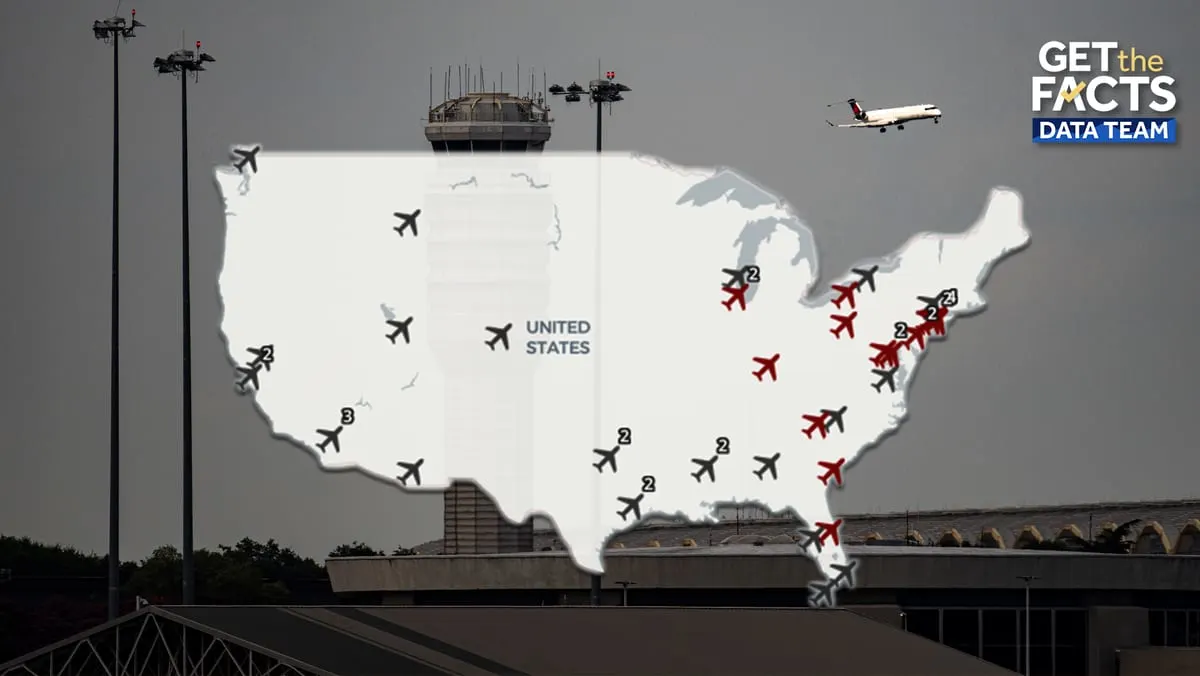
NTSB Safety Recommendations Lag Amid 6 Monthly Near-Misses
Approximately 6 near-miss incidents occur monthly at U.S. airports as 270 NTSB safety recommendations remain unaddressed by federal regulators.
NTSB Rejects FAA Safety Responses After 67-Fatality Crash
The NTSB labeled 11 FAA responses to 2025 DCA mid-air collision recommendations as unacceptable, citing the lack of a mandatory ADS-B In requirement.
EASA Orders Urgent Airbus A380 Wing Spar Inspections
The EASA ordered urgent inspections on 16 Airbus A380s after discovering wing spar cracks that could compromise structural integrity.
Ryanair Flight RK514 Diverts to Birmingham After Emergency
Ryanair flight RK514 diverted to Birmingham Airport on September 13, 2026, following a medical emergency involving a passenger.