NTSB FOIA Release Reveals Fuel Cutoff in China Eastern MU5735 Crash

Co-Founder & CEOAviation News Editor delivering trusted coverage across the global aviation industry.

NTSB data from a FOIA release shows fuel switches on China Eastern MU5735 were moved to cutoff, pointing toward intentional action in the 2022 crash.
Key Takeaways
- •Reveals both engine fuel control switches were moved to the 'cutoff' position
- •Highlights the CAAC's multi-year delay in releasing a final investigation report
- •Effectively exonerates the Boeing 737-800 from suspected mechanical or design failure
- •Draws parallels to previous intentional crashes like SilkAir Flight 185 and Germanwings 9525
A newly released U.S. government document provides the most direct evidence to date regarding the cause of the China Eastern Airlines Flight MU5735 crash, indicating the aircraft’s engines were deliberately shut down. The data, prepared by the National Transportation Safety Board (NTSB) and obtained via a Freedom of Information Act (FOIA) request, confirms that both engine fuel control switches on the Boeing 737-800 were moved to the cutoff position just before its fatal high-speed dive in March 2022, which resulted in 132 fatalities.
The findings shift the focus of the investigation sharply from potential mechanical failure to human factors and possible intentional action. This development places significant pressure on the Civil Aviation Administration of China (CAAC), the lead investigative body, which has yet to release a final report more than four years after the accident, contravening international standards for transparency.
Details of the NTSB Findings
The 261-page report, titled “Cockpit Voice and Flight Data Recorder,” details the NTSB's analysis of the aircraft's recorders, which were sent to its Washington D.C. lab for data extraction. According to the document, which the NTSB submitted to Chinese officials on July 1, 2022, the flight data recorder (FDR) clearly showed the fuel control switches being moved from the “run” to the “cutoff” position. This action would have starved the engines of fuel, leading to a complete loss of thrust.
The public release of this data via a U.S. Freedom of Information Act (FOIA) request circumvents the official Chinese-led investigation, which has remained largely opaque. Under International Civil Aviation Organization (ICAO) guidelines specified in ICAO Annex 13, the state leading an investigation should publish a final report within 12 months or issue annual interim statements explaining the delay. The CAAC has missed these deadlines, citing the complexity of the investigation.
Stakeholder and Industry Impact
The implications of the NTSB's findings are significant for all parties involved:
- Boeing: The data strongly indicates the crash was not caused by a design or manufacturing flaw in the 737-800, one of the world's most widely used airliners. This effectively exonerates the aircraft from a mechanical standpoint, protecting the model's safety record.
- China Eastern Airlines: The airline faces severe reputational damage and the prospect of significant legal liability from victims' families if pilot culpability is officially confirmed. The findings will intensify scrutiny of the airline's crew screening and mental health monitoring protocols.
- Victims' Families: While not an official conclusion, the NTSB data provides a degree of unofficial closure about the aircraft's final moments and the likely cause, potentially redirecting legal claims toward the airline rather than the manufacturer.
- CAAC: The Chinese regulator faces a crisis of credibility. Its failure to publish a timely report, coupled with the release of contradictory evidence from a partner in the investigation, undermines its authority and fuels speculation about political interference in the process.
Historical Precedents and Regulatory Context
The circumstances surrounding MU5735 draw parallels to previous incidents where intentional pilot action was determined to be the cause. The 1997 crash of SilkAir Flight 185, also a Boeing 737, is highly analogous. In that case, the NTSB concluded the captain intentionally crashed the aircraft, while Indonesian authorities issued an inconclusive report. Similarly, the 2015 Germanwings Flight 9525 disaster was determined by investigators to be a deliberate act by the co-pilot. These events have led to increased scrutiny of pilot mental health and cockpit access protocols globally.
The situation also highlights growing geopolitical friction in international aviation investigations. In the 2025 IATA Safety Report, IATA Director General Willie Walsh emphasized the need for transparency, stating, "Accident investigation helps us improve safety, but many reports are not published in a timely, complete, or accessible way." The MU5735 investigation appears to be another case where national sensitivities are impeding the global safety apparatus, which relies on open data sharing. More information on the NTSB's role can be found on their official aviation investigations portal.
What Comes Next
The primary remaining milestone is the release of the official final investigation report by the CAAC. However, this milestone, originally expected by March 2023, is now delayed indefinitely. With the NTSB's technical findings now public, the CAAC is under immense international pressure to either corroborate the data or provide a credible alternative explanation for the crash. The Chinese government has previously stated that any speculation misleads the public and interferes with the ongoing investigation.
Why This Matters
This data release is a pivotal moment in one of the most mysterious and tragic air disasters of the last decade. It provides the strongest public evidence yet that the China Eastern MU5735 crash was a deliberate act, not an accident. The event underscores the critical importance of transparent, apolitical accident investigations as mandated by ICAO and detailed in resources like the IATA Annual Safety Report. For the global aviation industry, it serves as a stark reminder of the persistent threat of insider action and the challenges of ensuring pilot mental fitness.
Frequently Asked Questions
- What did the NTSB report on the China Eastern MU5735 crash reveal?
- The NTSB report, released via a FOIA request, revealed that both engine fuel control switches on the Boeing 737-800 were moved from the 'run' to the 'cutoff' position shortly before the aircraft's fatal dive. This finding strongly suggests a deliberate action rather than a mechanical failure.
- Why hasn't the final report on the MU5735 crash been released?
- The Civil Aviation Administration of China (CAAC) is leading the investigation and has delayed the release of the final report, missing the 12-month deadline recommended by ICAO Annex 13. The CAAC has cited the complexity of the investigation for the ongoing delay.
- How is the China Eastern MU5735 incident similar to other crashes?
- The evidence pointing to intentional action is similar to historical cases like Germanwings Flight 9525 and SilkAir Flight 185, where investigations concluded that a pilot deliberately crashed the aircraft. The SilkAir case is particularly analogous, as the NTSB also found evidence of intentional action while the lead investigating authority's report was inconclusive.
Stay ahead of the airline industry with commercial aviation news from omniflights.com. From aircraft production to supply chains, commercial aviation manufacturing news is covered at omniflights.com/manufacturing.
Written by Hardik Vishwakarma
Co-Founder & Aviation News Editor leading initiatives that improve trust and visibility across the global aviation industry. Covers airlines, airports, safety, and emerging technology.
Visit ProfileYou Might Also Like
Discover more aviation news based on similar topics
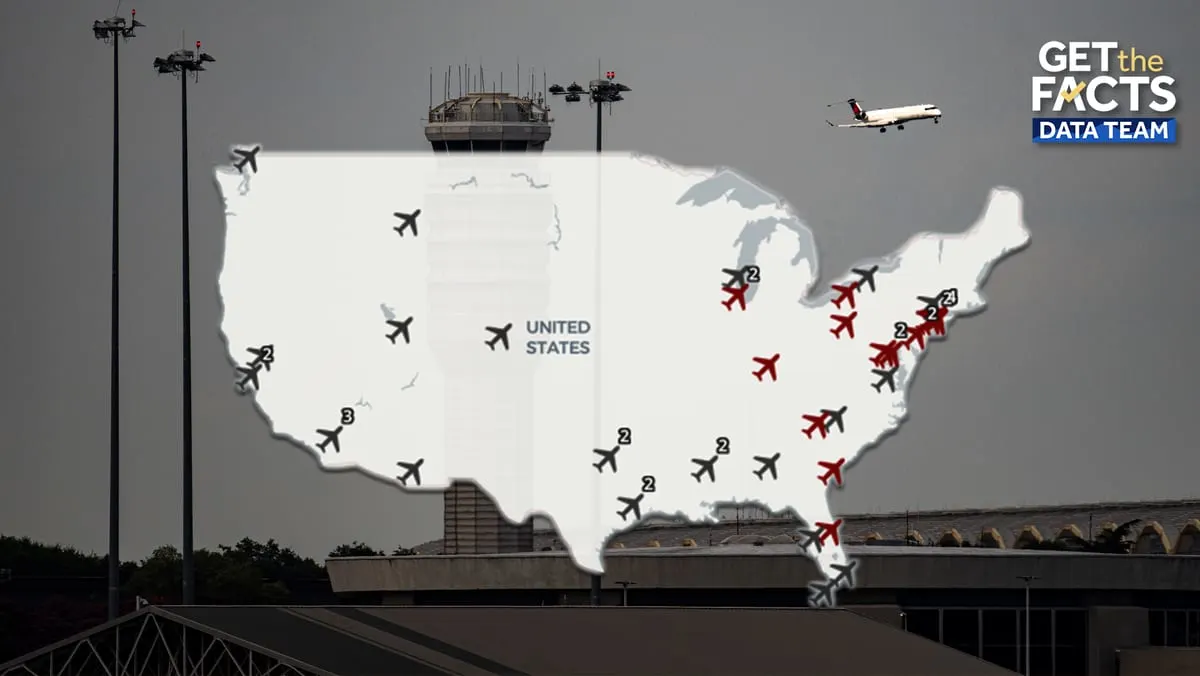
NTSB Safety Recommendations Lag Amid 6 Monthly Near-Misses
Approximately 6 near-miss incidents occur monthly at U.S. airports as 270 NTSB safety recommendations remain unaddressed by federal regulators.
NTSB Rejects FAA Safety Responses After 67-Fatality Crash
The NTSB labeled 11 FAA responses to 2025 DCA mid-air collision recommendations as unacceptable, citing the lack of a mandatory ADS-B In requirement.
EASA Orders Urgent Airbus A380 Wing Spar Inspections
The EASA ordered urgent inspections on 16 Airbus A380s after discovering wing spar cracks that could compromise structural integrity.
Ryanair Flight RK514 Diverts to Birmingham After Emergency
Ryanair flight RK514 diverted to Birmingham Airport on September 13, 2026, following a medical emergency involving a passenger.
Amazon Suspends 21 Air After Fatal Miami 767 Runway Overrun
Amazon has suspended operations with 21 Air following a fatal Boeing 767 runway overrun at Miami International Airport that resulted in five deaths.
FAA Proposes A220 Fuel Line Inspections for US Operators
The FAA issued a proposed directive requiring inspection of motive-flow fuel lines on 13 US-registered Airbus A220s to prevent potential leaks.