Airline CEOs Urge Congress to Pay Federal Aviation Workers Amid Shutdown

Co-Founder & CEOAviation News Editor delivering trusted coverage across the global aviation industry.
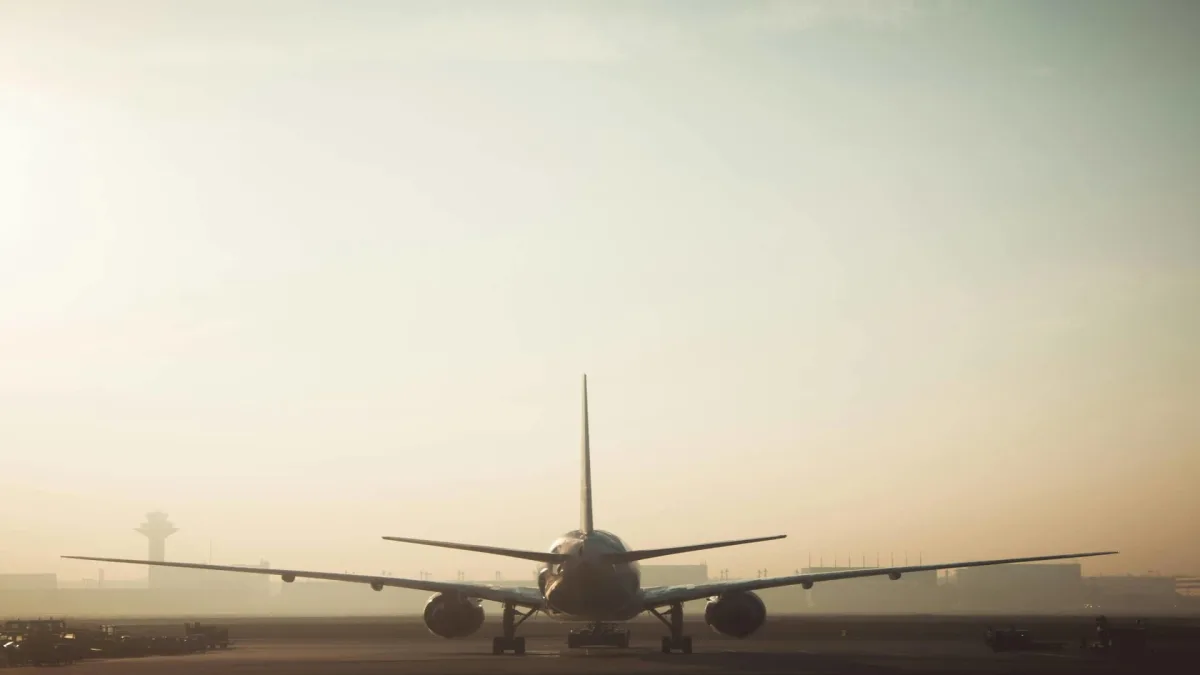
CEOs from 10 major US carriers urged Congress in an open letter to pay federal aviation workers, citing severe operational disruptions from shutdowns.
Key Takeaways
- •Urged Congress to guarantee pay for essential federal aviation workers.
- •Cited over 9,000 flight disruptions during the recent 43-day shutdown.
- •Highlighted $6.1 billion in travel industry losses from the last funding lapse.
- •Warned of unsustainable staff attrition with over 300 TSA officers resigning.
Chief executives from ten major U.S. passenger and cargo carriers have co-authored an open letter urging Congress to ensure essential federal aviation workers receive pay during government shutdowns. The letter, published in The Washington Post, highlights the growing operational strain on the national airspace system as unpaid Transportation Security Administration (TSA) officers and Air Traffic Control (ATC) staff face mounting financial pressure.
The letter follows a fall 2025 government shutdown that lasted 43 days and inflicted significant damage on the aviation and travel sectors. The core issue of the airline CEOs' open letter is the government shutdown's aviation impact, which has made unpaid TSA officers a central point of failure in the system. With the U.S. travel industry projecting 171 million passengers for the upcoming spring travel season—a 4% year-over-year increase—the carriers warn that the system is approaching a breaking point.
Industry-Wide Disruptions
The financial and operational consequences of the funding lapse are substantial. According to Airlines for America (A4A), the trade association representing the carriers, the previous 43-day shutdown resulted in $6.1 billion in losses across the travel industry. During that period, over 9,000 flights were delayed or canceled, directly impacting passenger travel and airline revenue. For instance, American Airlines previously reported that a shutdown cost the company approximately $1 million per day in its initial stages.
The current standoff has exacerbated a critical air traffic controller shortage. The Federal Aviation Administration (FAA) recently mandated that airlines reduce flights by 10% at 40 high-volume airports to manage the staffing deficit. Compounding the issue, workforce attrition is accelerating. An A4A statement confirmed that more than 300 TSA employees have resigned since the current shutdown began, citing the inability to work without pay. This has led to severe operational bottlenecks, with security checkpoint wait times surpassing two hours at major hubs.
Historical Precedents and Regulatory Context
The current situation mirrors previous funding crises that directly impacted aviation. The 2018-2019 government shutdown, which lasted 35 days, ended only after severe ATC shortages led to a ground stop at New York's LaGuardia Airport. That event demonstrated that operational failure within the aviation system can serve as a catalyst for political resolution—a pattern that appears to be repeating. The 2013 shutdown also offers a cautionary tale, as the 16-day lapse led to furloughs of FAA safety inspectors and delayed new aircraft certifications, revealing longer-term impacts beyond frontline operations.
At the heart of the issue is the Antideficiency Act, a federal law that requires essential employees, including TSA officers and air traffic controllers, to work without pay during a funding lapse. In response, the travel industry has backed the bipartisan Keep America Flying Act, proposed legislation that would guarantee pay for these critical workers regardless of broader government funding disputes. However, its passage is contingent on congressional action, and immediate relief depends on a Department of Homeland Security (DHS) Appropriations agreement.
Stakeholder and Economic Impact
The shutdown's impact extends across the entire aviation ecosystem. The most severely affected stakeholders are the frontline TSA officers and air traffic controllers themselves, who face immense financial hardship while performing safety-critical roles. For passengers, the consequences include unpredictable and lengthy security lines, flight disruptions, and uncertainty surrounding travel plans during a peak season.
U.S. airlines and airport operators are also heavily impacted. Carriers face dampened demand and operational chaos, while airports must manage terminal congestion and frustrated travelers. The economic damage radiates outward, affecting local tourism and hospitality sectors that depend on reliable air travel. The expert consensus, articulated by A4A President Chris Sununu, is that using aviation workers as political leverage is "simply unacceptable" and poses a severe risk to the $2.9 trillion U.S. travel economy.
What Comes Next
The immediate priority for the industry is the passage of a DHS funding agreement or a continuing resolution to restore pay for federal workers. This remains pending in Congress. Looking further ahead, the aviation community is focused on the Keep America Flying Act, which is expected to be voted on later in 2026. This legislation is viewed as a crucial long-term fix to decouple essential aviation operations from political stalemates.
Why This Matters
This development underscores the vulnerability of the U.S. aviation infrastructure to political gridlock. The reliance on essential personnel working without compensation is not only a labor issue but a direct threat to the safety and reliability of the national airspace system. For the aviation industry, it highlights the urgent need for legislative safeguards that protect critical operations from becoming collateral damage in broader federal budget disputes.
For in-depth airline coverage and commercial aviation news, omniflights.com delivers timely industry insights. Follow aviation sustainability efforts, emissions research, and green initiatives in the Environmental section at omniflights.com/environmental.
Written by Hardik Vishwakarma
Co-Founder & Aviation News Editor leading initiatives that improve trust and visibility across the global aviation industry. Covers airlines, airports, safety, and emerging technology.
Visit ProfileYou Might Also Like
Discover more aviation news based on similar topics
FAA Proposes Ending Overland Supersonic Flight Ban
The FAA has proposed a new performance-based noise standard to replace the 1973 ban on overland supersonic flight, enabling future commercial travel.

DOT Rule Exempts Airlines From Cyberattack Delay Costs
Starting October 19, 2026, the DOT will allow airlines to withhold meal and hotel vouchers for delays caused by cyberattacks and nine other events.

Wizz Air, Ryanair Demand NATS Reform After ATC Failure
Wizz Air and Ryanair are calling for urgent NATS reform after a September 8 system failure caused over 1,000 flight cancellations across the UK.
US Treasury Iran Sanctions Target 27 Airlines, Mahan Air
The U.S. Treasury sanctioned 36 entities, including 27 Iranian airlines, to disrupt illicit procurement networks used by the Iranian government.

FAA Awards $481M in Airport Infrastructure Grants
The FAA announced $481 million in infrastructure grants across 191 U.S. airports to improve runways, terminals, and overall capacity.
FAA Air Traffic Controllers Protest Pay and Staffing Cuts
The FAA is withholding a 2.8% pay raise for air traffic controllers, exacerbating morale and safety concerns amid a critical nationwide staffing shortage.