Airbus and Boeing Deliver 120 Jets in July 2026

Co-Founder & CTOCo-Founder & CTO driving the technology and data systems behind Omni Flights.
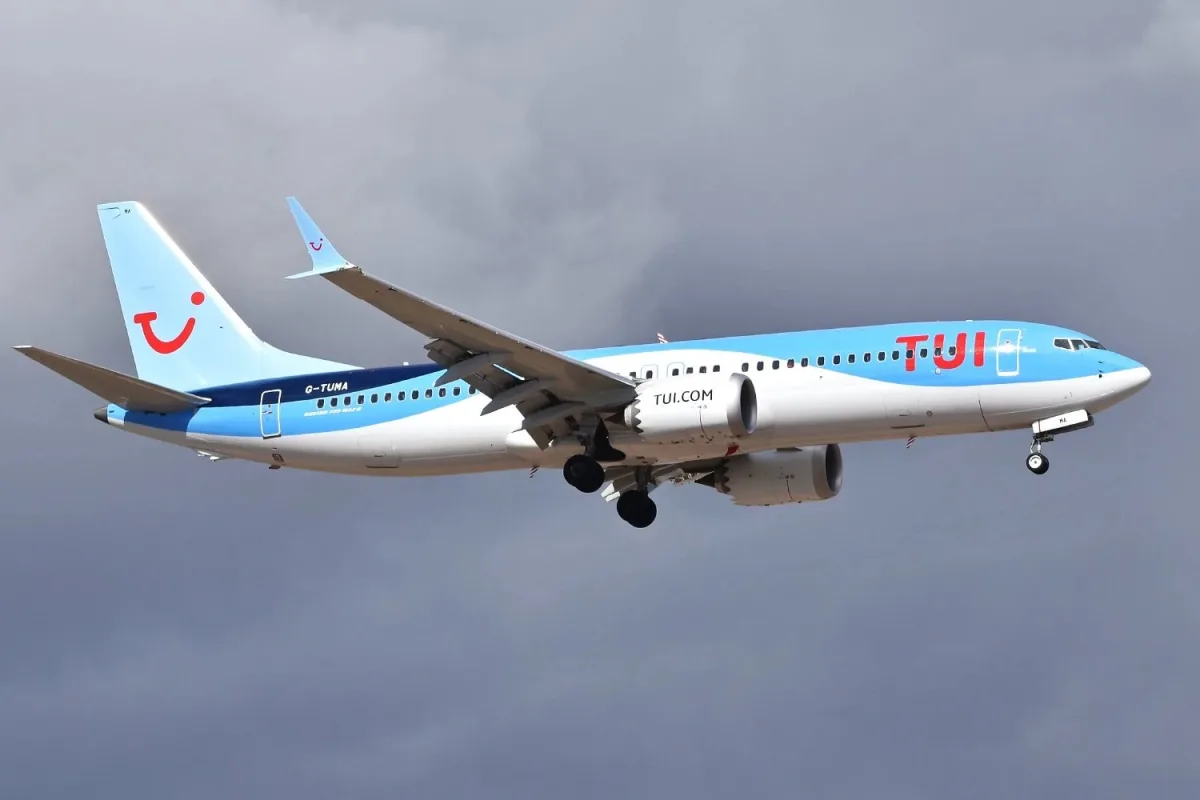
Airbus and Boeing delivered 120 commercial aircraft in July 2026, with Airbus maintaining its market lead despite Boeing's year-over-year recovery.
Key Takeaways
- •Airbus delivered 67 commercial aircraft in July 2026, reaching 418 YTD.
- •Boeing delivered 53 airplanes in July 2026, bringing its YTD total to 367.
- •Boeing's July output fell 17% from June but rose 10% year-over-year.
- •Airbus targets approximately 870 commercial aircraft deliveries for 2026.
The latest monthly manufacturing data highlights a widening gap in Airbus vs Boeing deliveries as both manufacturers navigate distinct production trajectories. According to official commercial reports, Boeing commercial aircraft deliveries reached 53 units in July 2026, while Airbus maintained its market lead with 67 deliveries during the same month. This monthly activity, alongside the latest Airbus July 2026 orders and delivery updates, underscores the ongoing recovery and persistent supply chain challenges across the global aerospace sector.
The July 2026 performance reflects broader commercial aviation market dynamics, where manufacturing output directly dictates airline capacity and fleet planning. Airbus continues to leverage its stabler production lines, whereas Boeing is working to stabilize its assembly lines amid intense regulatory scrutiny and quality-control resets. For global airlines, the pace of these deliveries directly influences summer schedule integrity, fuel efficiency metrics, and the retirement timelines of older, less efficient aircraft.
According to the Airbus July 2026 Orders and Deliveries Report, the European manufacturer handed over 67 commercial aircraft to customers during the month. This monthly output pushed the Airbus Year-To-Date (YTD) delivery total to 418 aircraft for the first seven months of 2026. This steady delivery rate aligns with the manufacturer's efforts to ramp up production of its popular narrowbody and widebody families.
Conversely, the Boeing Orders and Deliveries Data (August 2026) shows that the American aerospace giant delivered 53 commercial airplanes in July 2026. This monthly performance brought Boeing's YTD total to 367 aircraft for 2026. While Boeing's July delivery figure represents a 17% drop compared to the previous month of June, market analysis indicates it actually represents an approximate 10% increase compared to the 48 aircraft Boeing delivered in July 2025.
These delivery fluctuations have significant consequences for industry stakeholders. For aircraft lessors and airlines, delayed Boeing deliveries force carriers to extend leases on aging jets or reduce overall network capacity, which increases operational and maintenance costs. Meanwhile, the aerospace supply chain, including engine manufacturers like CFM International and Pratt & Whitney, experiences varying impacts. Consistent output from Airbus provides critical stability for tier-1 suppliers, although overall industry supply chain bottlenecks remain a pacing factor for both major manufacturers.
The ongoing delivery disparities between the two manufacturing giants are rooted in historical precedents. Between March 2019 and November 2020, the global grounding and production halt of the Boeing 737 MAX allowed Airbus to officially surpass Boeing as the world's largest commercial aircraft manufacturer by delivery volume. The current delivery gap, with Airbus maintaining a 51-aircraft lead in YTD deliveries (418 versus 367) as of July 2026, is a continuing consequence of Boeing's production resets and the regulatory scrutiny that began during that safety crisis.
Production Disparities and Supply Chain Bottlenecks
The July 2026 delivery figures illustrate a persistent structural divergence in aerospace manufacturing output. Airbus's ability to maintain a higher delivery rate—67 aircraft compared to Boeing's 53—highlights its superior supply chain resilience and steadier industrial execution. This development indicates that Airbus is successfully managing the complex industrial ramp-up required to meet its long-term targets, supported by strong demand for its product line. According to Airbus Chief Executive Officer Guillaume Faury, "Our focus on steady execution is paying off, as demonstrated by strong deliveries... This fuels our confidence in our future performance, as reflected in the recently-communicated mid-term outlook." Conversely, Boeing's 17% month-over-month drop from June to July demonstrates the volatility inherent in its current recovery phase. As Boeing prioritizes quality-control protocols and safety compliance over raw speed, its monthly output is expected to remain uneven, reflecting a deliberate regulatory and operational transition aimed at long-term stability rather than short-term volume maximization.
Tracking the 2026 Delivery Milestones
Looking ahead, several key milestones will define the commercial manufacturing landscape for the remainder of the year. The Boeing Company is expected to publish its August 2026 Orders and Deliveries report in September 2026, which will provide further clarity on whether the manufacturer can stabilize its monthly output above the 50-aircraft threshold. Meanwhile, Airbus SE is working toward its expected full-year 2026 delivery target of approximately 870 commercial aircraft by December 31, 2026. Achieving this ambitious target will require Airbus to average more than 90 deliveries per month for the remaining five months of the year, a seasonal surge that historically tests the limits of the global aerospace supply chain.
Why the Delivery Pace Matters to Fleet Planners
The ongoing delivery race between Airbus and Boeing is far more than a corporate competition; it is the primary driver of global airline capacity. For airline fleet planners, the predictability of aircraft deliveries determines route expansion viability, fuel burn reduction targets, and cabin modernization schedules. As long as delivery timelines remain volatile, airlines must maintain costly operational buffers, highlighting the critical role that manufacturing stability plays in the broader economics of commercial aviation.
Frequently Asked Questions
- How many commercial aircraft did Airbus deliver in July 2026?
- Airbus delivered 67 commercial aircraft in July 2026. This performance brought its year-to-date delivery total to 418 aircraft.
- What was Boeing's commercial aircraft delivery total for July 2026?
- Boeing delivered 53 commercial airplanes in July 2026, bringing its year-to-date total to 367 aircraft. Although this represented a 17% drop from June 2026, it was a 10% increase compared to July 2025.
- What is the full-year delivery target for Airbus in 2026?
- Airbus is targeting approximately 870 commercial aircraft deliveries for the full year ending December 31, 2026.
Access up-to-date commercial aviation news and airline industry developments via omniflights.com. Follow aviation sustainability efforts, emissions research, and green initiatives in the Environmental section at omniflights.com/environmental.
Written by Shashank Shukla
Co-Founder & CTO leading the engineering and AI systems behind Omni Flights. Covers aviation technology, flight safety, aircraft manufacturing, and emerging aerospace developments.
Visit ProfileYou Might Also Like
Discover more aviation news based on similar topics

Boeing 777X Testing Spills Into 2027 Amid Certification Hurdles
Boeing expects some 777X testing to extend into 2027, though the manufacturer maintains its target for the first delivery of the aircraft that year.

Airbus A350F Completes Ground Tests Before Maiden Flight
Airbus has finished initial ground tests for the A350F, with the freighter set for a late 2026 maiden flight and a 2027 entry into service.

Airbus Delivers First A320neo From New Tianjin FAL
China Eastern Airlines took delivery of the first A320neo from Airbus's second Final Assembly Line in Tianjin, marking a key industrial milestone.
Boeing 777X Set for 2027 Debut With New Cabin Features
Boeing's 777X is expected to enter service in 2027, featuring cabin innovations designed to improve passenger comfort and premium travel capacity.
Boeing Awarded $562M Contract for MQ-25 Stingray Production
The U.S. Navy awarded Boeing a $562 million contract for the first three MQ-25 Stingray unmanned aerial refueling tankers, with deliveries expected in...

Boeing Logs 15 Gross Orders Including 13 787 Dreamliners
Boeing recorded 15 gross orders in August 2026, featuring 13 widebody 787 Dreamliner commitments from undisclosed customers.