Air New Zealand 777 Diverts to Auckland on Fiji Flight After Technical Fault

Co-Founder & CEOAviation News Editor delivering trusted coverage across the global aviation industry.
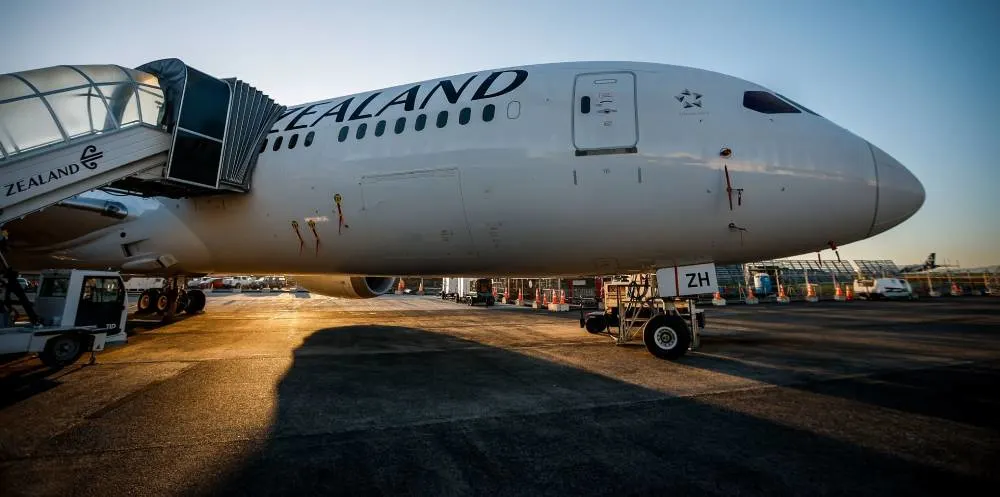
An Air New Zealand Boeing 777-300ER returned to Auckland due to an engineering issue, disrupting its daily service to Nadi, Fiji.
Key Takeaways
- •Diverted a Boeing 777-300ER back to Auckland due to an in-flight engineering issue.
- •Rebooked all passengers on subsequent flights, impacting the airline's sole daily Nadi service.
- •Followed standard safety protocols prioritizing a return to a primary maintenance hub.
- •Aircraft undergoing mandatory inspection before an expected return to service within 48 hours.
An Air New Zealand flight bound for Nadi, Fiji, performed an air turnback to its departure point at Auckland Airport (AKL) following an in-flight engineering issue. The aircraft involved was a Boeing 777-300ER, one of seven in the airline's active fleet.
The decision, described as the "best decision in terms of safety" by the airline's Chief Safety and Risk Officer (CSRO), Nathan McGraw, aligns with standard industry protocols for managing technical faults on widebody aircraft. While the turnback disrupted travel for up to 342 passengers, it prioritized returning the aircraft to a primary maintenance hub rather than risk stranding it at its destination, Nadi International Airport (NAN). All affected passengers were rebooked on services departing the following day.
Incident Details and Official Response
The flight, operating on the airline's sole daily service between Auckland and Nadi, was en route when the crew was alerted to the engineering trouble. The specific nature of the fault was not disclosed by the airline. In a statement, CSRO Nathan McGraw confirmed the precautionary measure. “The aircraft will undergo an inspection before being cleared to return to service,” McGraw stated. “We apologise for the disruption to travel plans and appreciate our customers’ patience and understanding. The safety of our customers and crew is our utmost priority.” The Boeing 777-319, which is the manufacturer’s customer code for Air New Zealand’s 777-300ER variant, returned safely to Auckland.
Operational Context
The Auckland to Nadi route covers a distance of 1,347 miles (2,167 km) and has a scheduled flight time of approximately 3 hours and 15 minutes. The use of a high-capacity widebody like the Boeing 777-300ER on this relatively short-haul leisure route reflects an industry trend of deploying larger aircraft to meet peak demand to popular tourist destinations. This strategy, however, increases the operational complexity of a diversion. Returning to Auckland ensures that specialized engineers and parts are available, a capability that may be limited in Nadi. This decision is consistent with regulations set by the Civil Aviation Authority of New Zealand (CAA), specifically under Part 121 Air Operations, which governs crew decision-making and safety management.
Broader Industry Precedents
This event is not an isolated case for the airline and reflects a consistent safety-first approach. In August 2025, an Air New Zealand flight from Auckland to Perth diverted to Sydney due to a fuel discrepancy that required investigation, demonstrating a similar protocol of diverting to a major hub. Furthermore, in December 2023, a flight on the Nadi-Auckland route was cancelled due to an air conditioning fault, also resulting in passenger re-accommodation. These historical precedents underscore the airline's established procedures for handling in-flight and on-ground technical issues, prioritizing comprehensive engineering checks over schedule adherence. The practice of an Air Turnback (ATB) to a maintenance base is a growing trend, as airlines seek to minimize the risk of prolonged Aircraft on Ground situations at outstations.
Stakeholder and Network Impact
The unscheduled return of the flight created immediate logistical challenges. For Air New Zealand's maintenance and engineering team, it necessitated an immediate inspection and potential repairs on a key long-haul asset. Ground operations at Auckland Airport had to manage the deplaning and rebooking of hundreds of passengers. The impact extended to Fiji, where tourism operators faced delayed arrivals for a full widebody flight, potentially affecting hotel check-ins and tour schedules.
Technical Analysis
The decision to execute an air turnback for the Boeing 777-300ER highlights a fundamental principle of modern aviation risk management: containing operational disruptions at the source. By returning the aircraft to its primary maintenance base in Auckland, Air New Zealand mitigated the significant risk of a long-term grounding in Nadi, an airport with more limited widebody engineering support. This proactive approach, while causing short-term passenger disruption, is strategically sound from an asset management perspective. It aligns with the industry-wide trend of centralizing heavy maintenance and avoiding situations where a valuable long-haul aircraft could be out of service for an extended period awaiting parts or specialized technicians. The incident reinforces that for network carriers, maintaining fleet availability and operational integrity often outweighs the immediate cost of a single flight disruption.
What Comes Next
Following the successful return to Auckland, the Boeing 777-300ER was immediately handed over to Air New Zealand's engineering division for a thorough inspection. The aircraft's return to service is expected within 24 to 48 hours, pending clearance from the maintenance team. This timeline is contingent on the nature of the engineering issue and any required repairs.
Why This Matters
This incident serves as a practical example of an airline's Safety Management System in action. It illustrates the operational trade-offs between schedule integrity and uncompromising safety standards. For the aviation industry, it reinforces the strategic importance of returning aircraft with technical faults to well-equipped maintenance hubs, even at the cost of immediate disruption, to ensure long-term fleet reliability and safety.
From airline operations to fleet updates, commercial aviation news lives at omniflights.com. For airline finances, mergers, and industry strategy, visit the Business category at omniflights.com/business.
Written by Hardik Vishwakarma
Co-Founder & Aviation News Editor leading initiatives that improve trust and visibility across the global aviation industry. Covers airlines, airports, safety, and emerging technology.
Visit ProfileYou Might Also Like
Discover more aviation news based on similar topics

Families Demand DCA Midair Collision Safety Reforms
Families of 67 victims from the 2025 DCA midair collision are pressing Congress for mandatory ADS-B In technology to prevent future aviation tragedies.

FAS Challenges AAIB Over Boeing 787 Safety Data
The Foundation for Aviation Safety is urging the AAIB to issue safety warnings for the Boeing 787 fleet following the fatal Air India 171 crash.
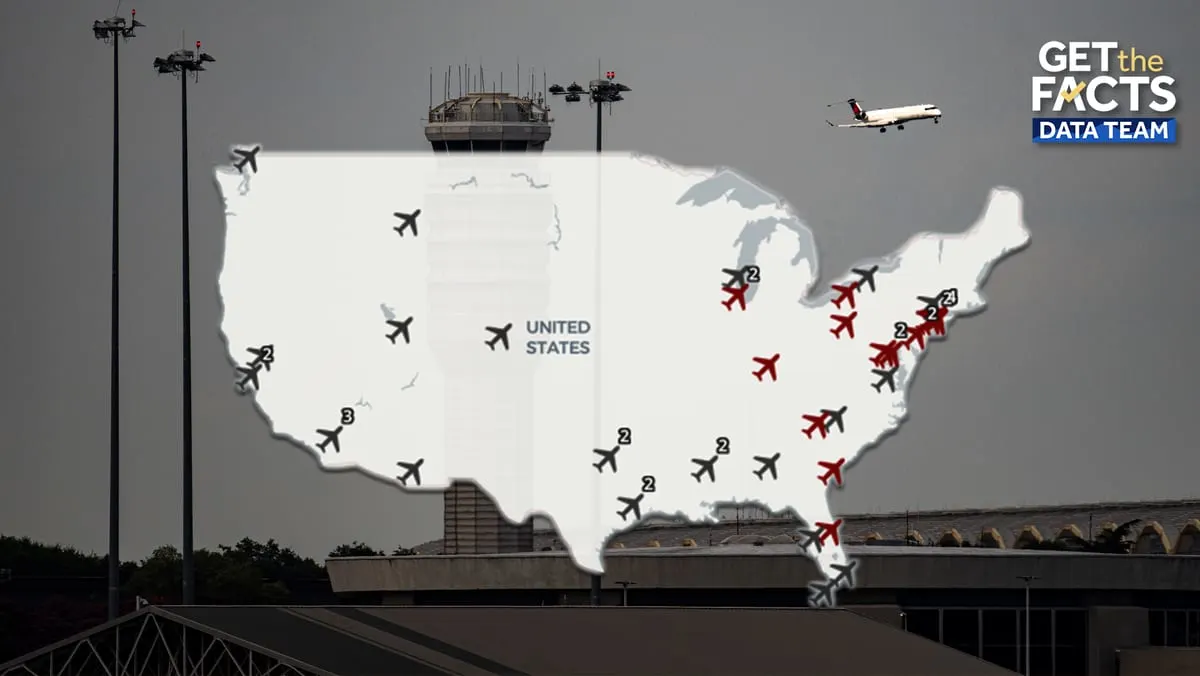
NTSB Safety Recommendations Lag Amid 6 Monthly Near-Misses
Approximately 6 near-miss incidents occur monthly at U.S. airports as 270 NTSB safety recommendations remain unaddressed by federal regulators.
NTSB Rejects FAA Safety Responses After 67-Fatality Crash
The NTSB labeled 11 FAA responses to 2025 DCA mid-air collision recommendations as unacceptable, citing the lack of a mandatory ADS-B In requirement.
EASA Orders Urgent Airbus A380 Wing Spar Inspections
The EASA ordered urgent inspections on 16 Airbus A380s after discovering wing spar cracks that could compromise structural integrity.
Ryanair Flight RK514 Diverts to Birmingham After Emergency
Ryanair flight RK514 diverted to Birmingham Airport on September 13, 2026, following a medical emergency involving a passenger.