Air India Seeks Shareholder Funds After $2.4B Annual Loss

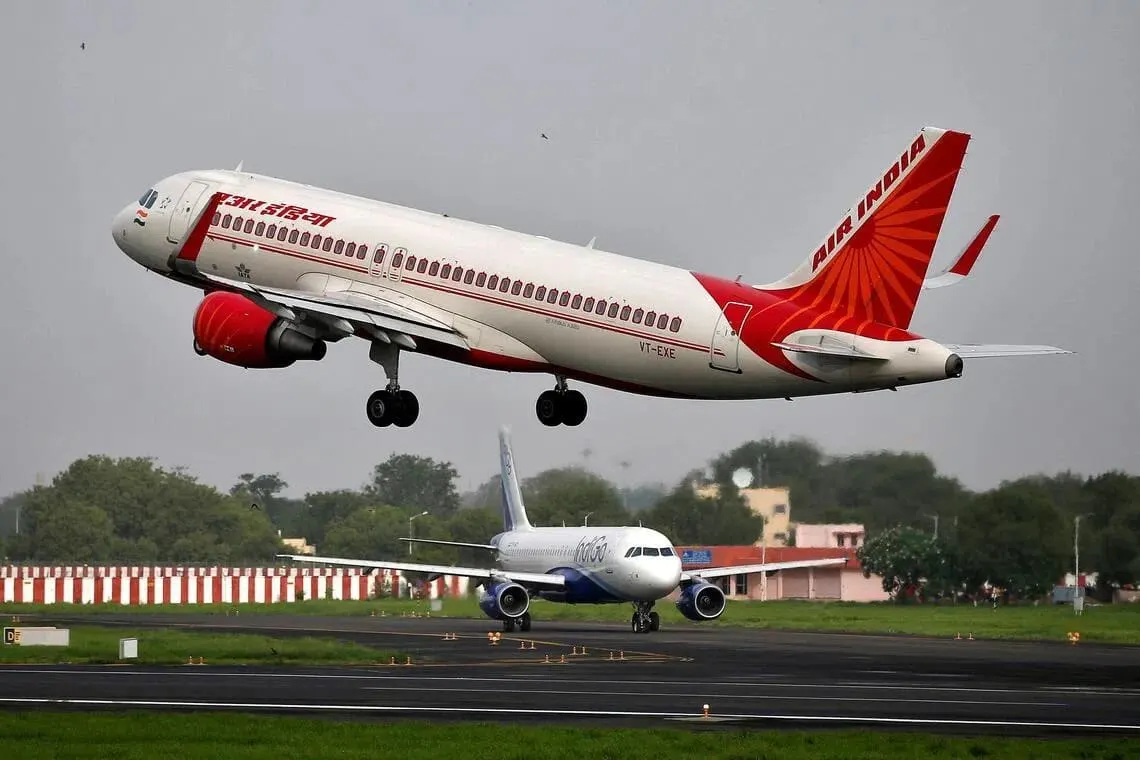
Air India is seeking financial aid from shareholders Tata Group and SIA after posting a wider-than-expected $2.4 billion annual loss for fiscal year 2026.
Key Takeaways
- •Posted a fiscal year loss exceeding 220 billion rupees ($2.4 billion).
- •Seeks emergency funding from shareholders Tata Group and Singapore Airlines.
- •Cites a fatal Boeing 787 crash and geopolitical airspace closures as key factors.
- •Faces a leadership transition with CEO Campbell Wilson set to step down in 2026.
Air India is seeking an emergency capital injection from its shareholders after recording a wider-than-expected annual loss of more than 220 billion rupees ($2.4 billion) for the fiscal year ending March 31, 2026. The carrier’s financial performance was severely impacted by a series of crises, including a fatal aircraft crash and significant geopolitical airspace closures. The airline's controlling shareholder, Tata Group, and minority owner Singapore Airlines (SIA), which holds a 25.1% stake, are in discussions to provide the necessary funds.
The substantial loss exceeds an earlier internal company estimate of $1.6 billion and highlights the severe operational and financial headwinds confronting the airline. The fiscal year was marked by the catastrophic crash of Air India Flight 171, a Boeing 787-8 Dreamliner, in June 2025 which resulted in 241 fatalities. Compounding the tragedy, the airline faced prolonged airspace closure by Pakistan beginning in April 2025 and escalating conflict in the Middle East, which accounts for 16% of its total capacity. These events forced lengthy and costly rerouting for key international flights to Europe and North America.
Compounding Crises
The financial downturn derailed Air India's target to achieve operational break-even. The year began positively, with the airline reporting operating profits in early April 2025. However, the situation deteriorated following Pakistan's decision to close its airspace to Indian carriers, a move reminiscent of a similar closure in 2019 that caused heavy financial strain. The June 2025 crash of the Boeing Dreamliner prompted the carrier to reduce both international and domestic services, further eroding revenue.
The airline's challenges are not solely external. India's aviation regulator, the Directorate General of Civil Aviation (DGCA), ranked Air India worst for safety issues in its latest annual audit. This finding complicates the airline's ambitious fleet expansion and service improvement plans, which were central to the turnaround strategy following its merger with Vistara in 2024. The ongoing difficulties coincide with a leadership transition, as Chief Executive Officer Campbell Wilson announced his intention to step down later in 2026.
Shareholder and Industry Impact
The financial burden falls heavily on Air India's backers. For Tata Group, stemming the losses is reportedly a key condition for approving a third term for its chairman, Natarajan Chandrasekaran. In a statement, Chandrasekaran noted, "Air India has shown remarkable resilience in navigating a perfect storm, and we must maintain the same spirit that has been demonstrated." Singapore Airlines has also seen its earnings negatively affected by Air India's performance.
The situation also has implications for Boeing, which faces renewed safety scrutiny following the first fatal crash involving its 787 Dreamliner model. For passengers, the operational disruptions have led to longer flight times and the potential for higher fares on critical long-haul routes.
Historical Context
The convergence of a fatal widebody crash and geopolitical airspace restrictions places Air India in a precarious position, echoing historical precedents. In 2014, Malaysia Airlines faced a similar dual crisis with the tragedies of flights MH370 and MH17, which ultimately led to its nationalization and a massive restructuring. Similarly, the 2025 Pakistan airspace closure directly mirrors the 2019 ban, which cost Air India over $80 million alone. This history suggests that recovery from such combined shocks is a complex and capital-intensive process that tests the long-term commitment of shareholders.
What Comes Next
The immediate future for Air India revolves around securing the necessary funding from Tata Group and SIA. The exact size of the capital injection is still under discussion. The carrier will also focus on navigating the leadership transition, with a new CEO expected to be appointed in late 2026. Operationally, the airline must address the deficiencies identified in the DGCA safety audit to restore confidence. The final investigation report into the AI-171 crash, expected by June 2026 from the Aircraft Accident Investigation Bureau (AAIB), will be a critical milestone in understanding the incident and implementing corrective actions.
Why This Matters
Air India's struggle represents a critical test for Tata Group's ambitious plan to build a dominant global airline. The confluence of a major safety event, geopolitical conflict, and operational challenges underscores the inherent volatility of the aviation industry. For the broader market, it serves as a stark reminder of how external shocks can rapidly derail even the most well-funded turnaround strategies, with significant consequences for airline investors, manufacturers, and international travelers.
Frequently Asked Questions
- Why did Air India lose over $2.4 billion in the last fiscal year?
- Air India's significant loss was driven by several severe factors, including reduced services following a fatal Boeing 787 crash, costly flight rerouting due to Pakistan's airspace closure, and grounded capacity from conflict in the Middle East.
- Who are the main shareholders of Air India?
- Air India's controlling shareholder is the Tata Group. Singapore Airlines (SIA) holds a significant minority stake of 25.1% following the merger of its local affiliate, Vistara, with the carrier in 2024.
- What was the result of Air India's latest safety audit?
- In the latest annual audit conducted by India's Directorate General of Civil Aviation (DGCA), Air India was ranked worst among Indian carriers for safety issues, presenting a significant challenge to its turnaround and expansion efforts.
omniflights.com provides comprehensive commercial aviation news covering airlines, aircraft, and airports. Follow aviation sustainability efforts, emissions research, and green initiatives in the Environmental section at omniflights.com/environmental.

Written by Hardik Vishwakarma
Co-Founder & Aviation News Editor leading initiatives that improve trust and visibility across the global aviation industry. Covers airlines, airports, safety, and emerging technology.
Visit ProfileYou Might Also Like

Lufthansa to Acquire 44.9% Stake in TAP Air Portugal
Avolon Orders 70 Rolls-Royce Trent 7000 Engines
IndiGo Secures $328M Financing for 8 Airbus Aircraft

Delta Air Lines Earnings: Fuel Costs Surge, Fares Rise
FTAI Aviation Acquires 27 WestJet Boeing 737-700 Aircraft