Air India Returns Vancouver Flight After Deploying Wrong Boeing 777

Co-Founder & CEOAviation News Editor delivering trusted coverage across the global aviation industry.

Air India's Vancouver flight AI185 returned to Delhi after 8 hours due to deploying a Boeing 777-200LR that lacked clearance for Canadian airspace.
Key Takeaways
- •Deployed an unapproved Boeing 777-200LR, forcing an 8-hour return flight to Delhi.
- •Wasted an estimated 64 to 71 tonnes of jet fuel due to the rostering error.
- •Faces a formal investigation by India's Directorate General of Civil Aviation (DGCA).
- •Violated Transport Canada's Foreign Air Operator Certificate (FAOC) requirements for the route.
An Air India flight bound for Vancouver was forced to return to Delhi on March 19, 2026, after a critical operational error involving the deployment of an unapproved aircraft variant. Flight AI185 was airborne for 7 hours and 54 minutes before turning back, a journey that resulted in significant financial losses and passenger disruption. The incident highlights a severe lapse in the airline's dispatch and compliance verification procedures.
The core of the issue was the substitution of a Boeing 777-200LR (Longer Range) aircraft, registration VT-AEI, for the scheduled Boeing 777-300ER (Extended Range). While both are part of the same aircraft family, the B777-200LR did not possess the required Foreign Air Operator Certificate (FAOC) issued by Transport Canada to operate in Canadian airspace. The error was not detected until the flight was well underway over Chinese airspace, necessitating a return to its origin at Indira Gandhi International Airport (DEL).
Air India described the event as an "operational issue," stating that the return was executed in line with standard procedures once the error was identified and that passenger safety was not compromised. However, the financial and logistical consequences were substantial. According to an analysis by the Economic Times, the flight wasted an estimated 64 to 71 tonnes of jet fuel. The blunder also caused a 24-hour delay for passengers, who had to be provided with accommodation in Delhi before being re-booked on a correctly certified aircraft.
Regulatory and Stakeholder Impact
The incident represents a serious compliance failure under regulations set by India's Directorate General of Civil Aviation (DGCA), which mandates strict adherence to approved flight plans and equipment rosters. The DGCA is expected to launch a formal investigation into Air India's internal processes. The primary stakeholders affected were:
- Air India: The airline absorbed the cost of the wasted fuel, crew duty time, and passenger compensation, in addition to the operational disruption of having a long-haul aircraft out of its scheduled rotation for a full day.
- Passengers: Travelers on flight AI185 experienced an eight-hour flight to nowhere and a significant delay in reaching their destination at Vancouver International Airport (YVR).
- Regulators: Both the DGCA and Transport Canada are implicated, with the incident prompting a review of how such a fundamental rostering error could bypass multiple layers of pre-flight checks.
Precedent and Technical Context
This type of error, while rare, is not unprecedented. In June 2025, American Airlines Flight AA780 from Philadelphia to Naples was forced to divert after the carrier deployed a Boeing 787-9 instead of the approved 787-8 variant, which lacked specific clearance for the destination airport. That event also required a costly operational correction, underscoring the strict, variant-specific nature of international aviation approvals.
The two Boeing 777 variants involved in the Air India incident have distinct specifications, which are critical for regulatory and operational planning despite their similar appearance. Air India's fleet currently includes 19 Boeing 777-300ERs, the approved workhorse for its ultra-long-haul routes.
Boeing 777-300ER vs. 777-200LR
| Metric | Boeing 777-300ER | Boeing 777-200LR |
|---|---|---|
| Range | 7,370 nmi | 8,555 nmi |
| Length | 73.9 m | 63.7 m |
| Typical 2-class Capacity | 396 passengers | 317 passengers |
Technical Analysis
This development indicates a significant gap in Air India's operational control and compliance verification systems. In modern aviation, where flight planning is heavily automated, such a fundamental error suggests a failure in either the software parameters, human oversight, or both. The incident follows a pattern where administrative oversights, amplified by high operating costs like global jet fuel prices, can translate into multi-million dollar financial losses. While aviation safety analysts note that turning back was the only correct and safe decision once the breach was found, the core failure occurred on the ground, long before takeoff. This event reinforces the industry trend of strict regulatory adherence, where aircraft variants are not interchangeable without explicit, route-specific approval from destination authorities.
What Comes Next
The Directorate General of Civil Aviation is expected to complete its investigation and determine potential disciplinary action by the second quarter of 2026. The probe will likely focus on Air India's dispatch, rostering, and pre-flight verification protocols to identify the procedural breakdown and mandate corrective actions to prevent a recurrence.
Why This Matters
For the aviation industry, the Air India incident is a costly reminder that operational integrity extends beyond technical airworthiness to include meticulous administrative and regulatory compliance. It demonstrates how a single rostering mistake can trigger a cascade of financial and reputational damage, stressing the need for redundant, fail-safe verification systems in airline operations.
For in-depth airline coverage and commercial aviation news, omniflights.com delivers timely industry insights. For reporting on UAP sightings, investigations, and aviation-related encounters, see the UAPs section at omniflights.com/uaps.
Written by Hardik Vishwakarma
Co-Founder & Aviation News Editor leading initiatives that improve trust and visibility across the global aviation industry. Covers airlines, airports, safety, and emerging technology.
Visit ProfileYou Might Also Like
Discover more aviation news based on similar topics
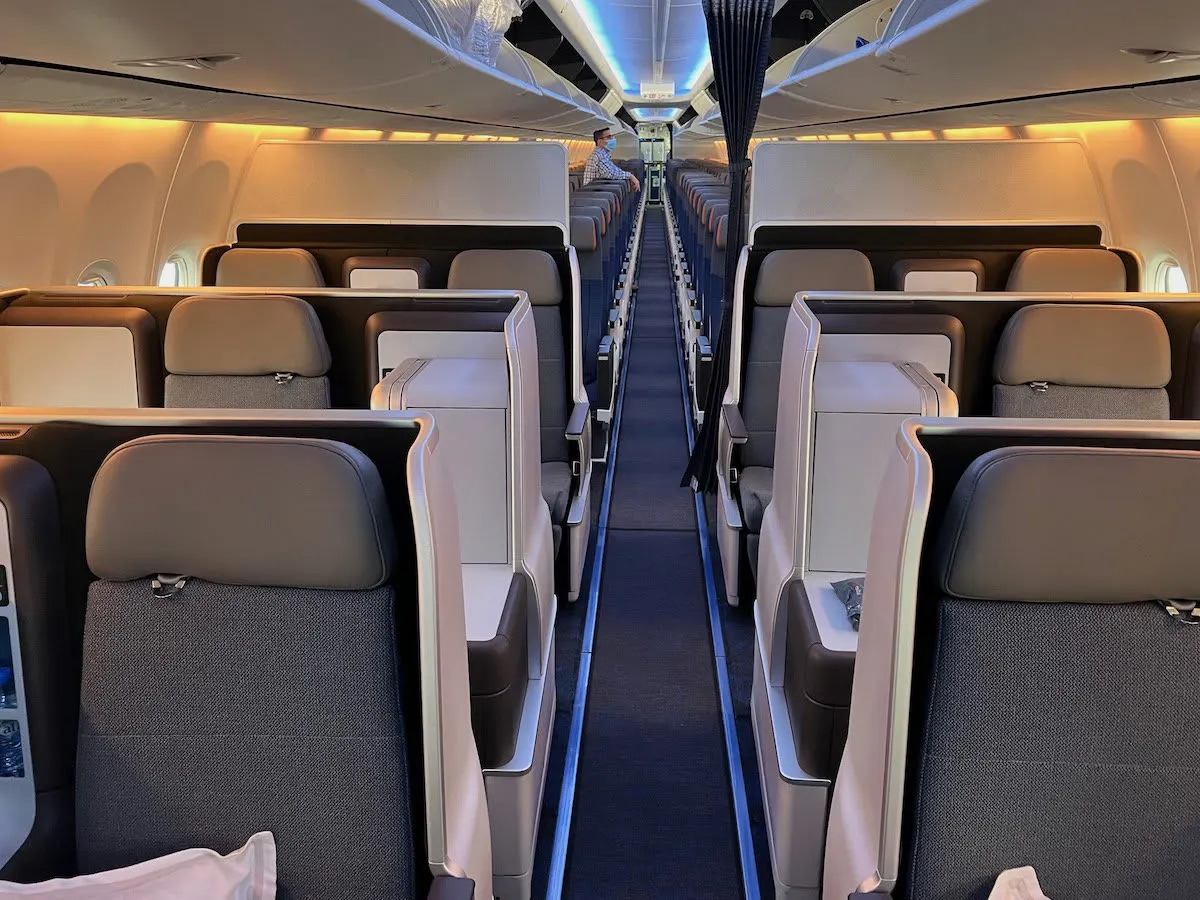
Flydubai Upgrading 21 Boeing 737 MAX 8s to Flat Bed Seats
Flydubai is retrofitting 21 Boeing 737 MAX 8 aircraft with lie-flat business class seats to standardize its premium product by late 2027.
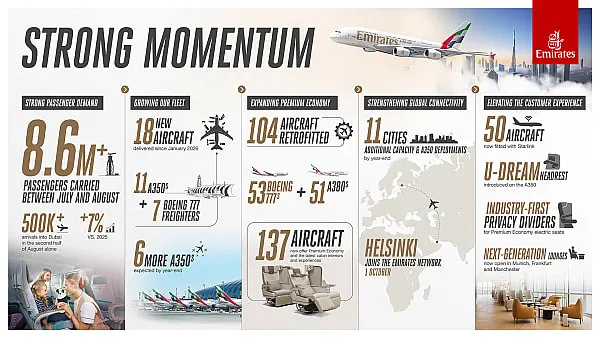
Emirates Winter Booking Momentum Grows Amid Fleet Expansion
Emirates carried 8.6 million passengers this summer and enters winter with strong demand as it accelerates fleet retrofits and network growth.
Air Arabia Consortium Gains AOC for New Dammam Budget Airline
A Saudi GACA-led consortium including Air Arabia has secured an AOC to launch a new budget airline based at Dammam's King Fahd International Airport.

Turkish Airlines Exits Luanda as Angola Hub Struggles
Turkish Airlines dropped its Luanda route as Angola's new airport struggles to attract traffic, handling only 756,028 passengers in 2025.

Red Sea Airlines Leases Two 737 MAX 8s for 2027 Expansion
Red Sea Airlines signed a lease for two Boeing 737 MAX 8 aircraft from SMBC Aviation Capital, arriving in 2027 to support its 14-aircraft fleet goal.
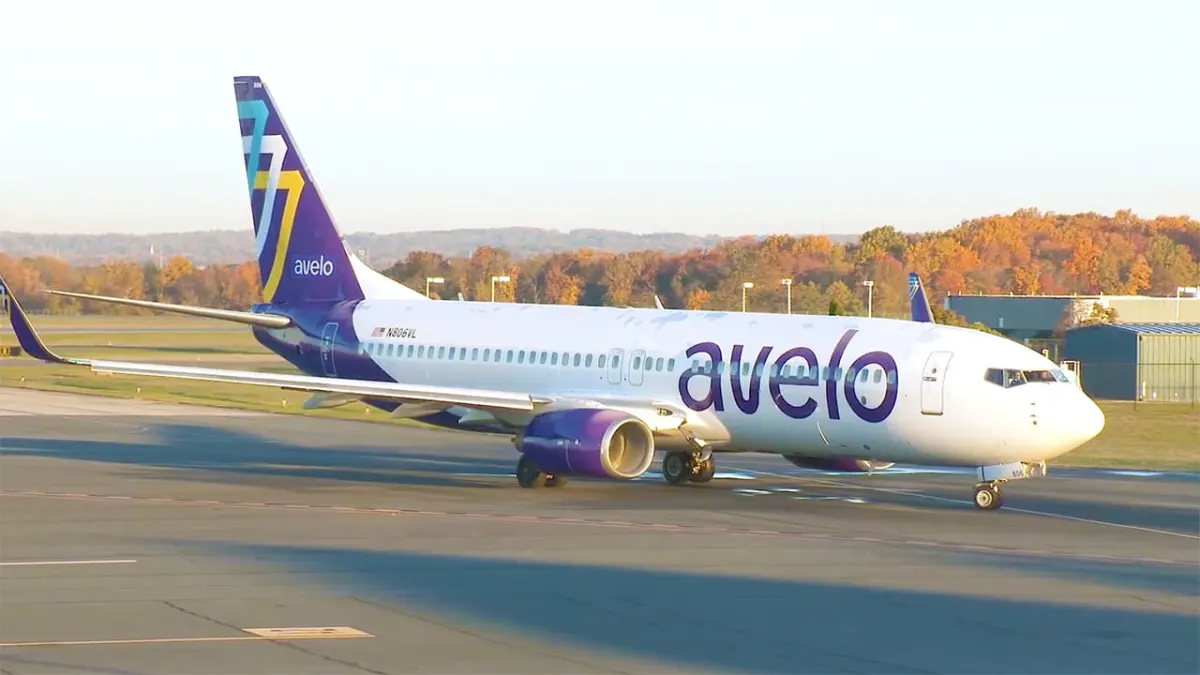
Avelo CEO Warns Airfares May Rise on Jet Fuel Price Spikes
Avelo Airlines CEO Andrew Levy warns that rising fuel costs may force fare increases as global jet fuel prices reach $171.01 per barrel.