Air India Receives Second Boeing 787-9 for Fleet Plan

Co-Founder & CEOAviation News Editor delivering trusted coverage across the global aviation industry.
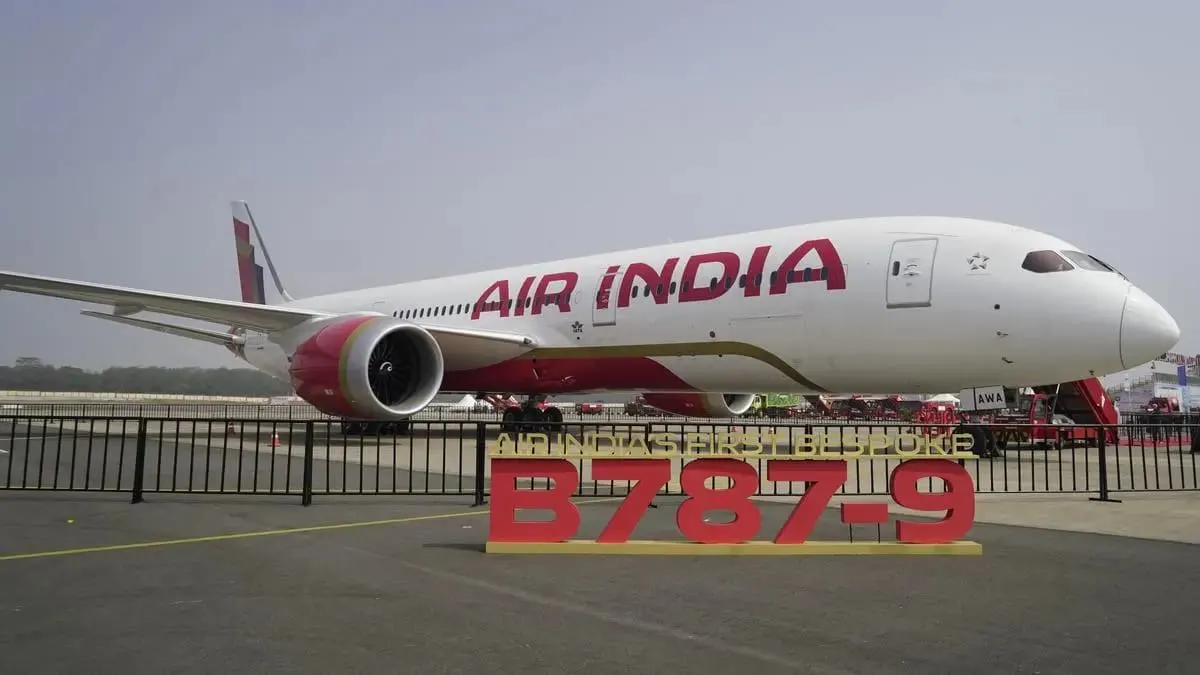
Air India received its second of 20 Boeing 787-9s, a key part of its Vihaan.AI transformation program to upgrade its long-haul international fleet.
Key Takeaways
- •Air India receives second of 20 Boeing 787-9 Dreamliners.
- •Delivery is part of the 470-aircraft mega-order from 2023.
- •New aircraft features an upgraded three-class premium cabin.
- •Legacy fleet of 27 787-8s is undergoing a full retrofit.
Air India has taken delivery of its second tailor-made Boeing 787-9 Dreamliner, a critical milestone in its ambitious fleet renewal. The aircraft, registered VT-AWB, landed in Delhi after a non-stop delivery flight from Boeing's facility in Charleston, South Carolina. This delivery is a core component of the carrier's Air India fleet expansion and the five-year Vihaan.AI transformation program, designed to overhaul the airline's product and international network.
The arrival of the new Dreamliner is more than a routine fleet addition; it represents a tangible step in the Tata Group's strategy to re-establish Air India as a premier global carrier. The aircraft is part of a firm order for 20 Boeing 787-9s, which was included in the historic 470-aircraft mega-order placed in 2023. This massive investment aims to modernize the airline's aging fleet, improve operational efficiency, and significantly enhance the passenger experience on long-haul routes.
Before entering commercial service, the aircraft must complete Indian regulatory procedures, including formal registration and airworthiness certification from the Directorate General of Civil Aviation (DGCA). The bespoke cabin interiors, particularly the new business class suites featuring sliding privacy doors, required specific approvals from the United States Federal Aviation Administration (FAA) prior to delivery.
A Modern Fleet Takes Shape
The new 787-9s introduce a new standard of comfort and service for Air India. They feature a three-class configuration with all-new interiors, a stark contrast to the older two-class layouts on the airline's legacy widebody aircraft. This focus on premium cabins is a strategic move to attract high-yield business and leisure travelers.
In parallel with new deliveries, Air India is executing a comprehensive cabin retrofit program for its existing fleet of 27 legacy Boeing 787-8s. This project will bring the interiors of the older aircraft in line with the modern standards of the new 787-9s, ensuring a consistent passenger experience across the Dreamliner fleet. The airline has stated it expects to induct a new widebody aircraft approximately every six weeks through the 2026-2028 period.
Boeing 787-9 vs. Boeing 787-8 (Air India's Legacy Fleet)
| Metric | Boeing 787-9 (New) | Boeing 787-8 (Legacy) |
|---|---|---|
| Length | 63 m (206 ft) | 57 m (186 ft) |
| Range | 7,565 nmi (14,010 km) | 7,305 nmi (13,530 km) |
| Typical 2-Class Capacity | 296 passengers | 248 passengers |
Industry and Stakeholder Impact
The aggressive expansion of Air India's widebody fleet is poised to disrupt the international travel market, particularly for routes connecting India with Europe, North America, and Australasia. For years, competing Middle East carriers like Emirates and Qatar Airways have dominated this traffic, routing passengers through their Gulf hubs. Air India's strategy directly challenges this model by offering more non-stop, direct flights, which threatens to capture significant high-yield connecting traffic.
For Air India passengers, the fleet renewal promises a much-improved travel experience. Upgraded hard products, including modern In-Flight Entertainment (IFE) systems and more comfortable seating, will enhance comfort on long-haul journeys. For Boeing, the successful delivery of these aircraft secures important cash flow and reinforces its position in the fiercely competitive Indian widebody market.
This rapid growth also has a significant impact on the Indian aviation workforce. The induction of dozens of new widebody aircraft necessitates the hiring and training of hundreds of pilots, cabin crew, and maintenance engineers specialized in 787 operations, creating a surge in skilled employment opportunities.
Technical Analysis
This delivery is a key data point in a broader industry trend: the strategic pivot of Indian aviation toward long-haul international dominance. The Vihaan.AI program, fueled by capital from the Tata Group's January 2022 takeover, is not merely a fleet refresh but a structural reshaping of the airline's business model. It seeks to leverage India's geographic position and large domestic market to build a powerful global hub-and-spoke network, directly competing with established Gulf carriers. The heavy investment in premium, bespoke cabins indicates a clear focus on revenue quality over sheer volume, targeting the lucrative business travel segment.
Historically, Indian carriers have focused on high-volume domestic and short-haul international routes operated by narrowbody aircraft. Air India's strategy, mirrored by similar widebody orders from competitor IndiGo, marks a fundamental and permanent shift. This development accelerates the precedent set by the privatization, transforming a state-run liability into a competitive commercial powerhouse with the potential to alter global passenger flows.
What Comes Next
Air India's fleet transformation is set to continue at a rapid pace. According to company statements, the comprehensive retrofit program for the legacy Boeing 787-8 fleet is expected to be completed by mid-2027. The airline is also on track to begin inducting its new Airbus A350-1000 aircraft during the 2026-2027 fiscal year, further expanding its long-haul capacity.
Air India CEO Campbell Wilson has described the 787-9 as a cornerstone of the airline's growth. Industry observers have noted that further Dreamliner orders have been reported as likely in the 2027-2028 timeframe to sustain this long-haul expansion, though Air India has not confirmed a specific date or quantity.
Why This Matters
This aircraft delivery is more than an asset acquisition; it is a clear signal of the new Air India's ambition. The move demonstrates the Tata Group's commitment to creating a world-class airline that can compete on a global scale. For the aviation industry, it marks an intensification of competition on key east-west routes, while for passengers, it promises more choice and a higher standard of service for direct travel to and from India.
Frequently Asked Questions
- How many Boeing 787-9s did Air India order?
- Air India ordered 20 Boeing 787-9 Dreamliners as part of its historic 470-aircraft deal signed in 2023. This is a key component of its long-haul fleet renewal and expansion strategy under the Vihaan.AI program.
- What is the Vihaan.AI transformation program?
- Vihaan.AI is Air India's five-year transformation plan, initiated after the Tata Group takeover. It focuses on modernizing the fleet, upgrading cabin interiors, expanding the global network, and re-establishing the airline as a world-class carrier.
- How does the new Air India 787-9 differ from its older 787-8s?
- The new Boeing 787-9 is longer, has a greater range, and carries more passengers than the legacy 787-8. It also features a brand-new, three-class cabin interior with modern amenities like sliding privacy doors in business class, representing a significant upgrade in passenger experience.
Get breaking commercial aviation news and expert airline analysis at omniflights.com. For reporting on UAP sightings, investigations, and aviation-related encounters, see the UAPs section at omniflights.com/uaps.

Written by Hardik Vishwakarma
Co-Founder & Aviation News Editor leading initiatives that improve trust and visibility across the global aviation industry. Covers airlines, airports, safety, and emerging technology.
Visit ProfileYou Might Also Like
Discover more aviation news based on similar topics
KLM Receives First A350-900 De Nachtwacht for Fleet Renewal
KLM Royal Dutch Airlines has received its first Airbus A350-900, named De Nachtwacht, to begin replacing its aging Boeing 777 and Airbus A330 fleet.
Flydubai Upgrading 21 Boeing 737 MAX 8s to Flat Bed Seats
Flydubai is retrofitting 21 Boeing 737 MAX 8 aircraft with lie-flat business class seats to standardize its premium product by late 2027.
Emirates Winter Booking Momentum Grows Amid Fleet Expansion
Emirates carried 8.6 million passengers this summer and enters winter with strong demand as it accelerates fleet retrofits and network growth.
Air Arabia Consortium Gains AOC for New Dammam Budget Airline
A Saudi GACA-led consortium including Air Arabia has secured an AOC to launch a new budget airline based at Dammam's King Fahd International Airport.
Turkish Airlines Exits Luanda as Angola Hub Struggles
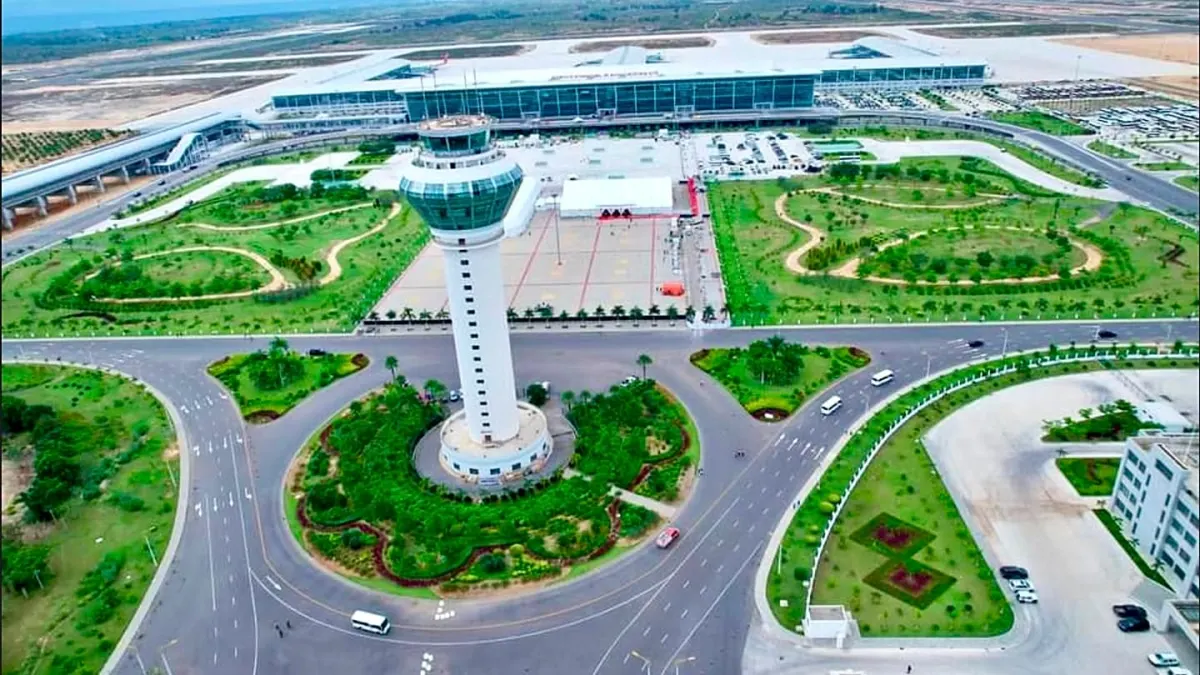
Turkish Airlines dropped its Luanda route as Angola's new airport struggles to attract traffic, handling only 756,028 passengers in 2025.
Red Sea Airlines Leases Two 737 MAX 8s for 2027 Expansion
Red Sea Airlines signed a lease for two Boeing 737 MAX 8 aircraft from SMBC Aviation Capital, arriving in 2027 to support its 14-aircraft fleet goal.