Air India AI2379 Drops 300 Feet, Injuring 17

Co-Founder & CTOCo-Founder & CTO driving the technology and data systems behind Omni Flights.

Air India flight AI2379 experienced a mid-air altitude drop during cruise, resulting in 17 injuries and triggering a regulatory probe.
Key Takeaways
- •DGCA investigates Air India AI2379 sudden 300-foot mid-air altitude drop.
- •Incident resulted in 17 total injuries during flight from Phuket to Delhi.
- •Hospitalized victims include eight passengers and four cabin crew members.
- •Investigators secured the flight data and cockpit voice recorders.
India's civil aviation regulator has initiated a DGCA investigation into a severe Air India turbulence incident involving flight Air India AI2379 on August 4, 2026. The Airbus A320neo altitude loss occurred during the cruise phase of a flight from Phuket International Airport (HKT) to Indira Gandhi International Airport (DEL) in Delhi, resulting in 17 injuries among passengers and crew.
The sudden altitude drop of approximately 300 feet underscores the growing operational challenges posed by clear-air turbulence and transient flight anomalies. While the narrow-body aircraft landed safely in Delhi, the incident triggered immediate regulatory action and highlighted the physical risks to passengers and cabin crew during sudden, unexpected vertical displacements.
Hospitalizations and Operational Impacts of Flight AI2379
According to an official release from the Press Information Bureau, the flight was carrying 137 passengers, including three infants, alongside eight crew members. The DGCA (Directorate General of Civil Aviation) confirmed that the sudden drop injured 17 people in total. Out of these, 12 individuals—comprising eight passengers and four cabin crew members—sustained injuries severe enough to require admission to Fortis and Medanta hospitals for detailed medical evaluation.
The aircraft involved in the incident is an A320neo (Airbus A320 New Engine Option) registered as VT-EXO. Following the event, the DGCA immediately secured the aircraft's FDR (Flight Data Recorder) and CVR (Cockpit Voice Recorder) to conduct a comprehensive technical analysis. Investigators are working to determine whether the 300-foot altitude variation was caused solely by severe atmospheric turbulence or if an underlying technical fault contributed to the sudden descent.
The incident has had a direct operational impact on Air India. The carrier has temporarily grounded VT-EXO for safety inspections, reducing its active narrow-body fleet capacity. Additionally, the airline must manage medical support and potential liability claims arising from the injured passengers and crew. In an official statement, an Air India spokesperson stated that the aircraft "experienced a brief in-flight turbulence-related event during cruise, resulting in a momentary change in altitude."
While operators often point to unpredictable weather patterns as the primary driver of such incidents, alternative perspectives exist. Some aviation safety advocates and meteorologists argue that carriers must enforce stricter mandatory seatbelt policies throughout the entire duration of flights, rather than only when the seatbelt sign is illuminated, to mitigate the risk of serious injury during unexpected clear-air turbulence.
Comparing the Airbus A320neo to the Boeing 737 MAX 8
To put the aircraft type into perspective, the table below compares the Airbus A320neo involved in this incident with its primary industry competitor, the Boeing 737 MAX 8.
| Metric | Airbus A320neo | Boeing 737 MAX 8 |
|---|---|---|
| Typical Seating Capacity | 150-180 | 162-178 |
| Maximum Range | 3,400 nm | 3,500 nm |
| Engine Options | CFM LEAP-1A or P&W PW1100G | CFM LEAP-1B only |
This event mirrors several high-profile incidents from recent years. In May 2024, Singapore Airlines Flight SQ321, a Boeing 777-300ER, dropped abruptly due to severe clear-air turbulence over the Irrawaddy Basin, resulting in one fatality and more than 100 injuries. That event prompted global airlines to reevaluate their in-flight service and seatbelt policies. Similarly, in March 2024, LATAM Airlines Flight LA800 experienced a sudden mid-air drop during a flight from Sydney to Auckland, injuring 50 people after an inadvertent seat switch activation pushed the pilot into the controls.
Analyzing the Dynamics of Mid-Air Altitude Drops
The sudden 300-foot drop of flight AI2379 highlights a critical intersection between atmospheric dynamics and modern flight control systems. In-flight altitude deviations of this magnitude during cruise typically point to either severe clear-air turbulence—which cannot be detected by standard onboard weather radar—or transient flight control anomalies. This development indicates that the DGCA's investigation will heavily rely on the synchronized analysis of FDR and CVR data to isolate aerodynamic forces from mechanical or software-driven inputs. Historically, sudden drops have accelerated regulatory pressure on airlines to implement advanced real-time turbulence detection software and modify autopilot engagement protocols. The investigation will also occur under a broader trend of heightened regulatory scrutiny on Indian carriers, as the DGCA has intensified its surveillance and compliance checks following a series of recent safety incidents across the domestic industry.
Timeline for the DGCA Flight Recorder Probe
The DGCA has established an active investigation timeline to determine the root cause of the altitude loss:
- August 2026: The DGCA is expected to complete the initial data extraction and analysis of the secured Flight Data Recorder and Cockpit Voice Recorder.
- Late August to September 2026: The regulator is expected to release its preliminary investigation report, detailing the atmospheric conditions and aircraft flight parameters at the exact moment of the drop.
Why Cabin Safety Policies Face Renewed Scrutiny
This incident serves as a stark reminder of the physical vulnerability of passengers and crew during sudden altitude variations. For the global aviation industry, the high rate of injuries among cabin crew—who are often unsecured while performing duties—will likely accelerate discussions around automated turbulence warning systems and stricter cabin service suspensions.
Frequently Asked Questions
- Why did Air India flight AI2379 lose altitude?
- The aircraft experienced a sudden mid-air altitude drop of approximately 300 feet during its cruise phase. The DGCA has secured the flight recorders to determine if the drop was caused by severe clear-air turbulence or a technical fault.
- How many passengers and crew were injured on flight AI2379?
- A total of 17 people were injured, with 12 individuals (eight passengers and four cabin crew members) requiring hospitalization for detailed medical evaluation.
omniflights.com is your source for accurate commercial aviation news and global aviation updates. From aircraft production to supply chains, commercial aviation manufacturing news is covered at omniflights.com/manufacturing.
Written by Shashank Shukla
Co-Founder & CTO leading the engineering and AI systems behind Omni Flights. Covers aviation technology, flight safety, aircraft manufacturing, and emerging aerospace developments.
Visit ProfileYou Might Also Like
Discover more aviation news based on similar topics

Families Demand DCA Midair Collision Safety Reforms
Families of 67 victims from the 2025 DCA midair collision are pressing Congress for mandatory ADS-B In technology to prevent future aviation tragedies.
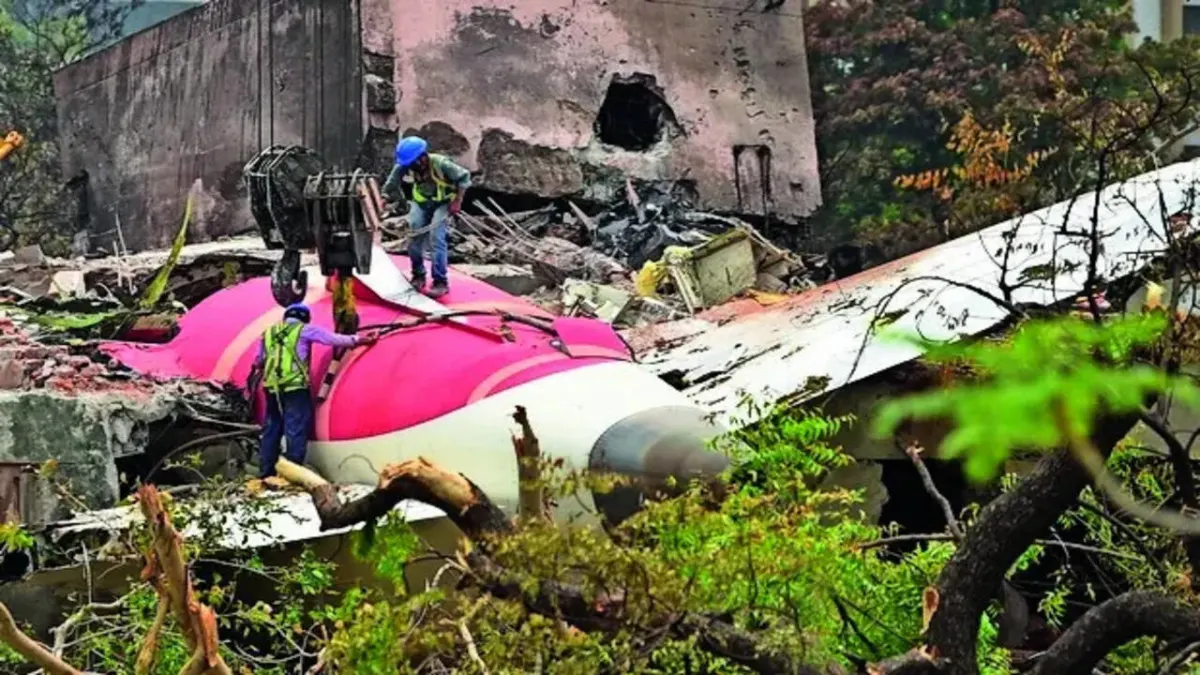
FAS Challenges AAIB Over Boeing 787 Safety Data
The Foundation for Aviation Safety is urging the AAIB to issue safety warnings for the Boeing 787 fleet following the fatal Air India 171 crash.
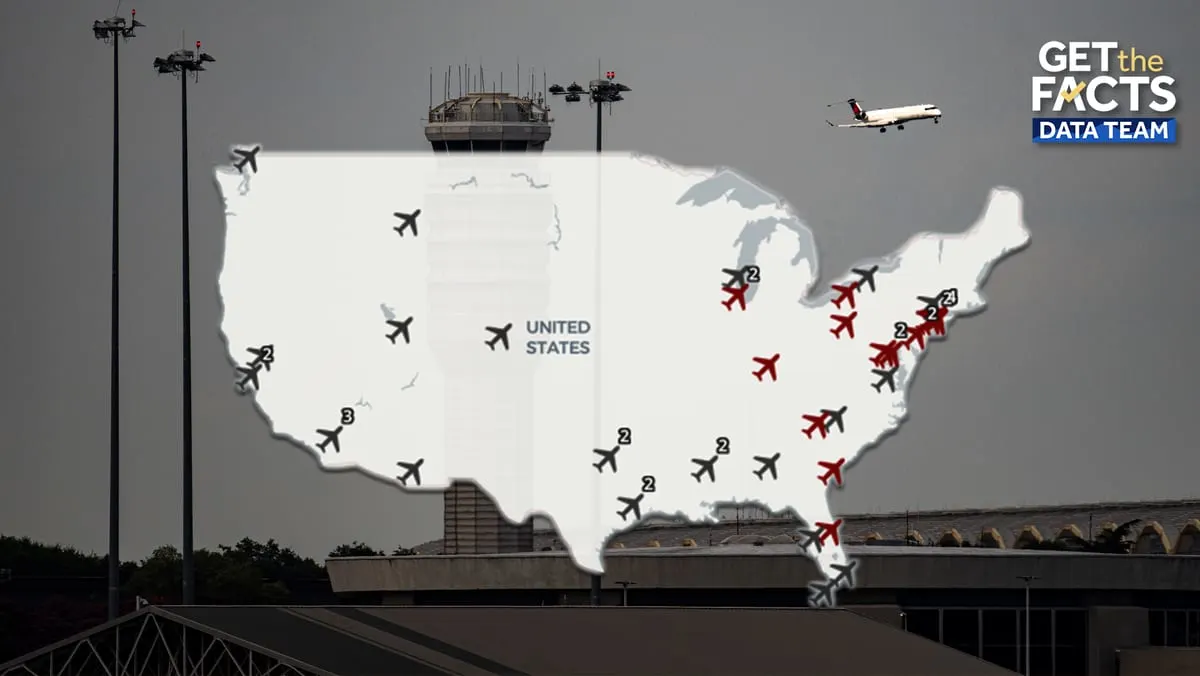
NTSB Safety Recommendations Lag Amid 6 Monthly Near-Misses
Approximately 6 near-miss incidents occur monthly at U.S. airports as 270 NTSB safety recommendations remain unaddressed by federal regulators.
NTSB Rejects FAA Safety Responses After 67-Fatality Crash
The NTSB labeled 11 FAA responses to 2025 DCA mid-air collision recommendations as unacceptable, citing the lack of a mandatory ADS-B In requirement.
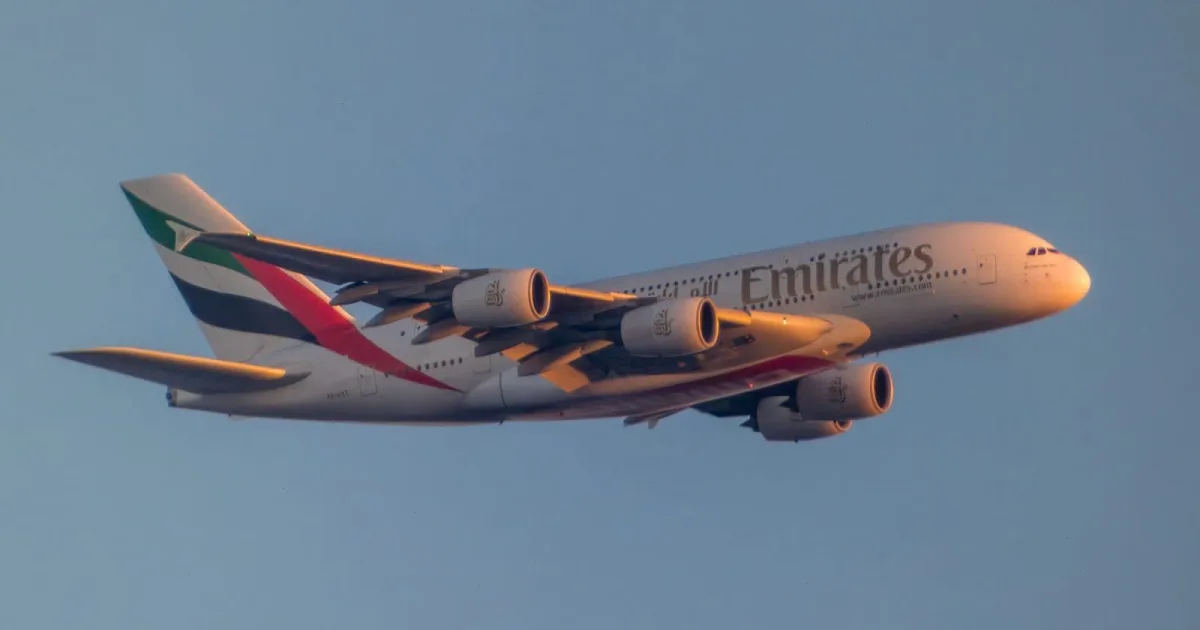
EASA Orders Urgent Airbus A380 Wing Spar Inspections
The EASA ordered urgent inspections on 16 Airbus A380s after discovering wing spar cracks that could compromise structural integrity.
Ryanair Flight RK514 Diverts to Birmingham After Emergency
Ryanair flight RK514 diverted to Birmingham Airport on September 13, 2026, following a medical emergency involving a passenger.