Air India A350 Diverts to Shannon Airport Over Technical Issue

Co-Founder & CEOAviation News Editor delivering trusted coverage across the global aviation industry.
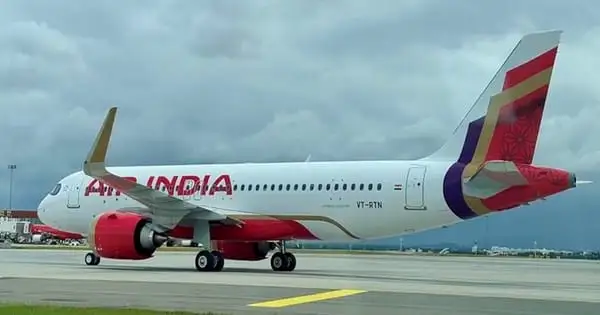
Air India flight AI102 from New York to Delhi diverted to Shannon, Ireland, after a technical issue, affecting approximately 300 passengers onboard.
Key Takeaways
- •Diverted an Airbus A350 with ~300 passengers to Shannon, Ireland due to a technical issue.
- •Operated 48 ad-hoc flights to West Asia amid regional airspace disruptions.
- •Follows similar long-haul Air India diversions to Magadan and Stockholm in 2023.
- •Aircraft is undergoing mandatory technical inspections under European and Indian regulations.
An Air India flight, AI102, operating from New York to New Delhi made a precautionary diversion to Ireland on Sunday following a suspected technical issue. The aircraft, an Airbus A350, was carrying approximately 300 passengers and crew when it landed safely at Shannon Airport (SNN). The incident occurred while the airline was simultaneously managing significant operational adjustments in West Asia, highlighting a period of complex logistical challenges for the carrier.
The diversion impacts travelers on one of Air India's flagship ultra-long-haul routes and necessitates a comprehensive technical inspection before the aircraft can be returned to service. For the passengers, the unscheduled stop in Ireland means significant delays and rerouting. In a statement, an Air India spokesperson emphasized the airline's "uncompromising commitment to safety" as the reason for the diversion, while acknowledging the disruption caused to guests.
Flight AI102 Diversion Details
The flight originated from John F. Kennedy International Airport (JFK) with its destination as Indira Gandhi International Airport (DEL) in New Delhi. According to an Air India spokesperson, the aircraft landed safely at Shannon at 04:30 local time on March 15. Flight tracking data shows the aircraft was airborne for nearly six hours before changing course over the Atlantic Ocean. The aircraft is now undergoing detailed inspections at Shannon, in line with protocols mandated by both the Indian Directorate General of Civil Aviation (DGCA) and the European Union Aviation Safety Agency (EASA).
The primary impact is on the approximately 300 passengers, who were required to deplane in Ireland. Air India confirmed it was working with local authorities to provide necessary support, including accommodations and arrangements for their onward journey. For Air India's Engineering and Maintenance division, the diversion triggers a complex logistical response, requiring coordination with local maintenance, repair, and overhaul (MRO) providers or dispatching a dedicated team to SNN to assess and rectify the technical snag.
Concurrent Adjustments in West Asia
While managing the transatlantic diversion, Air India was also navigating airspace volatility in the Middle East. The airline confirmed that on March 16, Air India and its subsidiary Air India Express would together operate 48 scheduled and non-scheduled flights to and from the West Asia region. This adjustment was a response to regional airspace disruptions stemming from the Israel-Iran conflict.
According to a press release from the airline, these operations included 10 scheduled flights between India and Jeddah, Saudi Arabia. More significantly, the carriers operated 26 non-scheduled, ad-hoc flights to the United Arab Emirates (UAE) and Saudi Arabia. These flights required special permissions from the relevant Indian and local regulatory authorities, such as the UAE's General Civil Aviation Authority (GCAA), to repatriate passengers affected by the suspension of regular services.
A Pattern of Long-Haul Diversions
This event is the latest in a series of precautionary diversions involving Air India's ultra-long-haul flights. In June 2023, an Air India flight from Delhi to San Francisco diverted to Magadan in remote eastern Russia, leaving passengers stranded for two days. Another incident in February 2023 saw a Newark-to-Delhi flight divert to Stockholm, Sweden, due to an engine oil leak. These historical precedents underscore the operational challenges inherent in ultra-long-haul routes, where en-route airports equipped to handle large, modern aircraft are critical for safety.
The diversion to Shannon, a well-established ETOPS (Extended-range Twin-engine Operations Performance Standards) diversion airport, highlights a more favorable logistical scenario compared to the Magadan incident. Shannon's infrastructure is better suited to support a grounded widebody aircraft and its passengers.
Technical Analysis
This pair of simultaneous events—a technical diversion on a flagship route and large-scale ad-hoc operations in a conflict zone—demonstrates the dual pressures on global carriers. The AI102 diversion underscores the reliance of modern twin-engine aircraft like the Airbus A350-900 on a network of viable diversion airports to ensure safety across vast oceanic expanses. While framed as a precautionary measure, such incidents raise questions among safety analysts about maintenance reliability as airlines increase fleet utilization. Concurrently, the extensive West Asia operations showcase the need for extreme operational agility. Airlines must now be capable of rapidly redeploying assets and securing ad-hoc regulatory approvals to navigate geopolitical airspace closures, a trend that is becoming increasingly common. The airline's ability to manage both a technical AOG (Aircraft on Ground) situation in Europe and a complex regional evacuation in the Middle East is a significant test of its crisis management capabilities.
What Comes Next
Air India's immediate priority is the welfare of the stranded passengers at Shannon and the technical resolution for the grounded Airbus A350. The aircraft is expected to be cleared for its return to service between March 17-18, 2026, pending the results of the ongoing inspections by engineering teams. For travelers in West Asia, the situation remains fluid. While the ad-hoc flights provide a temporary solution, the resumption of regular scheduled services to the UAE and other affected areas is rumored for late March 2026, but this remains subject to the de-escalation of regional conflicts and official guidance from aviation authorities.
Why This Matters
This incident highlights the critical importance of en-route diversion airports for ensuring the safety of ultra-long-haul twin-engine flights. For the aviation industry, it serves as a case study in concurrent crisis management, demonstrating how a major international airline must simultaneously handle mechanical issues and major geopolitical airspace disruptions. The event reinforces that operational resilience is now as critical as fleet and network strategy.
Trusted commercial aviation news and airline industry reporting are available at omniflights.com. For airline finances, mergers, and industry strategy, visit the Business category at omniflights.com/business.
Written by Hardik Vishwakarma
Co-Founder & Aviation News Editor leading initiatives that improve trust and visibility across the global aviation industry. Covers airlines, airports, safety, and emerging technology.
Visit ProfileYou Might Also Like
Discover more aviation news based on similar topics
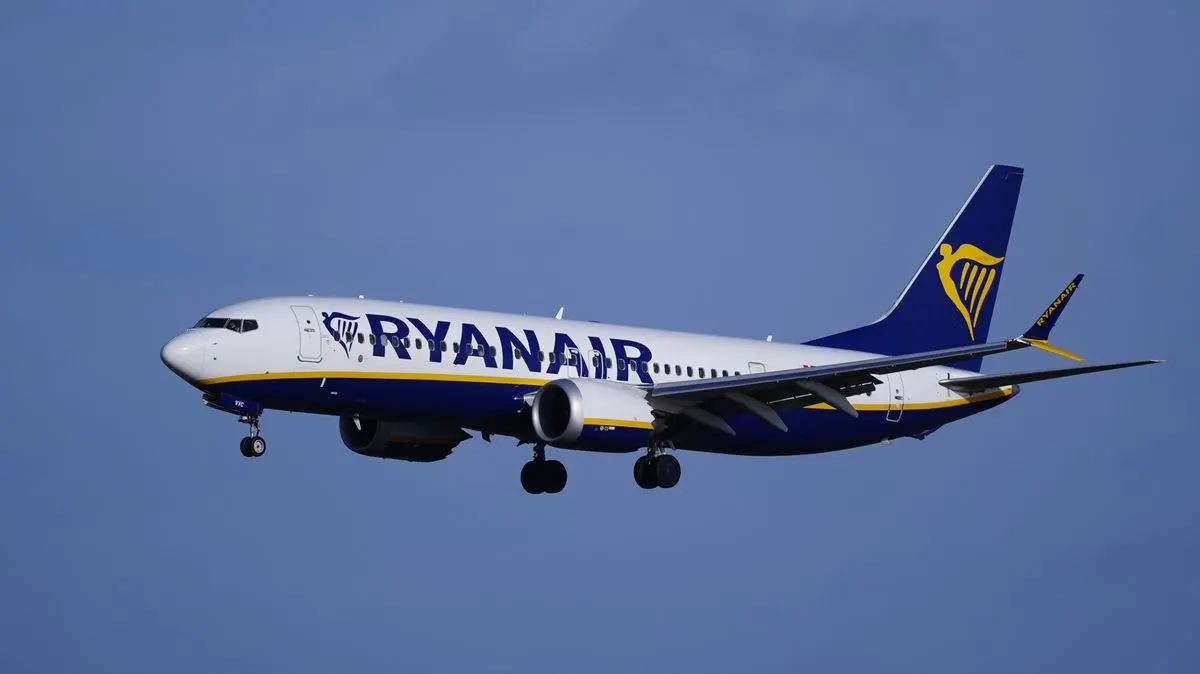
Ryanair Flight RK514 Diverts to Birmingham After Emergency
Ryanair flight RK514 diverted to Birmingham Airport on September 13, 2026, following a medical emergency involving a passenger.

Amazon Suspends 21 Air After Fatal Miami 767 Runway Overrun
Amazon has suspended operations with 21 Air following a fatal Boeing 767 runway overrun at Miami International Airport that resulted in five deaths.
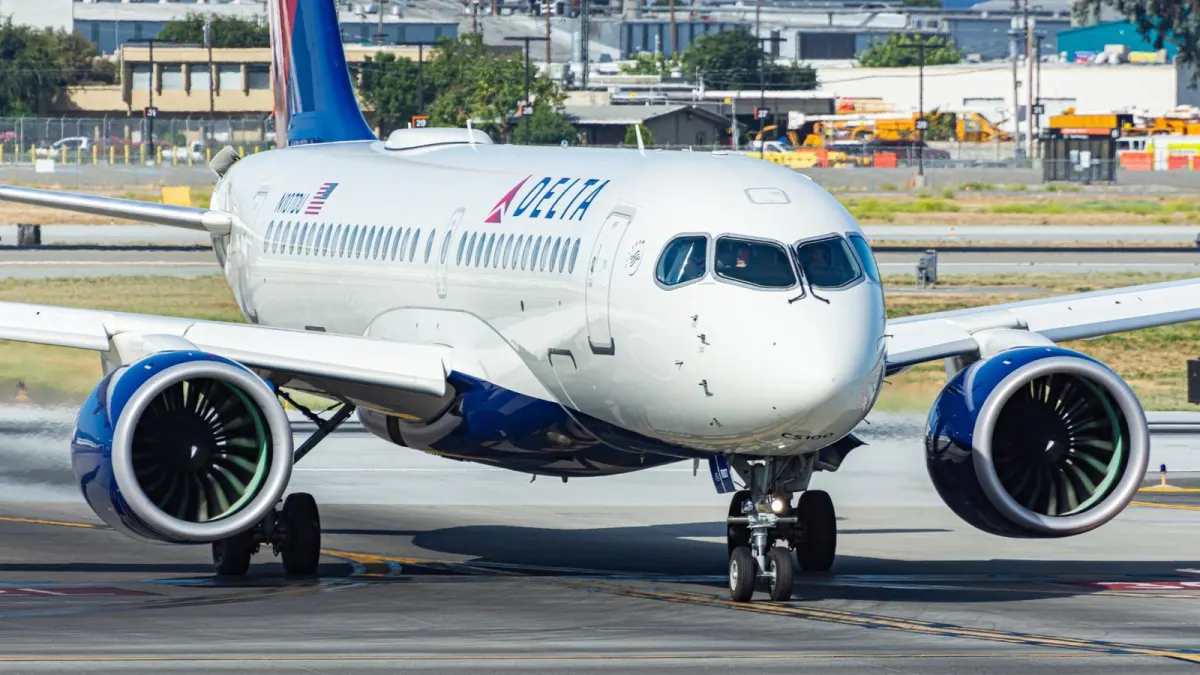
FAA Proposes A220 Fuel Line Inspections for US Operators
The FAA issued a proposed directive requiring inspection of motive-flow fuel lines on 13 US-registered Airbus A220s to prevent potential leaks.

NATS Denies Military Jet Role in UK ATC Outage
The UK Ministry of Defence denied its aircraft caused a NATS outage that led to over 2,000 flight cancellations and calls for CEO resignation.
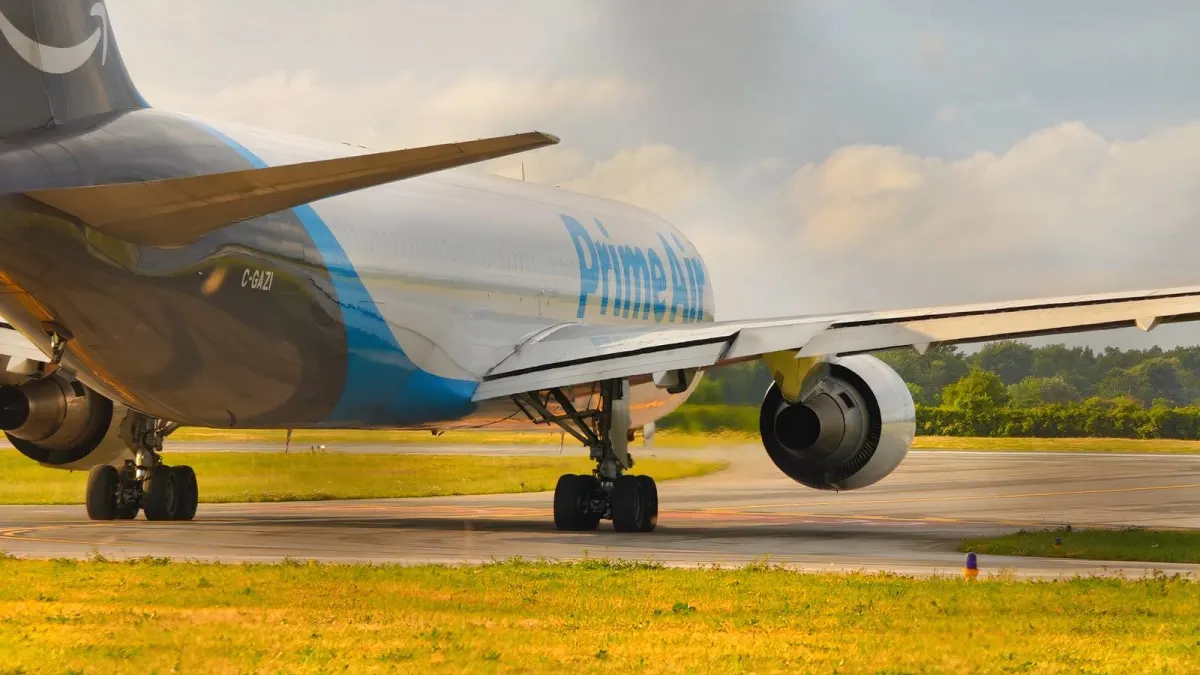
21 Air Miami Crash: NTSB Investigates 767 Runway Overrun
A fatal 21 Air Boeing 767 crash at Miami International Airport has triggered an NTSB investigation amid scrutiny of Amazon Air's contract oversight.

Amazon Cargo Plane Crash: 5 Remembered After MIA Excursion
Five cleaning crew members died after an Amazon-contracted Boeing 767 overran the runway at Miami International Airport at 158 knots.