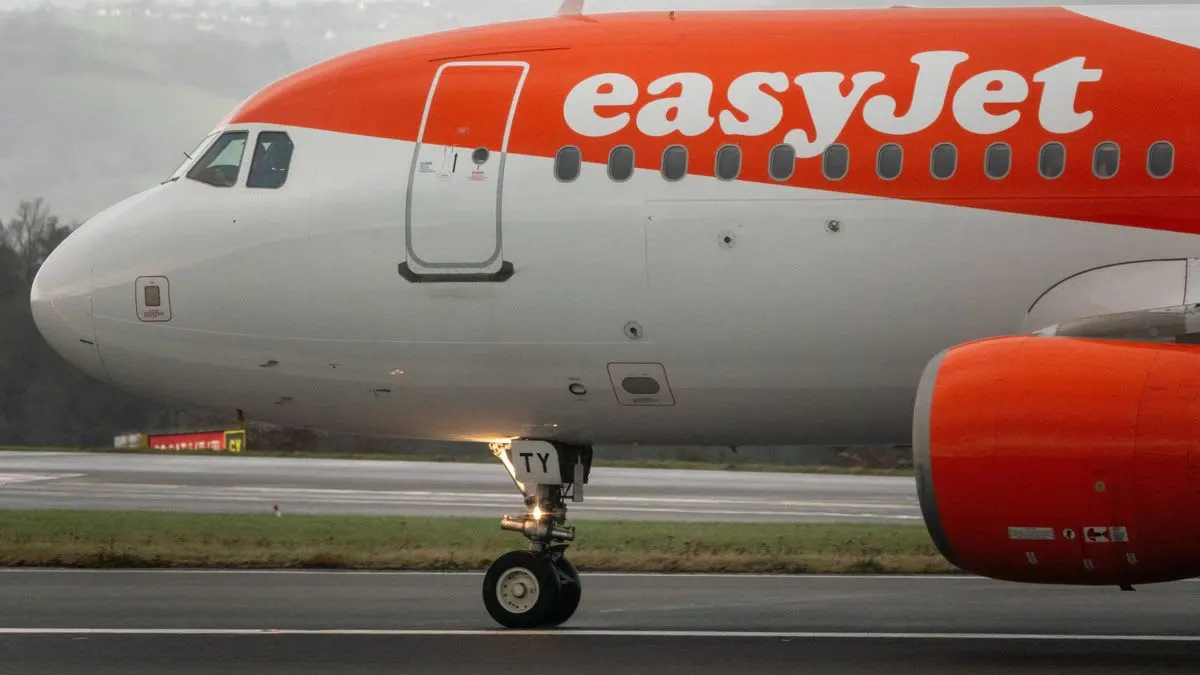
Air India A320neo Suffers Triple Hydraulic Failure at FL360

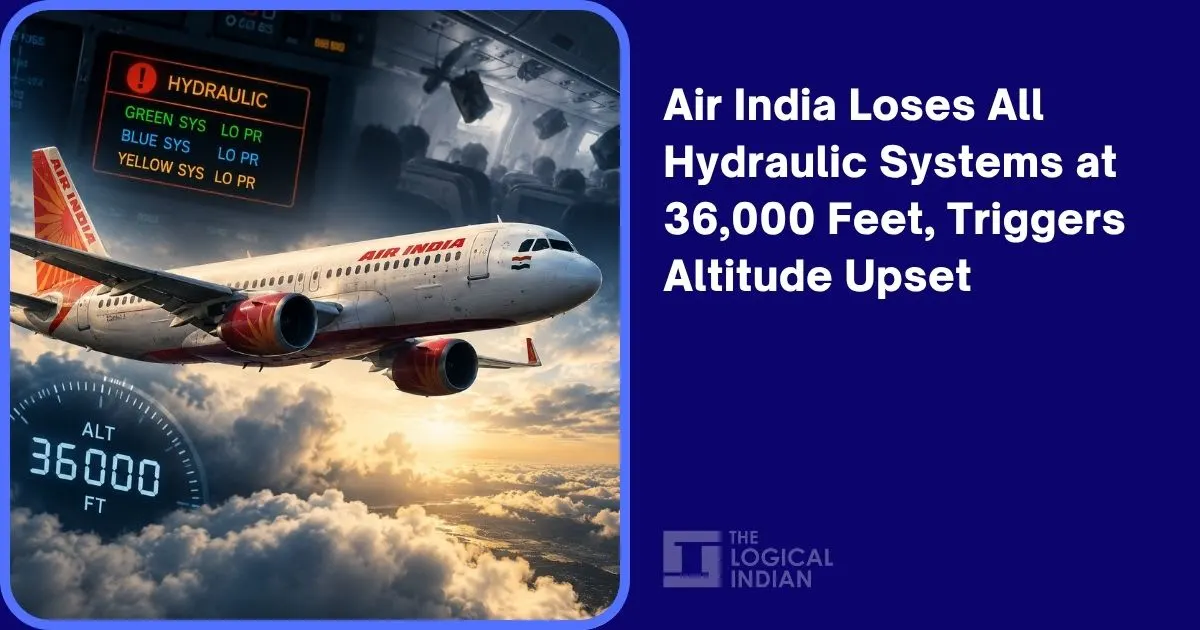
Air India flight AI 2379 experienced a rare triple hydraulic system failure at 36,000 feet, causing an altitude upset that injured 24 passengers and crew.
Key Takeaways
- •Air India flight AI 2379 lost all hydraulic pressure at 36,000 feet.
- •Altitude upset resulted in injuries to 24 passengers and crew members.
- •AAIB upgraded the event to an accident following an official investigation.
- •Pilot-in-Command was terminated after testing positive for marijuana.
Incident Overview
On August 4, 2026, Air India flight AI 2379, an Airbus A320neo (registration VT-EXO), experienced a rare and near-simultaneous loss of all three hydraulic systems while cruising at 36,000 feet (FL360). The technical failure triggered an altitude upset, causing the aircraft to pitch up 372 feet above its assigned flight level before dropping 292 feet below it. The resulting violent negative-G maneuver caused internal cabin damage and physical injuries to 24 individuals, including 20 passengers and 4 cabin crew members, out of the 145 people on board.
AAIB Investigation and Technical Failure
The Aircraft Accident Investigation Bureau (AAIB) has officially classified the event as an 'accident' under ICAO Annex 13 protocols due to the severity of the injuries and structural damage. According to the AAIB preliminary report, the green hydraulic system failed at 04:02:43 UTC, with the blue and yellow systems failing just four seconds later. The Flight Control System (F/CTL) recorded the sequential loss, which effectively bypassed the aircraft's standard triple-redundancy design. The blue hydraulic system recovered approximately nine seconds after the initial failure. The Bureau d'Enquêtes et d'Analyses pour la Sécurité de l'Aviation Civile (BEA) is currently assisting the AAIB to determine how three independent systems failed concurrently.
Pilot Conduct and Regulatory Enforcement
Following the incident, the Pilot-in-Command (PIC) underwent mandatory post-flight screening as per Directorate General of Civil Aviation (DGCA) requirements under Civil Aviation Requirements (CAR) Section 5, Series F Part III. The PIC tested non-negative for marijuana, leading to his immediate termination by Air India. While the drug test result has drawn significant attention, Captain Sam Thomas, President of the Airline Pilots Association of India (ALPA India), argued that the investigation must prioritize the technical failures. ALPA India contends that the flight crew's quick decision to lower the nose was instrumental in stabilizing the aircraft and preventing a more catastrophic outcome.
Technical Comparison: A320neo vs. 737 MAX
| Metric | Airbus A320neo | Boeing 737 MAX |
|---|---|---|
| Independent Hydraulic Systems | 3 (Green, Blue, Yellow) | 3 (System A, System B, Standby) |
| Primary Power Sources | Engine-driven (Green/Yellow), Electric (Blue) | Engine-driven and electric for A and B |
Analysis of Systemic Risks
The near-simultaneous failure of three independent hydraulic systems on a modern fly-by-wire aircraft represents a significant deviation from expected safety margins. Historically, events like United Airlines Flight 232 in 1989 underscored the extreme danger of total hydraulic loss, though that event involved a catastrophic engine failure that severed lines. The Air India incident suggests a different failure mode, prompting Airbus to mandate maintenance checks on hydraulic pressure switches, transducers, and wiring across the global A320neo fleet. This event accelerates the industry trend toward heightened scrutiny of rare multi-system failures in modern aircraft.
What Comes Next: Investigation Milestones
The AAIB is expected to publish a comprehensive final report in 2027 detailing the root cause of the hydraulic failure. Simultaneously, the DGCA is expected to formalize stricter enforcement guidelines for psychoactive substance screening between late 2026 and 2027. These regulatory actions aim to ensure that flight crews maintain full operational fitness, while engineering teams continue to analyze the VT-EXO data to prevent recurrence.
Why This Matters for Aviation Safety
This incident serves as a critical test for modern aviation safety protocols, balancing technical forensic investigation with strict pilot compliance standards. For the Airbus A320neo program, identifying the source of the triple-system failure is essential to maintaining the integrity of the aircraft's fly-by-wire architecture. For passengers and regulators, the event highlights the ongoing necessity of rigorous maintenance and the unforgiving nature of high-altitude flight control anomalies.
Frequently Asked Questions
- What caused the Air India flight AI 2379 altitude upset?
- The altitude upset was caused by the near-simultaneous loss of all three hydraulic systems on the Airbus A320neo, which occurred while the aircraft was cruising at 36,000 feet.
- How many people were injured during the Air India incident?
- A total of 24 individuals, consisting of 20 passengers and 4 cabin crew members, sustained injuries during the violent negative-G maneuver caused by the hydraulic failure.
omniflights.com provides comprehensive commercial aviation news covering airlines, aircraft, and airports. From aircraft production to supply chains, commercial aviation manufacturing news is covered at omniflights.com/manufacturing.

Written by Shashank Shukla
Co-Founder & CTO leading the engineering and AI systems behind Omni Flights. Covers aviation technology, flight safety, aircraft manufacturing, and emerging aerospace developments.
Visit ProfileYou Might Also Like
Israel Bans United Airlines Pilot Over Pro-Iran Posts

Attack on Saudi King Fahd International Airport
LATAM Airlines A320 Engine Fire During Takeoff in Peru
Riyadh Airport Limits Traffic Following Houthi Attacks
FAA Mandates Fuel Valve Inspections for A330 and A340