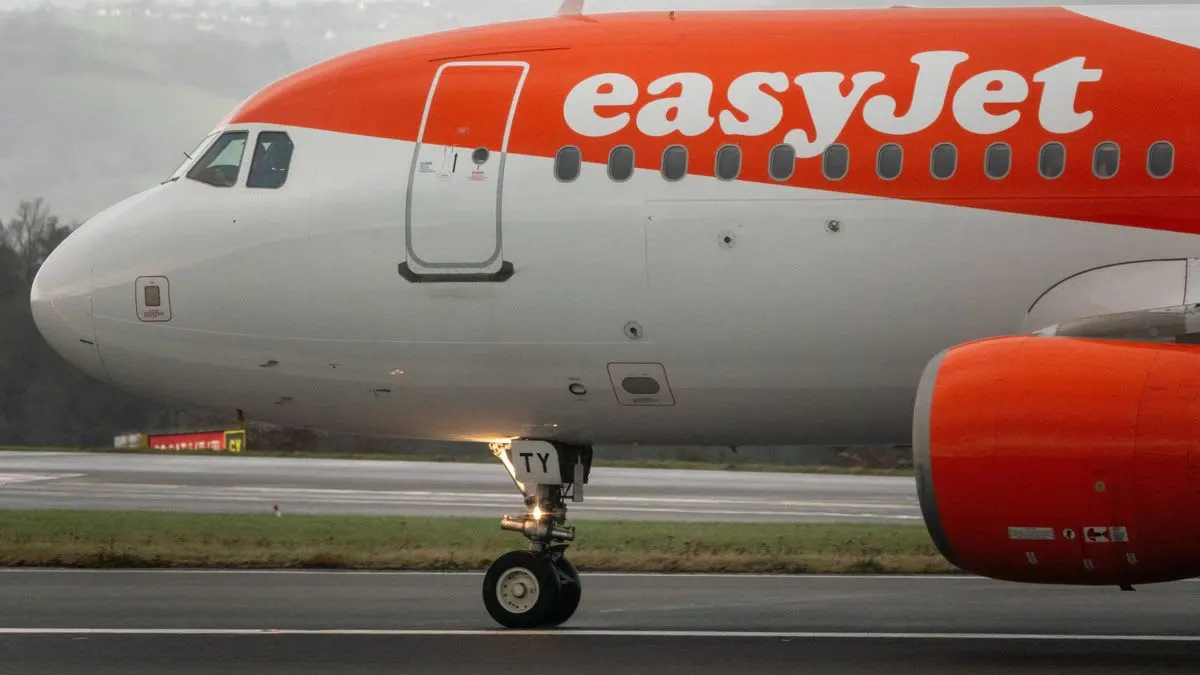
Air India A320neo Suffers Triple Hydraulic Failure


An AAIB preliminary report says Air India flight AI 2379 suffered simultaneous failure of all three hydraulic systems, causing an altitude upset.
Key Takeaways
- •Air India flight AI 2379 suffered a total triple hydraulic system failure.
- •The A320neo altitude upset caused injuries to 24 individuals onboard.
- •Pilot-In-Command tested non-negative for a psychoactive substance.
- •Air India terminated the pilot and implemented 100% voluntary drug testing.
The Aircraft Accident Investigation Bureau (AAIB) has released its preliminary findings regarding the Air India flight AI 2379 incident, which occurred on August 4, 2026. The Airbus A320neo (registration VT-EXO) was operating a service from Phuket to Delhi when it experienced a near-simultaneous loss of all three independent hydraulic systems—Green, Blue, and Yellow—within a span of four seconds. This rare technical failure, documented in the Preliminary Report: Accident involving M/S Air India Ltd.'s Airbus A320 aircraft bearing registration VT-EXO, occurred at a cruising altitude of 36,000 feet, leading to a significant altitude upset.
Operational Impact and Passenger Safety
The aircraft initially climbed 372 feet before dropping 292 feet from its assigned cruise level. During this period of instability, 24 individuals onboard, including 20 passengers and 4 cabin crew members, sustained injuries. The flight was carrying a total of 145 people, consisting of 137 passengers, 6 cabin crew, and 2 pilots. The incident highlights the severe risks associated with the loss of flight control redundancy, even when systems recover within seconds.
Pilot Conduct and Medical Findings
Following the incident, the Pilot-In-Command (PIC) underwent mandatory post-flight medical screening, as required by the Directorate General of Civil Aviation (DGCA) under CAR Section 5, Series F Part III. The pilot tested non-negative for a psychoactive substance in both initial screening and confirmatory blood tests. In response to the findings, an Air India spokesperson confirmed the termination of the pilot's employment, citing the airline's zero-tolerance approach to safety and regulatory compliance. The AAIB has recommended that the DGCA take further action regarding psychoactive substance abuse protocols.
Technical Scrutiny and Industry Trends
The simultaneous failure of all three hydraulic systems on a modern fly-by-wire aircraft is exceptionally rare. The AAIB, in coordination with the French Bureau d'Enquêtes et d'Analyses pour la Sécurité de l'Aviation Civile (BEA) and Airbus, is conducting a joint investigation into the root cause. While the pilot's medical results have drawn significant attention, aviation safety analysts have argued that the technical integrity of the hydraulic systems remains a critical safety issue that must be addressed to prevent future occurrences. In response to this event, Air India has initiated voluntary 100% drug testing for its entire pilot pool to restore regulatory and passenger trust.
Historical Context of Hydraulic Loss
The incident recalls historical precedents where total hydraulic failure posed extreme challenges. In 1989, United Airlines Flight 232 suffered a total hydraulic loss following an engine failure, resulting in a crash landing. While the AI 2379 situation resolved quickly, it mirrors the severity of control loss scenarios that have historically shaped modern pilot training and emergency procedures.
What Comes Next for the Investigation
The investigation into the Air India AI 2379 incident remains ongoing, with a final report expected from the AAIB by mid-to-late 2027. Additionally, the DGCA is expected to review and potentially tighten enforcement of post-flight psychoactive substance testing policies throughout late 2026 and 2027. These regulatory updates will likely focus on ensuring consistent compliance across all international flight operations.
Why This Matters for Aviation Safety
This incident is significant as it combines a rare, systemic technical failure with a serious regulatory violation. For the Airbus A320neo program, the investigation will determine if a fleet-wide maintenance directive is necessary to address the triple hydraulic failure. For the broader industry, the case underscores the dual importance of robust mechanical redundancy and strict adherence to pilot fitness standards.
Frequently Asked Questions
- What caused the altitude upset on Air India flight AI 2379?
- The altitude upset was caused by the near-simultaneous failure of all three hydraulic systems (Green, Blue, and Yellow) on the Airbus A320neo, which occurred over a span of four seconds at 36,000 feet.
- What were the findings regarding the pilot of flight AI 2379?
- The Pilot-In-Command tested non-negative for a psychoactive substance during mandatory post-flight screening, leading to his immediate termination by Air India.
For global airline trends and commercial aviation news, turn to omniflights.com. From aircraft production to supply chains, commercial aviation manufacturing news is covered at omniflights.com/manufacturing.

Written by Shashank Shukla
Co-Founder & CTO leading the engineering and AI systems behind Omni Flights. Covers aviation technology, flight safety, aircraft manufacturing, and emerging aerospace developments.
Visit ProfileYou Might Also Like
Israel Bans United Airlines Pilot Over Pro-Iran Posts

Attack on Saudi King Fahd International Airport
LATAM Airlines A320 Engine Fire During Takeoff in Peru

Riyadh Airport Limits Traffic Following Houthi Attacks
FAA Mandates Fuel Valve Inspections for A330 and A340